
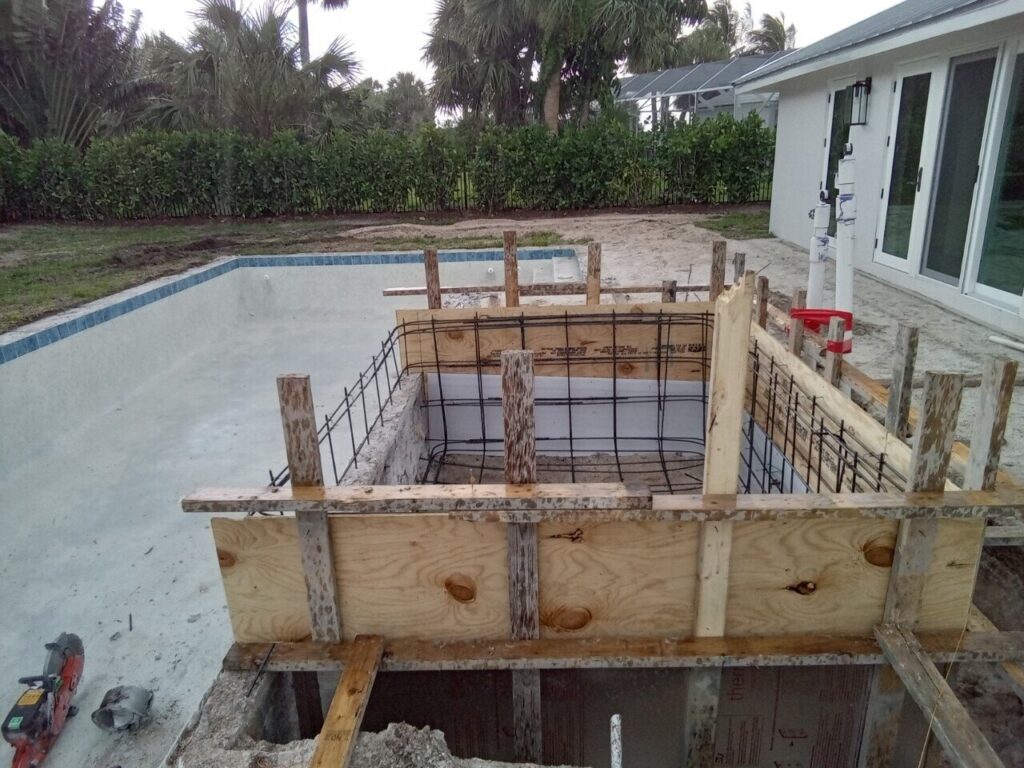
Building an inground pool takes 8 to 12 weeks on average from the start of excavation to the first swim. The total timeline, including design, permitting, construction, and finishing, can stretch to 3 to 6 months for custom gunite or concrete pools. Fiberglass pools are the fastest to install at 3 to 6 weeks, vinyl liner pools take 3 to 5 weeks of active construction, and concrete or gunite pools take 8 to 12 weeks or more. According to Angi, the national average cost of an inground pool is about $65,909, with most homeowners paying between $44,499 and $87,349. This guide walks homeowners in Jefferson, Georgia through every phase of pool construction, what causes delays, and how to get swimming as soon as possible.
How Long Does It Typically Take to Build an Inground Pool?
It typically takes 8 to 12 weeks to build an inground pool from the start of excavation to the final fill. According to Angi, an average-sized inground pool takes about 12 weeks to build. However, the total project timeline from your first design meeting to your first swim can range from 3 to 6 months once you factor in design, permitting, and contractor scheduling. Simpler pool designs with standard shapes finish faster. Complex custom builds with waterfalls, spas, outdoor kitchens, and detailed hardscaping can take 5 to 6 months or longer.
The type of pool material is the biggest factor in construction time. Fiberglass pools install the fastest because the shell arrives pre-manufactured and ready to set into the excavated hole. Vinyl liner pools are next because the walls are assembled on-site and the liner is stretched into place without curing time. Concrete and gunite pools take the longest because the shell must be formed, poured, and allowed to cure for approximately 28 to 30 days before the next phase can begin.
Homeowners in the Jefferson, Georgia area benefit from a mild climate that allows pool construction for most of the year, with fewer weather delays than Northern states. Starting the planning process in fall or winter means you can be swimming by early summer. Working with an experienced local builder like a custom pool company keeps the project on schedule from start to finish.
What Part of Building a Pool Takes the Longest?
The part of building a pool that takes the longest is permitting and curing. For concrete and gunite pools, the shell must cure for 28 to 30 days after it is poured before any finish work can begin. According to Angi, concrete pool walls need time to harden, and weather can impact the curing process. Permitting is the other major bottleneck. Obtaining the required permits from local authorities takes anywhere from 1 to 6 weeks depending on your municipality and the complexity of the project.
In Jackson County and the surrounding areas near Jefferson, Georgia, standard pool permits are typically issued within one to two weeks. But if the project includes accessory structures like a pool house, outdoor kitchen, or retaining walls, the permitting timeline can extend to four weeks or more. Your pool builder handles the permit paperwork, but the speed of approval depends on the local building department.
The design phase can also take longer than expected if there are multiple revisions. Finalizing the pool layout, depth, shape, features, and materials typically takes 1 to 4 weeks. Homeowners who come to the first meeting with a clear vision of what they want move through this phase faster.
How Soon Can You Swim in a New Pool?
You can swim in a new pool as soon as the water has been filled and the chemistry is properly balanced, which typically takes 24 to 48 hours after filling. For plaster and gunite pools, the startup process is more involved. Fresh plaster needs to cure in water for about 28 days, during which the water chemistry must be carefully monitored and adjusted daily. Most pool builders allow swimming within 48 hours of filling, but the plaster continues curing beneath the water for several weeks.
Fiberglass pools have the shortest fill-to-swim timeline because there is no plaster curing involved. Once the pool is filled and the chemicals are balanced (pH 7.2 to 7.8, chlorine 1 to 3 ppm), you can swim. Vinyl liner pools are similar. The liner is watertight from the moment it is installed, so the only wait is for chemical balancing.
After any new pool installation, a pool inspection confirms that all electrical, plumbing, safety barriers, and equipment meet local building codes before the pool is cleared for use.
What Is the Lifespan of an Inground Pool?
The lifespan of an inground pool depends on the material. Concrete and gunite pools last 50 years or more with proper maintenance. Fiberglass pools typically last 25 to 30 years. Vinyl liner pools have a structural lifespan of 20 to 30 years, but the liner itself needs replacement every 7 to 10 years at a cost of roughly $6,000 to $10,000 per replacement, according to River Pools, a national fiberglass pool manufacturer.
Concrete pools require resurfacing every 10 to 15 years, which costs $5,000 to $15,000 depending on the size and finish. Fiberglass pools rarely need resurfacing because the gel coat surface is factory-applied and highly durable. All pool types require ongoing maintenance, including chemical balancing, equipment upkeep, and seasonal opening and closing. Regular pool cleaning services and annual inspections are the best way to extend the life of any inground pool.
What Is the Best Time of Year to Build a Pool?
The best time of year to build a pool is fall or winter. Starting construction in the off-season means the pool is ready for the first warm days of spring and summer. According to Angi, off-season pool construction often comes with lower prices because contractor demand drops during cooler months. Many builders offer better scheduling availability and sometimes discounted rates between October and February.
In Jefferson, Georgia and the surrounding North Georgia area, the mild winter climate makes fall and winter construction practical. Ground rarely freezes, and excavation and concrete work can proceed through most of the cooler months with minimal weather delays. Starting in November or December means a realistic swim date of April or May. Waiting until spring to start means you may not be swimming until midsummer or later, especially if the builder’s schedule is already packed with other projects.
Is a Pool in the Backyard Worth It?
Yes, a pool in the backyard is worth it for most homeowners who plan to use it regularly and maintain it properly. According to the National Association of Realtors, a pool can increase a home’s value by 5% to 8%. Angi reports that inground pools add an average of $36,700 in home value. Beyond financial returns, a pool provides daily exercise, family entertainment, a gathering space for friends, and a private retreat that eliminates the need for public pool memberships or expensive vacations.
The Pool & Hot Tub Alliance (PHTA) reports there are approximately 10.7 million residential swimming pools in the United States, and demand continues to grow. According to one industry report, the global swimming pool construction market is projected to reach $275 billion by 2025. In warm-climate markets like North Georgia, pools are especially desirable because the swim season lasts from late April through early October.
Homeowners in the Athens, Braselton, and Jefferson area who invest in a quality pool build also invest in their lifestyle. The key is choosing a reputable builder and committing to consistent maintenance so the pool stays an asset rather than a burden.
How Much Does a 20×20 Inground Pool Cost?
A 20×20 inground pool (400 square feet) costs approximately $35,000 to $88,000 depending on the material and features. According to Angi, inground pools cost an average of $88 per square foot. A basic 400-square-foot vinyl liner pool starts at the lower end. A concrete or gunite pool with upgraded finishes, lighting, and a spa falls toward the higher end. NerdWallet reports that installation and materials for inground pools range from $25,000 at the lowest to more than $100,000 at the highest.
The cost varies significantly by region. Southern states like Georgia typically have lower labor costs than the Northeast or West Coast. However, site conditions, soil type, and access to the build site all affect the final number. Rocky terrain or limited equipment access in some North Georgia backyards can add excavation costs. Getting multiple quotes from experienced builders in the Jefferson area gives you the most accurate picture.
Can You Get an Inground Pool for $30,000?
Getting a full-size inground pool for $30,000 is very difficult in 2025. Rising material costs, higher labor rates, and increased demand have pushed the starting price for most inground pools above $40,000. According to Thursday Pools, a fiberglass pool manufacturer, fiberglass pools average between $30,000 and $85,000 as of 2024, with the lower end representing the smallest, most basic models. Vinyl liner pools can sometimes come in under $40,000 for a small, simple design with minimal features.
Homeowners with a $30,000 budget may want to consider a smaller plunge pool, a semi-inground pool, or a basic above-ground pool as alternatives. Alternatively, financing options like home equity loans or pool-specific financing can spread the cost of a larger pool over time. Sandals Luxury Pools works with financing partners to help families in Jefferson and the surrounding area make their pool dreams a reality within their budget.
What Is the Most Expensive Part of a Pool?
The most expensive part of a pool is the shell construction, which includes excavation, steel reinforcement, plumbing, electrical, and the concrete or gunite application. According to Angi, labor accounts for 25% to 50% of total pool construction costs, and the shell phase requires the most labor-intensive work. For concrete pools, the shell alone, including excavation, steel, plumbing, gunite application, and curing, can represent 40% to 50% of the total project cost.
The interior finish (plaster, pebble, or quartz) is the second most expensive component. Tile and coping add to the total, especially for custom mosaic designs or natural stone. Water features like natural waterfalls, fire and water features, and spillover spas add beauty and functionality but also add cost and construction time.
What Do I Wish I Knew Before Building a Pool?
The things most homeowners wish they knew before building a pool include the true total cost (not just the pool itself, but also fencing, landscaping, permits, and equipment), the ongoing maintenance commitment, how long the process actually takes, the importance of choosing an experienced builder, and the need for proper drainage planning. According to Creative Edge Pools, a pool construction company, the base price of the pool is just the starting point, and features, accessories, heating, fencing, and landscaping can add 30% to 50% to the initial estimate.
Other commonly overlooked factors include increased homeowner’s insurance premiums (typically $50 to $100 per year, according to Angi), annual maintenance costs of $1,200 to $4,000, and electricity costs of $300 to $1,300 per year for the pump, filter, and heater. Homeowners in the Gainesville, Hoschton, and Jefferson area should also factor in seasonal costs like a pool closing service in the fall and a seasonal opening service in the spring.
Does Having a Pool Raise Your Water Bill?
Yes, having a pool raises your water bill, primarily during the initial fill and when topping off to replace water lost to evaporation and splash-out. Filling a standard 15,000-gallon residential pool costs approximately $40 to $200 depending on local water rates. According to Angi, filling a pool costs between $40 and $2,000, depending on whether you use a garden hose, municipal water, or have water professionally delivered.
After the initial fill, evaporation is the biggest water expense. A typical pool in the North Georgia climate can lose 1 to 2 inches of water per week during summer heat. That adds up to hundreds of gallons per month. Using a pool cover when the pool is not in use can reduce evaporation by up to 95%, which saves both water and chemical costs. Backwashing sand and D.E. filters also consumes water regularly.
Do Inground Pools Use a Lot of Electricity?
Yes, inground pools use a noticeable amount of electricity, primarily for the pump, filter, heater, and lighting. According to Angi, pools use between $300 and $1,300 worth of electricity per year. The pump and filter are the biggest energy consumers because they run 8 to 12 hours per day during swim season. Variable-speed pumps can reduce energy costs by 50% to 70% compared to single-speed pumps, according to the U.S. Department of Energy.
Pool heaters add significantly to the energy bill if used regularly. Gas heaters cost more to operate but heat water faster. Heat pumps are more energy-efficient but work slower, especially in cooler weather. LED pool lights use a fraction of the energy of older incandescent fixtures. Homeowners in Jefferson, Georgia who want to keep operating costs low should invest in a variable-speed pump, LED lighting, and a pool cover from the start.
Can You Write Off a Swimming Pool on Your Taxes?
You may be able to write off a swimming pool on your taxes if it is prescribed by a doctor for medical purposes, such as physical therapy for a chronic condition. The IRS allows medical expense deductions for home improvements that are medically necessary, but only the amount that exceeds the increase in home value qualifies as a deductible medical expense. For most recreational pools, there is no tax deduction. However, the interest on a home equity loan or HELOC used to build a pool may be tax-deductible if the loan is secured by your primary residence and the pool qualifies as a home improvement.
Consult a tax professional for advice specific to your situation. This is a general overview and not tax guidance.
Will a Concrete Pool Crack Without Water?
Yes, a concrete pool can crack without water. When a concrete pool is drained, it loses the hydrostatic pressure of the water pushing down on the shell. If there is groundwater beneath the pool, the upward pressure can cause the shell to lift, shift, or crack. This is called hydrostatic uplift, and it is one of the most serious risks of draining a concrete pool. According to pool industry experts, hydrostatic relief plugs must be removed as soon as the pool is drained to allow groundwater pressure to equalize.
Temperature changes also affect an empty pool. The sun heats the exposed plaster, which can dry out and crack. In North Georgia, where summer temperatures regularly exceed 90 degrees, an empty concrete pool should not sit exposed for longer than necessary. If your pool needs to be drained for repair work, a professional builder handles the process safely to prevent structural damage.
Pool Construction Timeline by Type
| Construction Phase | Fiberglass | Vinyl Liner | Concrete / Gunite |
|---|---|---|---|
| Design & Planning | 1 to 2 weeks | 1 to 4 weeks | 2 to 4 weeks |
| Permitting | 1 to 3 weeks | 1 to 4 weeks | 2 to 6 weeks |
| Excavation | 1 to 3 days | 3 to 5 days | 3 to 7 days |
| Shell / Structure | 1 to 2 days (set in place) | 1 to 2 weeks | 1 to 2 weeks (pour) + 28 days (cure) |
| Plumbing & Electrical | 3 to 5 days | 1 to 2 weeks | 1 to 2 weeks |
| Coping, Tile & Finish | 3 to 5 days | 1 to 2 weeks | 2 to 3 weeks |
| Decking & Landscaping | 1 to 2 weeks | 1 to 3 weeks | 2 to 4 weeks |
| Total (Design to Swim) | 4 to 8 weeks | 6 to 12 weeks | 12 to 24 weeks |
Sources: Angi, Neave Group, Alan Smith Pools, Kline Bros. Landscaping, Royal Swimming Pools
How Deep Should a Family Pool Be?
A family pool should be 3 to 5 feet deep for most activities. The shallow end should start at 3 to 3.5 feet for children’s play, and the deep end should reach 5 to 6 feet for adult swimming and games. This gradual slope design accommodates all ages and skill levels safely. Pools designed for diving need a minimum of 8 feet in the deep end, according to ANSI standards, but most modern family pools skip the diving board in favor of shallower, safer designs.
According to Angi, adding a deep end only increases initial construction costs by $3,000 to $5,000 compared to a uniform shallow pool. But deeper pools cost more to heat and require more chemicals over their lifetime. For families with young children in the Dacula, Lawrenceville, and Jefferson area, a 3-to-5-foot sport bottom design is the most popular choice.
What Pool Shape Is the Cheapest?
The cheapest pool shape is a rectangle. Rectangular pools are the most affordable to build because they require the simplest excavation, forming, and finishing work. Straight lines mean less labor, less material waste, and faster construction. According to Angi, custom shapes, freeform curves, and elaborate designs increase both material and labor costs. A basic rectangular pool also maximizes swimming space for lap exercise and games.
For homeowners in Jefferson, Georgia who want the most pool for their budget, a rectangular design with a simple depth profile is the smartest starting point. Custom features like patios, outdoor kitchens, and water features can always be added later as the budget allows.
Frequently Asked Questions
How Long Does It Take to Build a Pool in Jefferson, Georgia?
Building a pool in Jefferson, Georgia takes 8 to 12 weeks for a standard concrete or gunite pool and as little as 4 to 6 weeks for a fiberglass pool. The mild North Georgia climate allows construction year-round with minimal weather delays. Permitting through Jackson County typically takes 1 to 2 weeks for a standard residential pool. Starting the process in fall or early winter puts most families on track to swim by spring.
Do I Need a Permit to Build a Pool in Jackson County, Georgia?
Yes, you need a permit to build a pool in Jackson County, Georgia. Building permits are required for all inground pool construction and cover structural, electrical, plumbing, and safety barrier requirements. Your pool builder handles the permit application and coordinates required inspections throughout the build process. Building without a permit can result in fines, forced removal, or complications when selling the home.
What Is the Best Pool Type for North Georgia’s Climate?
The best pool type for North Georgia’s climate is a concrete or gunite pool because of its durability, design flexibility, and long lifespan (50+ years). The moderate winters in the Jefferson and Athens area do not produce the deep freeze cycles that damage concrete pools in Northern states. Fiberglass is also an excellent choice for faster installation and lower maintenance. Both types perform well in Georgia’s climate when properly maintained.
How Much Does It Cost to Maintain a Pool Annually in Georgia?
Maintaining a pool annually in Georgia costs approximately $1,200 to $4,000 depending on the pool size, type, and level of professional service. This includes chemicals ($300 to $800 per year), electricity ($300 to $1,300 per year), equipment maintenance, and seasonal opening and closing services. Hiring a professional for weekly maintenance typically costs $100 to $250 per month. DIY maintenance reduces costs but requires consistent time and attention.
Does a Pool Increase Home Value in the Athens, Georgia Area?
Yes, a pool increases home value in the Athens, Georgia area. According to the National Association of Realtors, pools add 5% to 8% to home value in warm-climate markets. Angi reports that inground pools add an average of $36,700 in resale value. In North Georgia’s competitive real estate market, a well-maintained pool with quality landscaping is a strong selling point, especially for families looking for move-in-ready outdoor living spaces.
What Month Should You Open Your Pool in Jefferson, Georgia?
You should open your pool in Jefferson, Georgia in late March or early April, when daytime temperatures consistently reach the mid-70s. Opening early prevents algae from getting a head start during warm spring weather and gives you time to balance the water chemistry before peak swim season. A professional seasonal opening service includes removing the cover, cleaning debris, starting the equipment, and balancing all chemical levels.
How Often Should You Put Water in Your Inground Pool?
You should top off your inground pool with fresh water whenever the level drops below the middle of the skimmer opening, which happens about once a week during the hot North Georgia summer. Evaporation, splash-out, and backwashing all reduce the water level. Using a pool cover when the pool is not in use reduces evaporation by up to 95% and cuts down on the frequency of refilling.
Final Thoughts
Building a pool is one of the most exciting home improvements a family can make, and knowing the timeline helps set the right expectations. For most inground pools in the Jefferson, Georgia area, plan for 8 to 12 weeks from excavation to swimming, with additional time for design, permitting, and landscaping. Starting the process in the off-season, choosing a reputable builder, and keeping the design straightforward are the best ways to stay on schedule and on budget.
If you are ready to start planning your backyard pool, Sandals Luxury Pools has been building custom pools in Jefferson and the surrounding North Georgia communities for over a decade. From custom pool design to hardscaping, water features, and ongoing maintenance, their team handles every step. Contact them today to schedule a consultation and take the first step toward your own backyard oasis.
