
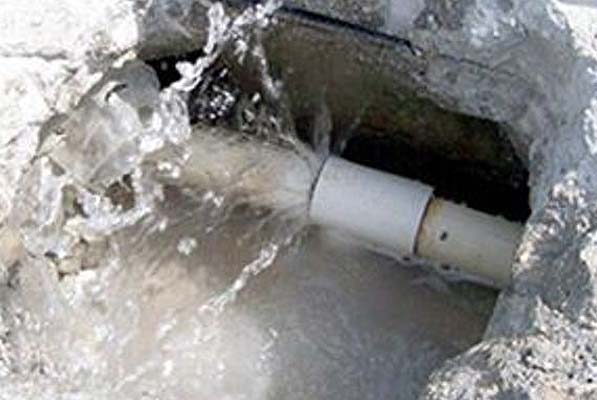
Underground pool leaks are a serious problem that can waste thousands of gallons of water, damage your property, and cause expensive structural repairs if left unchecked. According to Home Water Works, a pinhole-sized leak in a pool plumbing system under 40 pounds of pressure can lose approximately 970 gallons of water in a single day. That adds up to nearly 360,000 gallons per year from one tiny crack you cannot even see. The good news is that most underground pool leaks can be found and fixed without tearing up your entire yard. This guide covers how to detect pool leaks, where they are most likely to occur, and when to call a professional for help.
How to Detect Underground Pool Leaks
Detecting underground pool leaks starts with recognizing the warning signs, then using a series of proven tests to confirm and pinpoint the problem. Most leaks do not announce themselves loudly. They build slowly, costing you money in water and chemicals for weeks or months before you realize what is happening.
The first and most important warning sign is water loss. According to Liberty Home Guard’s pool maintenance research, losing more than two inches of water per week, or about a quarter inch per day, is a likely sign of a pool leak rather than normal evaporation. Wet, soggy spots in your yard that have no connection to recent rain are another major red flag, especially in yards around Jefferson and Gainesville where clay-heavy Georgia soil holds water in unusual ways when underground pipes leak into the ground.
Other warning signs include algae that keeps coming back too soon after chemical treatments, tiles that are cracking or falling away from the pool shell, an autofill system that runs constantly, or a pH that refuses to stay balanced no matter how much you adjust it. Any one of these signs is worth investigating. More than one is a near-certain signal that a leak is active somewhere in your system.
What Is the Bucket Test for Pool Leaks?
The bucket test is the most reliable first step to determine if your pool is leaking or simply losing water to evaporation. To perform the bucket test, fill a five-gallon bucket with pool water and place it on the second step of your pool. Mark the water level inside the bucket and mark the pool’s water level on the pool wall. Turn off the autofill and any water features. Wait 24 hours. If the pool loses significantly more water than the bucket, you have a leak. If both drop by the same amount, you are losing water to evaporation, not a structural problem.
Each quarter inch of difference between the bucket and pool levels represents roughly 2 to 3 gallons of water loss per 100 square feet of pool surface area, according to pool maintenance research from Larry’s Pool. This simple test costs nothing and gives you a clear, data-driven answer before spending anything on professional detection services.
Can I Detect a Pool Leak Myself?
Yes, you can detect many pool leaks yourself using basic tests like the bucket test and dye testing. Dye testing involves placing a few drops of dark food coloring or specialized pool dye near a suspected crack, fitting, or skimmer while the water is still. If the dye gets pulled into a specific spot rather than floating randomly, that spot is actively drawing water out, which confirms a leak at that location.
You can also perform a pump test. Run the pool with the pump on for 24 hours and mark the water level. Then turn the pump off and mark again after another 24 hours. If the pool leaks faster with the pump running, the problem is on the pressure side of your plumbing. If it leaks faster with the pump off, the problem is on the suction side. This simple test helps narrow the search before calling a professional.
However, underground pipe leaks are much harder to locate without professional equipment. If your bucket test confirms a leak but visible inspection and dye testing do not reveal the source, the problem is almost certainly underground. At that point, calling a professional with sonic detection tools or a pressure testing rig is the smart next step.
Where Is the Most Common Place for a Pool Leak?
The most common place for a pool leak is the plumbing system, including skimmers, return jets, fittings, and underground pipe connections. Pool industry data from WifiTalents confirms that 90 percent of pool leaks occur in the plumbing, not the pool structure itself. That is encouraging because plumbing leaks are usually easier and less costly to repair than structural cracks in the pool shell.
The skimmer is the single most frequent source. Skimmers sit where the pool wall meets the skimmer body, and the joint between the plastic skimmer and the concrete or plaster shell cracks over time. In pools around Braselton and Hoschton, Georgia soil movement and temperature swings between seasons put constant stress on these joints. A slow half-inch-per-day loss often points directly to the skimmer as the culprit, according to pool repair data from Aquaman Leak Detection.
Return jets, main drain seals, and light fittings are other common leak points. Pool lights are surrounded by conduit that runs underground, and if the seal around the light housing fails, water can travel down the conduit and out of the pool continuously. Underground pipe joints, especially those under the pool deck, are also high-risk areas because concrete movement stresses the connectors that hold PVC pipes together.
Why Is My Pool Losing 2 Inches of Water a Day?
If your pool is losing 2 inches of water a day, you almost certainly have a significant active leak rather than simple evaporation. Normal pool evaporation averages about an eighth of an inch per day. A loss of 2 inches in 24 hours points to a major breach somewhere in the plumbing, the pool shell, or around a fitting. According to In The Swim, one inch of pool water can equal 500 gallons of water loss depending on pool size. Losing 2 inches means your pool could be bleeding 1,000 gallons or more every day.
A loss this dramatic usually means the pool is leaking at or near the current water level. Track exactly where the water level stops dropping. If it stabilizes at the skimmer mouth level, the skimmer is the source. If it stops at the bottom of the return jets, those fittings are failing. If the water level keeps dropping below all fittings and features, the problem is likely in the main drain or underground plumbing below the floor of the pool. This is the point where a professional pool inspection is not optional. It is essential.
How to Find a Leak in Underground Pool Plumbing
Finding a leak in underground pool plumbing requires professional-grade equipment because the pipes are buried under concrete, deck material, or soil. There are three primary methods professionals use: pressure testing, electronic sonic detection, and thermal imaging.
How Do Plumbers Find Underground Water Leaks?
Plumbers and pool leak specialists find underground water leaks by pressurizing individual pipe sections and monitoring for pressure drops. A pressure testing rig is connected to isolated sections of underground plumbing. Digital gauges measure pressure changes as small as 0.1 PSI over 15-minute intervals, according to leak detection research from Swimmer Living. A drop in pressure in a sealed line confirms a leak in that specific section, narrowing the repair area before any digging begins.
Electronic sonic detection is equally powerful. Professional hydrophones and sonic listening devices pick up the sound of water escaping from pipes underground. Specialists can place these tools on the surface of the pool deck and literally hear where the water is exiting below the concrete. According to LeakTronics, one of the leading manufacturers of pool leak detection equipment, the majority of leaks are found within three feet of the pool shell. That means most underground leaks do not require digging up the entire yard.
Thermal imaging cameras are a third tool. They detect temperature differences where leaked water creates cool spots in the soil or concrete. This method works best during early morning or evening when temperature contrasts are strongest. Thermal imaging can locate leaks without any excavation at all, making it one of the least invasive options for pool owners in neighborhoods like Braselton Farms and Jefferson Walk who want to protect their landscaping and decking.
Is There Something You Can Put in a Pool to Find a Leak?
Yes, pool dye or dark food coloring can be used in a pool to help find a leak. The dye is released slowly near suspected areas like cracks, fittings, return jets, the skimmer, and around the main drain. When the dye moves toward a specific spot rather than floating freely, it confirms water is being drawn in at that location. Pool leak detection dye is available at most pool supply stores and is harmless to pool water chemistry. It is best to perform dye testing with the pump off so the water is still. In moving water, the dye disperses too quickly to be useful.
Electronic dye injection systems are the professional version of this method. Specialists inject dye directly into plumbing sections and monitor where it surfaces, pinpointing exact breach points in underground lines. This is especially useful for pools around Gainesville and Commerce with complex plumbing layouts that have multiple return lines and spa connections.
How Serious Is a Pool Leak?
A pool leak is very serious and should never be ignored. According to research from Home Water Works, it is estimated that one pool in every twenty has an active leak. A small, undetected leak does not stay small. It erodes soil, undermines the pool deck, soaks surrounding landscaping, and can eventually cause the pool shell to shift or crack. In North Georgia’s clay-heavy soil, underground water movement can destabilize the ground under and around a pool far faster than it would in sandier soil found in coastal regions.
The cost of ignoring a leak grows fast. Structural damage from a long-running underground leak can push repair bills to $10,000 or more in resurfacing and excavation costs, according to pool industry data. Catching a plumbing leak early, before it damages the pool structure or surrounding yard, typically means a repair in the hundreds rather than thousands of dollars. Early detection is the key difference between a manageable fix and a major renovation.
Can a Pool Leak Cause a Sinkhole?
Yes, a pool leak can cause a sinkhole in extreme cases, especially in areas with certain soil compositions. A long-running underground leak saturates the soil below and around the pool, washing away fine particles and gradually creating voids in the ground. In Georgia, where Jackson County properties often have clay and mixed soil, water movement underground can cause significant settling. Visible signs of this include pool deck cracking, tiles shifting, and uneven settling of the pool shell. These are the late-stage warning signs that an underground leak has been active for a very long time. Any pool owner in Jefferson or Hoschton who sees cracking across a concrete deck near the pool should treat it as an urgent situation and schedule a professional evaluation immediately.
What Happens If You Don’t Fix a Pool Leak?
If you do not fix a pool leak, the consequences get worse and more costly over time. The pool loses water continuously, forcing your autofill to run constantly, which drives up your water bill. Your pump and filter work harder because the water level drops, pulling in air and straining the motor. Chemical imbalances worsen because fresh fill water dilutes your treatment constantly, making it nearly impossible to keep pH, alkalinity, and chlorine in proper range. Structural damage builds underground where you cannot see it until the pool deck cracks, tiles fall, or the pool shell itself shifts.
According to leak detection research from Leak Science, the cost of repairing a leak grows the longer it goes unaddressed. An early-stage plumbing leak that costs a few hundred dollars to fix can turn into a structural repair costing thousands if the underground water movement continues for a full season. Getting a professional pool repair done quickly is the single best way to protect the long-term value of your pool investment.
Do Pool Leak Sealers Work?
Pool leak sealers work for very minor, surface-level leaks and hairline cracks in plaster, but they do not fix underground plumbing leaks. Liquid sealers are added to pool water and circulate through the system, settling into small cracks and fissures. They can slow minor surface seepage in concrete or plaster pools. However, they do nothing for cracked PVC pipes buried under the deck, failing skimmer seals, or deteriorated fittings on return jets. They also do not address the source of the leak, only its symptoms.
If a sealer temporarily stops visible water loss but the pool continues to lose water weeks later, the underlying problem has not been fixed. Using a sealer should be seen as a short-term measure while you wait for a professional inspection, not as a final repair solution. For pools in Jefferson, Braselton, and the surrounding Jackson County area, a proper diagnosis from an experienced pool team is the only way to know exactly what needs to be fixed and what does not.
Can You Fix a Pool Leak Without Draining?
Yes, you can fix many pool leaks without draining the pool. Underwater epoxy putty and vinyl patch kits are effective for cracks in the pool shell, around fittings, and on vinyl liners while the pool is still full. Dye testing, electronic detection, and even most plumbing repairs can be completed without a full drain. Pool professionals use specialized waterproof materials and underwater repair techniques that cure and hold even when submerged.
In some cases, a partial drain is needed to reach a crack or repair a fitting that sits at the waterline. A full drain is rarely required unless the pool shell has extensive cracking that needs resurfacing. Keeping the pool filled also protects the shell from hydrostatic pressure from the surrounding water table, which can crack or lift a fully drained concrete pool if the ground is saturated. A professional team will always advise whether draining is needed before starting any repair.
Comparison Table: Underground Pool Leak Detection Methods
| Detection Method | Best Used For | DIY or Pro | Excavation Required | Accuracy |
|---|---|---|---|---|
| Bucket Test | Confirming a leak exists | DIY | No | Good (confirms or rules out leak) |
| Dye / Ink Test | Locating visible crack or fitting leaks | DIY | No | Moderate (depends on visibility) |
| Pressure Testing | Underground plumbing lines | Pro | Minimal | Very High |
| Electronic Sonic Detection | Buried pipe leaks under deck | Pro | No (until repair) | Very High |
| Thermal Imaging | Wide area underground leak location | Pro | No | High |
Sources: Swimmer Living, LeakTronics, In The Swim, HT Pool Solutions, Larry’s Pool
How to Find a Leak in Underground Pool Plumbing Under Concrete
Finding a leak in underground pool plumbing under concrete starts with the pump test and pressure testing to confirm which line is leaking. Once the leaking line is identified, sonic detection tools can pinpoint the exact location underground. A professional team then makes a small, targeted cut in the concrete deck over the leak, typically no more than a three-by-three-foot opening, repairs the broken pipe joint, and patches the concrete.
The idea that fixing an underground pool plumbing leak means ripping up the entire deck is a myth. According to In The Swim’s pool repair guidance, most underground plumbing leaks are repaired through a small, targeted access point rather than full excavation. In rare cases where an entire pipe run is too deteriorated to patch, the old pipe is abandoned in place and a new line is run alongside it. This is still far less disruptive than homeowners typically fear.
Pool owners in the Jefferson and Gainesville area who have concrete or pavers around their pool can take comfort in knowing that experienced teams work hard to minimize the footprint of any excavation. The goal is always to fix the leak with the least disruption to your backyard. Scheduling a professional check through pool cleaning services before a problem grows is the easiest way to avoid any major deck work at all.
What Tool Would You Use to Find a Water Leak Under Concrete?
The best tools to find a water leak under concrete are electronic listening devices (hydrophones), pressure testing equipment, and thermal imaging cameras. Hydrophones amplify the sound of water escaping from underground pipes, even through several inches of concrete. Pressure testing identifies which specific pipe section is leaking by monitoring PSI drops in isolated lines. Thermal cameras show where the leaked water has cooled the soil beneath the concrete, mapping the leak path without any drilling.
Professional-grade sonic detectors like the SubSurface LD-12 can detect leaks up to six feet underground with high accuracy, according to Swimmer Living’s research on pool leak detection technology. These are the same tools used by professional pool teams serving Jackson County and the surrounding North Georgia communities. They make pinpoint diagnosis possible without turning a simple repair into a major excavation project.
What Is the Average Lifespan of a Pool, and How Do Leaks Affect It?
The average lifespan of a pool depends on its material and how well it is maintained. Concrete pools can last 50 years or more with proper care. Fiberglass pools typically last 25 to 30 years before major resurfacing is needed. Vinyl liner pools have the shortest liner lifespan, at 8 to 20 years, before the liner itself needs replacement.
Undetected leaks shorten every type of pool’s lifespan significantly. Underground water movement undermines the concrete shell, accelerates plaster deterioration, weakens bond beams, and corrodes metal fittings. A pool that suffers from recurring undetected leaks over a 5 to 10 year period can sustain damage that would otherwise take 20 or 30 years to develop through normal wear. Staying on top of leak detection and repair is one of the single most important things a pool owner can do to protect the long-term life of their investment.
Annual or semi-annual professional pool inspections are the best way to catch leaks before they cause lasting damage. For pool owners in Hoschton, Winder, and the Braselton area, scheduling a seasonal opening service each spring is also an opportunity to have a professional eye check the entire system before the first swim of the year.
Does Homeowners Insurance Cover Pool Resurfacing from Leak Damage?
Homeowners insurance generally does not cover pool resurfacing caused by a slow, ongoing leak, because insurers classify this as a maintenance issue rather than a sudden, accidental event. Standard home insurance policies cover sudden damage, like a tree falling on your pool or an explosion rupturing a pipe. Gradual water damage from an undetected leak is typically excluded. Some pool owners carry a separate equipment breakdown policy or a pool-specific rider that covers certain repair scenarios, but this varies widely by insurer and policy.
The practical implication is clear. The sooner a leak is detected and repaired, the less damage it causes, and the less you have to pay out of pocket. Addressing a leak when it is still a simple plumbing repair is almost always cheaper than waiting until the damage qualifies as a structural or resurfacing problem. A professional pool inspection gives you documented evidence of your pool’s condition, which can also be helpful if you do need to file a claim for a sudden or unexpected event.
Frequently Asked Questions
How Do I Figure Out Where My Inground Pool Is Leaking in Jefferson, Georgia?
To figure out where your inground pool is leaking in Jefferson, start with the bucket test to confirm you have a leak and not just evaporation. Then perform a dye test near your skimmer, return jets, main drain, and any visible cracks while the pump is off. If dye testing does not reveal the source, run a pump test to determine whether the leak is on the pressure or suction side of your plumbing. If the leak is still not found, contact a professional pool team in the Jefferson or Jackson County area for electronic sonic detection and pressure testing on your underground lines.
Can I Fix a Pool Leak Without Draining in Braselton?
Yes, many pool leaks can be fixed without draining the pool in Braselton. Underwater epoxy, pool putty, and vinyl patch kits all work while the pool is full. Most skimmer seal repairs and fitting replacements can also be completed without a full drain. A partial drain may be needed for waterline repairs, but full draining is rarely required. Your pool professional will advise you on the minimal drain level needed before starting any repair.
How Serious Is a Pool Leak in Hoschton or Gainesville, Georgia?
A pool leak in Hoschton or Gainesville is very serious and should be fixed as quickly as possible. North Georgia’s clay soils hold and redirect underground water, which can accelerate soil erosion and deck settling around the pool. A small leak left unchecked for a full season can undermine your pool deck, cause tile loss, and create conditions for more expensive structural repairs. The sooner the leak is found and fixed, the less total damage occurs and the lower the repair cost.
What Is the Most Common Pool Leak Location in Jackson County?
The most common pool leak location in Jackson County is the skimmer, particularly at the joint where the skimmer body meets the pool wall. This joint is stressed by Georgia soil movement, temperature changes between seasons, and the natural settling of an aging pool. Return jet fittings and underground plumbing joints are the next most common locations. According to pool industry data, 90 percent of pool leaks occur in the plumbing rather than the shell of the pool itself.
How Long Does It Take to Fix an Underground Pool Leak in Jefferson?
Most underground pool plumbing leaks in Jefferson take one to three days to detect and repair. Detection using sonic tools and pressure testing typically takes a few hours. Once the exact location is confirmed, the repair usually involves a small, targeted opening in the deck, a PVC pipe joint repair, and a concrete patch. More complex repairs involving multiple leaking lines or significant structural damage can take longer. Scheduling a repair quickly after detection prevents the leak from worsening and keeps the total repair time as short as possible.
How Much Water Does a Pool Leak Waste Per Day in North Georgia?
A pool leak in North Georgia can waste anywhere from a few hundred to nearly 1,000 gallons of water per day depending on its size and location. According to Home Water Works, a pinhole-sized plumbing leak under 40 pounds of pressure wastes approximately 970 gallons per day. Even a slow leak that drops the pool by a quarter inch daily wastes hundreds of gallons. Over a summer season, this adds up to tens of thousands of gallons of wasted water and a significantly higher water bill. Fixing the leak as soon as it is detected is the best way to stop the waste.
Should I Use a Pool Leak Sealer Before Calling a Professional?
A pool leak sealer can be used as a short-term measure for very minor surface seepage while you wait for a professional inspection, but it should not replace a proper diagnosis and repair. Sealers do not fix broken underground pipes, failed skimmer seals, or cracked fittings. If the pool continues losing water after using a sealer, the underlying leak is still active and will only grow worse. Contact a professional pool repair team in the Jefferson or Braselton area to identify the real source and fix it correctly the first time.
Final Thoughts
Underground pool leaks are one of the most damaging and most underestimated problems a pool owner can face. They waste thousands of gallons of water, drive up monthly costs, throw off water chemistry, and silently erode the soil and structure around your pool. The key is catching them early. The bucket test costs nothing. Dye testing costs almost nothing. And scheduling a professional inspection before a slow drip becomes a structural failure is always the smartest and most affordable choice.
If your pool is losing water faster than it should, do not wait. The team at Sandals Luxury Pools serves Jefferson, Braselton, Hoschton, Gainesville, Commerce, and the surrounding North Georgia communities with professional leak detection, pool repair, and full inspection services. Call us today or visit our pool repair page to schedule a consultation. The sooner the leak is found, the faster you are back in the water and the less you spend getting there.
