
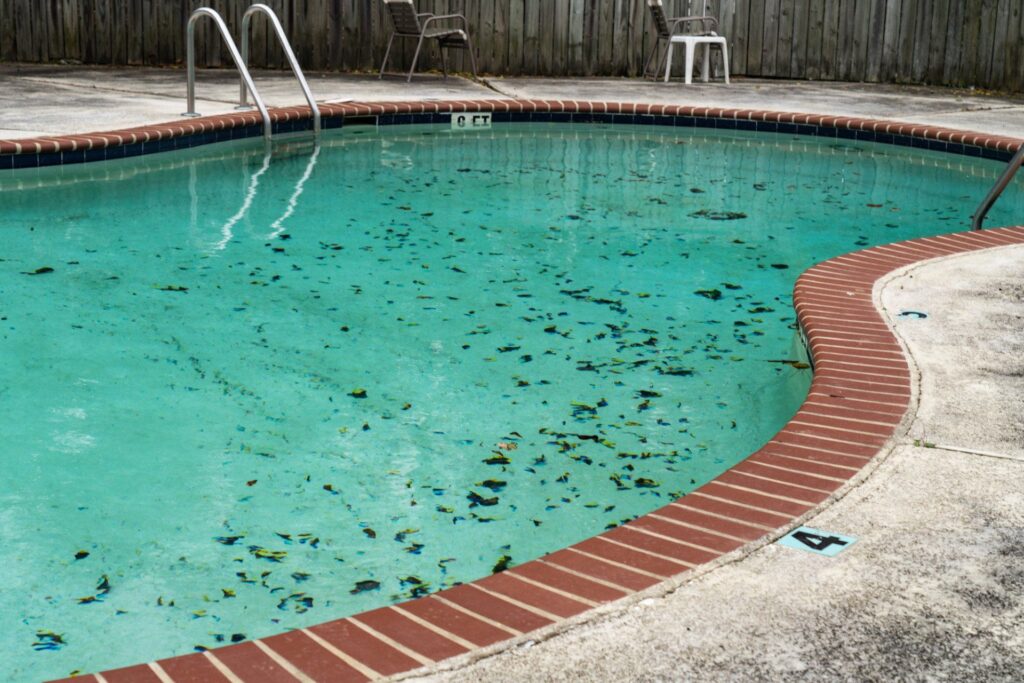
You can prevent pool stains on plaster walls by maintaining balanced water chemistry, brushing the pool regularly, removing debris quickly, using a sequestering agent to lock metals in solution, and keeping chlorine levels consistent without overexposure to any one area. Pool plaster is a semi-porous, cement-based surface that naturally attracts minerals and organic material from the water. When the chemistry gets out of balance, those minerals fall out of solution and stain the surface. According to the Centers for Disease Control and Prevention, pool water should maintain a pH between 7.2 and 7.8 and a free chlorine level of at least 1 ppm. Keeping those numbers steady is the foundation of stain prevention. Pool owners in Jefferson, Georgia, where heavy rainfall brings metals and organic debris into the water regularly, face stain challenges throughout the swim season. This guide covers every type of pool stain, what causes it, and the specific steps you can take to prevent it from appearing on your plaster walls.
What Causes Stains on Pool Plaster?
Stains on pool plaster are caused by metals, minerals, organic material, and chemical imbalances in the water. When these substances fall out of solution or settle on the surface, they leave visible discoloration that brushing alone cannot remove.
The three main categories of pool stains are metal stains, organic stains, and mineral scale. Metal stains come from dissolved iron, copper, and manganese in the water. Organic stains come from leaves, berries, insects, algae, and other plant debris. Mineral scale comes from calcium and other dissolved solids that harden on the surface when the water is oversaturated. According to Clorox Pool and Spa, scale formation is caused by imbalanced water, particularly water with high total hardness, high pH, and high total alkalinity.
The most common sources of metals in pool water include well water, corroded copper plumbing, pool heaters with copper heat exchangers, and copper-based algaecides. According to In The Swim pool resources, when water chemistry is out of balance, metals and calcium can fall out of solution and attach to the plaster surface, creating stains that are difficult or impossible to remove without draining and acid washing the pool.
Rain is another major contributor to pool stains in Jefferson, Georgia. According to the National Weather Service, North Georgia receives 50 to 55 inches of rain per year, with measurable rain on about 120 days. Every rainstorm can wash soil, fertilizer, iron, and organic material into the pool, introducing stain-causing contaminants. Pool owners who schedule regular pool cleaning services keep these contaminants under control before they have a chance to stain the plaster.
How Do You Get Stains Out of Pool Plaster Without Draining?
You can get stains out of pool plaster without draining by using targeted chemical treatments based on the type of stain. The key is identifying the stain first and then applying the right product.
For metal stains (rust, brown, green, or blue-green spots), use an ascorbic acid treatment. Place a vitamin C tablet directly on the stain. If it lightens within 30 seconds, the stain is metal-based. Treat the pool with a full dose of ascorbic acid stain remover followed by a sequestering agent to lock the metals back into solution and prevent restaining.
For organic stains (green, brown, or yellow blotches from leaves, berries, or algae), superchlorinate the pool. According to Pool Magazine, shocking the pool with a heavy dose of chlorine is the most effective way to bleach out organic stains. You can also sprinkle granular calcium hypochlorite directly onto a stain on the pool floor, let it sit for a few hours, and brush. This works like bleach on a localized area.
For calcium scale (white, gray, or tan crusty deposits), lower the pH slightly toward the acidic end of the acceptable range and add a scale removal product. Brushing the scaled areas with a pumice stone daily for 5 to 7 days can also remove buildup according to Clorox Pool and Spa.
For stubborn stains that cover a large area, an in-pool acid treatment without draining may be possible. According to In The Swim, applying a weak solution of Acid Magic from a watering can directly onto the stained plaster while the water level is lowered just below the affected area can remove scale and mineral staining. Always follow product directions carefully and never use household cleaning products in a pool.
What Does Plaster Mottling Look Like?
Plaster mottling looks like blotchy, uneven patches of lighter and darker shading on the pool surface. It often appears as cloudy gray or dark spots on white plaster, or as lighter streaks and blotches on colored plaster. The pattern is random and does not follow the shape of stains caused by debris or metal.
According to SGM, a pool finish manufacturer, mottling is a natural phenomenon that occurs in all pool plaster to some extent. It is affected by environmental factors like sunlight, heat, wind, water content, water temperature, and humidity during application. According to Gardner Outdoor and Pool Remodeling, mottling is an aesthetic issue that has no impact on the strength and durability of the pool finish. Each pool finish and deck will have some level of mottling.
Mottling is more visible in darker plaster and quartz finishes. On white plaster, it usually appears as very slight shade differences that blend in over the first year. On dark plaster, the lighter streaks and blotches are more noticeable and generally do not blend in over time. According to research cited by the National Plasterers Council, mottling is caused by variations in the plaster mix, troweling technique, and curing conditions rather than by water chemistry.
Is Pool Plaster Mottling Normal?
Yes, pool plaster mottling is normal. According to the National Plasterers Council and multiple pool finish manufacturers, mottling is a natural characteristic of all cement-based products and is not considered a defect. Nearly every plaster pool will have some degree of mottling. It is simply a result of the hand-applied nature of pool plaster and the unpredictable environmental conditions during application.
According to Pool Troopers, a national pool service company, gray mottling discoloration can be made worse by the addition of calcium chloride to the plaster mix or by late, hard, and dry troweling during application. These are applicator-related variables, not something the pool owner can control after the fact. The only way to fully eliminate severe mottling is to replaster using improved techniques or to choose a pebble finish like PebbleTec or PebbleSheen, which experience little to no mottling according to Gardner Outdoor.
Homeowners in Jefferson, Georgia with newly plastered pools should not panic at the sight of slight mottling. It is expected and does not affect the lifespan or function of the plaster.
Can Algae Stain Pool Plaster?
Yes, algae can stain pool plaster. When algae attach to the plaster surface, they produce pigments that can leave green, yellow, or black discoloration on the walls and floor. The longer algae remain on the surface, the deeper the stain penetrates into the porous plaster.
According to Blue Haven Pools, a national pool builder, a deteriorating plaster surface with cracks and pitting makes the problem worse because algae roots embed in the crevices where chlorine cannot reach them. This creates recurring stains that come back in the same spots even after shocking and brushing.
The best prevention is consistent chlorine levels and regular brushing. The CDC recommends maintaining at least 1 ppm of free chlorine at all times. Brushing the walls at least once a week dislodges algae before it has time to root into the plaster. Using a maintenance dose of algaecide during the warm months adds another layer of defense.
Pool owners in North Georgia should be especially vigilant during the summer months when warm water temperatures and heavy rain create ideal conditions for algae growth. Professional pool cleaning services include regular brushing, chemical balancing, and algae prevention as part of their routine maintenance.
How to Get Rid of Water Stains on Plaster?
To get rid of water stains on plaster pool walls, you need to identify the type of stain and apply the correct treatment. Water stains are usually caused by calcium scale or mineral deposits that form at the waterline where water meets air.
For calcium waterline stains, lower the water level slightly and scrub the stained area with a pumice stone or a pool tile cleaning product. According to In The Swim, pumice stones are safe for use on plaster, pebble, and tile surfaces but should not be used on vinyl liners. For heavier buildup, a diluted acid solution applied directly to the exposed stain can dissolve the scale.
Preventing waterline stains requires keeping calcium hardness between 200 and 400 ppm and pH between 7.4 and 7.6. When these levels drift too high, calcium precipitates out of solution and deposits on the surface at the waterline. Using a stain and scale prevention product weekly helps keep minerals locked in solution according to pool chemistry data from Dr. Pool at Advanced Pool and Spa.
Homeowners in the Braselton, Hoschton, and Jefferson, Georgia area who deal with hard water should test calcium hardness at least once a week during the swim season. Catching a calcium spike early prevents scale from forming in the first place.
Why Are My Pool Walls Turning Brown?
Your pool walls are turning brown because of iron in the water. Iron is one of the most common metal contaminants in pool water, and when it oxidizes, it creates rust-colored brown stains on plaster surfaces. Iron can enter the pool from well water, corroded metal components, garden hoses with metal fittings left in the pool, fertilizer runoff, and even rainwater that picks up iron from the soil.
According to Blue Haven Pools, fertilizer that blows into the pool is one of the most frequent causes of rusty brown spots on pool plaster. Many common lawn fertilizers contain iron, and even a small amount that drifts into the pool can cause visible staining. Garden tools, coins, hairpins, and other metal objects that fall into the pool and sit on the plaster for even a short time can leave isolated rust spots.
To prevent brown iron stains, add a metal sequestering agent to the pool every week during the swimming season. According to In The Swim, products like Metal-Free by Natural Chemistry remove iron, copper, manganese, and other metals from the water before they can stain the surface. Test the water for metals regularly, especially if you fill your pool from a well or if your area has iron-rich soil, as is common in parts of Jefferson, Georgia and North Georgia.
If you notice fertilizer or soil washing into the pool after storms, addressing the landscaping drainage around the pool can stop the problem at its source. A pool inspection can evaluate whether drainage improvements are needed to protect your plaster.
Will Shock Remove Pool Stains?
Shock will remove organic pool stains but will not remove metal or mineral stains. Shocking the pool with a heavy dose of chlorine works like bleach, breaking down and whitening stains caused by leaves, algae, berries, insects, and other organic material.
According to Pool Magazine, superchlorination is the best option for organic stains. If your stain is green, brown, or yellowish and located near where debris tends to collect, shocking is likely to help. For best results, brush the stained area before shocking to loosen the material, then let the elevated chlorine level work for 24 to 48 hours before brushing again.
Shock will not help with metal stains (iron, copper, manganese) or calcium scale. In fact, shocking can sometimes make metal stains worse. The oxidation process can cause dissolved metals to precipitate out of solution and deposit on the plaster. If you suspect metal stains, treat with a metal sequestering agent first, not shock.
The vitamin C tablet test is the simplest way to tell the difference. Hold a vitamin C (ascorbic acid) tablet against the stain for 30 seconds. If it lightens, the stain is metal-based and needs ascorbic acid treatment. If it does not lighten, the stain is likely organic and can be treated with shock.
How Often Should You Acid Wash a Plaster Pool?
You should acid wash a plaster pool no more than once every 3 to 5 years. Acid washing removes a thin layer of plaster to expose the clean, fresh surface underneath. While it is effective at removing stains, scale, and discoloration, it also thins the plaster each time it is done.
According to pool industry standards, a typical plaster surface can handle about two to three acid washes over its lifetime before the plaster becomes too thin and needs to be replaced. Acid washing too frequently accelerates the need for replastering.
For pools with chronic staining issues, it is better to address the root cause, whether that is metal in the fill water, unbalanced chemistry, or organic debris, than to rely on repeated acid washes. A sequestering agent, proper filtration, and consistent chemical management are more sustainable long-term solutions.
Pool owners in Jefferson, GA who are considering an acid wash should have the plaster thickness evaluated first. If the plaster is already thin or showing signs of wear, an acid wash may do more harm than good. A professional pool repair team can assess the condition and recommend the right approach.
What Happens if You Do Not Brush New Pool Plaster?
If you do not brush new pool plaster during the initial curing period, plaster dust (also called plaster haze) will settle on the surface and can cause discoloration, scale deposits, and uneven curing. Brushing new plaster at least twice a day for the first 7 to 10 days is a critical step in the startup process.
According to Express Pool Plastering, a pool plastering company, brushing removes plaster dust as it releases from the curing surface. If this dust is not brushed away, it can harden into a chalky film or create a rough, uneven texture. It can also trap minerals and cause premature scale formation along the waterline.
Failing to brush can also contribute to mottling and uneven color development. The plaster dust interferes with the normal hydration process, creating visible differences in shade across the surface. These marks can become permanent if the plaster cures with the dust layer in place.
Homeowners in North Georgia who have recently had their pool plastered should follow the startup instructions carefully. If you are not able to brush twice daily during the curing period, hiring a professional to manage the startup ensures the best possible result for your new surface.
How to Make Pool Plaster Smooth?
To make pool plaster smooth, keep the water chemistry perfectly balanced, brush the pool regularly, and address any roughness early before it spreads. Rough plaster is almost always caused by chemical erosion from low pH water, calcium scale buildup from high pH or high calcium hardness, or poor application technique.
According to the CDC, maintaining a pH between 7.2 and 7.8 is critical for both swimmer comfort and surface protection. Water that falls below 7.0 becomes corrosive and will aggressively etch the plaster surface, creating roughness and pitting. Water above 7.8 promotes calcium scale deposits that harden on the surface and feel like sandpaper.
For minor roughness, a pumice stone can smooth small areas. For widespread roughness caused by chemical erosion, an acid wash may help temporarily by stripping the rough outer layer. But if the roughness has progressed significantly, replastering is the only permanent fix.
The best way to keep plaster smooth for its entire lifespan is to maintain balanced chemistry, brush weekly, and use a stain and scale prevention product consistently. Professional pool maintenance keeps these factors dialed in week after week.
How Do You Fix Pool Plaster Discoloration?
How you fix pool plaster discoloration depends on the type of discoloration. Metal stains require ascorbic acid treatment and sequestering. Organic stains require shocking. Calcium scale requires pH adjustment and scale remover. Mottling from application issues cannot be fully fixed without replastering.
For widespread discoloration covering a large portion of the pool, an acid wash is often the most effective single treatment. According to In The Swim, acid washing strips a thin layer of plaster to reveal the clean surface beneath. This works well for general dinginess, waterline buildup, and light staining from multiple sources.
For discoloration caused by chlorine bleaching of colored plaster, there is no chemical fix. According to Creative Edge Pools, every colored plaster pool will experience some bleaching from chlorine within the first few years. This is a normal characteristic of cement-based finishes. White plaster is the only finish immune to chlorine bleaching. If bleaching is a concern, upgrading to a pebble or quartz aggregate finish during the next replastering provides better color retention.
Families in Jefferson, GA, Athens, and across North Georgia who are dealing with persistent plaster discoloration should start with a water chemistry analysis and a professional assessment of the plaster condition. Sometimes the fix is simple chemistry adjustments, and sometimes it points toward replastering with a more durable material.
Can You Patch Pool Plaster Without Draining?
Yes, you can patch small areas of pool plaster without draining using underwater plaster repair products. These products are designed to cure underwater and can fill small chips, divots, and cracks without lowering the water level. Pool putty and hydraulic cement are the most common options for underwater plaster patches.
However, underwater patching has limits. It works best for small, isolated areas. For large sections of damaged plaster, multiple cracks, or widespread surface failure, draining and replastering is the better approach. Patches on plaster are also visible because the new material rarely matches the color and texture of the surrounding aged surface perfectly.
If you have a few small areas that need attention, underwater patching can buy you time until a full replastering is practical. A pool repair specialist can evaluate whether patching is a viable short-term solution or whether your pool is ready for a full surface replacement.
Pool Stain Types: Color, Cause, and Prevention
| Stain Color | Likely Cause | Source | Prevention |
|---|---|---|---|
| Green or blue-green | Copper | Well water, copper pipes, heater, algaecides | Metal sequestrant, avoid copper algaecides |
| Rust brown or reddish | Iron | Well water, fertilizer, metal objects, rebar | Metal sequestrant, remove metal objects quickly |
| Brown or purple-black | Manganese | Well water, local water supply | Metal sequestrant, test fill water for metals |
| Green, brown, or yellow | Organic matter | Leaves, berries, algae, insects, pollen | Skim daily, maintain chlorine, use enzymes |
| White or gray crusty | Calcium scale | High pH, high calcium hardness, high alkalinity | Balance water, use scale prevention product |
| White or light bleached | Chlorine burn | Chlorine floater trapped on shallow step | Use a taller floater, avoid concentrated chlorine contact |
Sources: In The Swim Pool Resources, Clorox Pool and Spa, Pool Magazine, Swim University, Blue Haven Pools, J Designs Pool Company.
How to Prevent Metal Stains in Your Pool
To prevent metal stains in your pool, use a metal sequestering agent weekly, test your fill water for metals before adding it to the pool, avoid copper-based algaecides, and maintain balanced pH and alkalinity at all times.
According to Swim University, a widely followed pool care resource, metals like iron and copper enter the pool from well water, corroded plumbing, pool heaters, and even rainwater runoff. Once in the pool, these metals remain dissolved in the water as long as the chemistry is balanced. But when pH rises too high, when the pool is shocked, or when water chemistry shifts suddenly, the metals precipitate out of solution and deposit onto the plaster as stains.
A sequestering agent keeps metals locked in solution at the molecular level so they cannot fall out and stain the surface. Products like Metal-Free by Natural Chemistry and CuLator Powerpak are commonly used by pool professionals to manage metal levels. According to In The Swim, using a sequestrant regularly is especially important for pools filled with well water, which is common in rural areas around Jefferson, Georgia and the surrounding North Georgia communities.
If your fill water tests high for metals, consider using a garden hose pre-filter designed to remove iron and copper before the water enters the pool. This is a simple, affordable step that prevents the problem before it starts.
How to Prevent Organic Stains on Pool Plaster
To prevent organic stains on pool plaster, remove leaves, berries, insects, and other debris from the pool as quickly as possible. Organic material that sits on the plaster surface for even a few hours can begin to stain.
According to The Pool Butler, a pool service company, organic stains are caused by decomposing plant material that releases tannins and chlorophyll into the water. These pigments absorb into the porous plaster and leave green, brown, or yellowish marks. The longer the debris sits, the deeper the stain.
Prevention steps include skimming the pool surface daily, running an automatic pool cleaner to pick up debris that sinks to the floor, keeping trees and bushes near the pool trimmed to reduce falling leaves and berries, and maintaining consistent chlorine levels. According to Dr. Pool at Advanced Pool and Spa, using an enzyme product weekly breaks down oily organics before they can compound and stain the surface.
Pool owners near Gainesville, Winder, and Jefferson, GA who have trees near the pool should consider using a solid pool cover during the off-season and during extended periods when the pool is not in use. A tight-fitting cover keeps organic debris out and significantly reduces staining during fall and winter. Professional pool closing includes covering and winterizing the pool to protect the plaster through the cooler months.
What Is the Best Stain Blocker for Water Stains?
The best stain blocker for water stains on pool plaster is a quality sequestering or chelating agent designed specifically for pool use. These products bind to dissolved metals and minerals in the water and prevent them from falling out of solution and depositing on the plaster surface.
According to pool chemistry experts, the most effective stain prevention products include Metal-Free by Natural Chemistry, Stain Away by In The Swim, Scale Tec, and CuLator Powerpak. Each product works slightly differently, but all serve the same purpose: keeping stain-causing metals and minerals dissolved in the water where the filter can remove them instead of letting them attach to the plaster.
For calcium scale prevention, keeping the Langelier Saturation Index balanced is key. This index factors in pH, temperature, calcium hardness, and total alkalinity to determine whether the water is likely to scale or corrode the surface. Pool owners can use an LSI calculator or ask their pool service provider to check the index during regular maintenance visits.
How Often Should Pool Plaster Be Redone?
Pool plaster should be redone every 7 to 10 years for standard white plaster, every 12 to 15 years for quartz aggregate finishes, and every 15 to 20 years or more for pebble finishes. These timelines assume proper water chemistry maintenance and regular cleaning throughout the life of the surface.
According to PebbleTec, one of the leading pool finish manufacturers, pebble finishes can last over 20 years with proper care. Quartz finishes like Diamond Brite last 12 to 15 years according to B&D Pools. Standard marcite plaster, while the most affordable option, has the shortest lifespan and is most vulnerable to staining, etching, and chemical wear.
Pools with consistent water balance issues, heavy use, or exposure to harsh environmental conditions may need replastering sooner. Pools in Jefferson, Georgia that are maintained with weekly professional service and balanced chemistry consistently reach the upper end of these lifespan ranges.
When it is time to replaster, choosing a more stain-resistant finish like quartz or pebble can reduce future staining problems and extend the time between replastering cycles. Custom pool professionals can help you select the best finish for your budget and long-term goals.
Frequently Asked Questions
Can You Use Dawn Dish Soap to Clean a Pool Cover?
You can use a very mild solution of Dawn dish soap to clean a pool cover, but you should never use it in the pool water itself. Dish soap introduces phosphates and surfactants into the water that create foam, disrupt chemistry, and feed algae growth. For cleaning a pool cover that has been removed and laid out on the lawn, a gentle wash with diluted Dawn and a soft brush is fine. Rinse the cover thoroughly with clean water before storing or reinstalling it.
Can I Use Dawn Dish Soap to Clean My Pool Filter?
No, you should not use Dawn dish soap to clean your pool filter. Dish soap residue is extremely difficult to rinse out of filter cartridges and sand. Even a small amount of soap in the filter will create foam in the pool and introduce chemicals that interfere with water balance. Use a filter cleaning solution specifically designed for pool filters. These products dissolve oils, grease, and debris without leaving harmful residue.
What Does Water Damage Look Like on Plaster Walls in a Pool?
Water damage on plaster walls in a pool looks like soft, crumbling spots, flaking or peeling plaster (spalling), dark areas where the concrete shows through thin plaster, and white calcium nodules that form on fine cracks. These signs indicate the plaster has absorbed water beyond its capacity and is breaking down. If you see these signs in your pool in Jefferson, Georgia, a professional evaluation can determine whether spot repairs or full replastering is needed.
How Many Years Does Pool Plaster Last in North Georgia?
Pool plaster in North Georgia typically lasts 7 to 10 years for standard white marcite, 12 to 15 years for quartz aggregate, and 15 to 20 or more years for pebble finishes. North Georgia’s hot summers, 50-plus inches of annual rainfall, and temperature swings between seasons put extra stress on cement-based finishes. Consistent water chemistry maintenance is the single biggest factor in reaching the upper end of these ranges.
Can Mottling Be Reversed?
Mottling cannot be fully reversed. According to Gardner Outdoor and Pool Remodeling, mottling is a natural phenomenon in all pool plaster. In some cases, a mild acid wash can reduce the appearance, but it will not eliminate it completely. On white plaster, mottling often blends in within the first year. On darker plaster, it tends to remain visible. The only permanent solution for severe mottling is to replaster or upgrade to a pebble finish that is naturally resistant to mottling.
How Do I Prevent Stains After Heavy Rain in Jefferson, Georgia?
To prevent stains after heavy rain in Jefferson, Georgia, test and rebalance your water chemistry as soon as the rain stops. Add a fresh dose of metal sequestrant to lock any metals that washed in. Skim debris immediately. Run the pump and filter continuously for at least 24 hours. Shock the pool if chlorine dropped below 1 ppm. Brush the walls and floor to prevent anything from settling and staining. According to the National Weather Service, North Georgia gets rain on about 120 days per year, so this routine should become second nature during the swim season.
Should I Hire a Professional to Remove Pool Stains?
You should hire a professional to remove pool stains if the stains cover a large area, if you cannot identify the type of stain, if chemical treatments have not worked, or if the stains keep coming back despite proper maintenance. Pool professionals have access to commercial-grade stain removal products, testing equipment, and the experience to diagnose the root cause. Homeowners across Jefferson, Braselton, and Athens, Georgia can rely on experienced pool repair professionals to handle stubborn staining issues.
Final Thoughts
Pool stains on plaster walls are preventable. The formula is simple: keep the water balanced, brush regularly, remove debris fast, and use a sequestering agent to manage metals and minerals before they can stain. Every stain has a cause, and once you know the cause, you can stop it from happening again. For pool owners in Jefferson, Georgia and across North Georgia, where rain, iron-rich soil, and organic debris are constant factors, a proactive approach to stain prevention saves time, money, and frustration.
If your pool already has stains that will not come off, or if you want expert help keeping your plaster walls clean and protected all season long, Sandals Luxury Pools is ready to help. From regular maintenance to stain removal and full replastering, the team has been keeping Jefferson and the greater North Georgia area’s pools in top condition for over a decade. Contact the pool cleaning team today and keep your plaster looking its best.
