
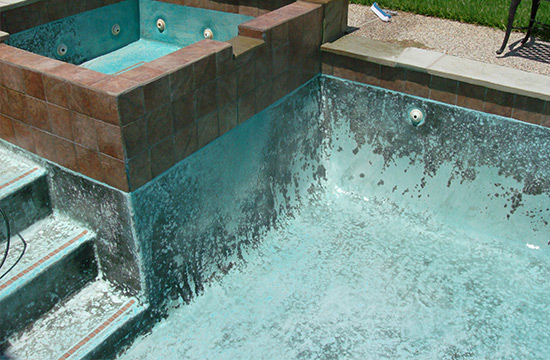
Pool resurfacing is the process of removing the old, worn interior finish of your pool and replacing it with a new surface material like plaster, quartz, or pebble. You should resurface your pool when you notice rough textures, persistent stains, visible cracks, flaking plaster, or unexplained water loss. Most plaster pools need resurfacing every 7 to 10 years, quartz finishes last 10 to 15 years, and pebble finishes can last 15 to 20 years or more according to PebbleTec, one of the leading pool finish manufacturers in the country. For pool owners in Jefferson, Georgia, where hot summers and heavy rainfall put constant stress on pool surfaces, knowing when and how to resurface protects both your investment and your family’s comfort. This guide covers every step of the resurfacing process, the different materials available, warning signs to watch for, and how to choose the right finish for your pool.
What Is Pool Resurfacing and Why Does It Matter?
Pool resurfacing is the removal and replacement of the interior surface material that lines your pool shell. This surface, whether it is plaster, quartz aggregate, pebble, or tile, serves as the waterproof barrier between the water and the concrete or gunite structure underneath. Over time, chemicals, UV exposure, water pressure, and normal wear break down that barrier.
Resurfacing matters because a failing surface leads to real problems. Cracks allow water to seep into the shell, causing structural damage. Rough textures scrape swimmers’ skin and tear swimwear. Porous, worn surfaces trap algae and bacteria, making the pool harder and more expensive to maintain. According to Alan Smith Pools, one of the largest pool resurfacing companies in the country, rough areas are found in up to 78% of pools that need resurfacing.
Beyond safety and function, resurfacing also affects your home’s value. According to real estate data from the National Association of Realtors, a well-maintained inground pool can increase a home’s value by 5% to 8%. Homes with recently resurfaced pools tend to sell for about 7% more than similar properties with older, worn pool surfaces according to research compiled by Alan Smith Pools. For homeowners in Jefferson, Georgia and across North Georgia, a fresh pool finish makes a real difference in both curb appeal and resale potential.
Pool owners who invest in regular pool cleaning services tend to get more years out of their pool surface because balanced water chemistry is the single biggest factor in finish longevity.
How Do You Know When Your Pool Needs Resurfacing?
You know your pool needs resurfacing when you see or feel one or more of these warning signs: rough or abrasive surfaces, persistent stains that will not clean off, visible cracks or spider web cracking, plaster flaking or peeling (called spalling), discoloration or fading, unexplained water loss, and excessive algae growth despite proper chemical treatment.
A rough surface is one of the earliest and most common signs. When you run your hand along the pool wall or floor and it feels like sandpaper instead of smooth stone, the finish is breaking down. According to pool industry data, this roughness occurs because acidic water gradually etches away the surface material. Pools with unbalanced pH, particularly water that is too acidic, deteriorate much faster.
Cracks are a more serious warning. Hairline cracks in the plaster are common as cement hydrates and expands with temperature changes. But if you notice cracks spreading, deepening, or appearing more frequently, the surface is failing. Left untreated, cracks become leak pathways. According to Summerhill Pools, a pool renovation specialist, untreated cracks can lead to significant water loss that drastically raises water bills and can even damage the pool’s foundation.
Persistent stains that do not respond to brushing, chemical treatment, or acid washing are another clear sign. These stains indicate the surface has become porous and is absorbing minerals, metals, and organic material at a level that surface cleaning cannot fix.
If you suspect your pool surface is failing, a professional pool inspection can confirm the condition and help you plan the right course of action before small problems become expensive emergencies.
How Long Does Each Type of Pool Surface Last?
Each type of pool surface lasts a different number of years depending on the material, water chemistry maintenance, climate, and usage. Here is what the industry data shows.
White plaster is the most traditional and affordable pool finish. It provides a smooth, classic look and is the most common surface on residential pools. However, plaster has the shortest lifespan. According to PebbleTec and multiple pool industry sources, standard white plaster lasts 7 to 10 years before it needs resurfacing. It is more prone to staining, etching, and discoloration, especially in pools with inconsistent water chemistry.
Quartz aggregate finishes like Diamond Brite and StoneScapes mix crushed quartz crystals with cement. The quartz strengthens the surface and provides better stain resistance and color retention. According to B&D Pools, a pool resurfacing company, quartz finishes typically last 12 to 15 years. They cost more than plaster but offer a significant upgrade in durability.
Pebble finishes like PebbleTec use natural pebbles bound with cement and proprietary strengthening additives. These finishes are the most durable option for residential pools. According to PebbleTec, pebble finishes can last 20 years or more with proper water chemistry and maintenance. They resist staining, fading, and cracking far better than plaster or quartz.
Tile finishes using ceramic, porcelain, or glass tiles are the most expensive option but can last decades. Full tile finishes are typically reserved for high-end or commercial pools due to their cost, which can run $30 to $50 per square foot according to Palm Beach Pool Pros.
Pool owners in Jefferson, Georgia should factor in the local climate when choosing a finish. North Georgia’s hot summers, heavy rainfall (50 to 55 inches per year according to the National Weather Service), and clay-heavy soil all put extra stress on pool surfaces. A more durable finish like quartz or pebble often pays for itself in the long run by lasting two or three times longer than basic plaster.
Pool Resurfacing Material Comparison
| Material | Average Lifespan | Texture | Stain Resistance | Best For |
|---|---|---|---|---|
| White Plaster | 7 to 10 years | Smooth | Low | Budget-friendly projects |
| Quartz Aggregate | 12 to 15 years | Smooth to slightly textured | Moderate to high | Balance of durability and cost |
| Pebble Finish | 15 to 20+ years | Textured, non-slip | High | Long-term durability, premium look |
| Glass Bead | 10 to 15 years | Smooth, sparkling | Moderate to high | Unique visual appeal |
| Tile (Ceramic/Glass) | 20+ years | Varies by tile type | Very high | Luxury, high-end pools |
Sources: PebbleTec, B&D Pools, Creative Edge Pools, Palm Beach Pool Pros, Phoenix Pools and Spas.
How Is a Pool Resurfaced Step by Step?
A pool is resurfaced step by step through a process that includes draining, surface preparation, crack repair, bond coat application, new finish application, curing, and refilling. The entire process typically takes 5 to 14 days depending on the size of the pool, the material chosen, and the weather.
Step 1: Drain the pool. All water is removed using a submersible pump. The hydrostatic relief plug in the pool floor is removed to prevent groundwater pressure from pushing the shell upward. A sump pump may be placed in the deep end to manage any groundwater that seeps in.
Step 2: Prepare the surface. The old finish is removed by chipping, sandblasting, or hydro-blasting. This exposes the concrete or gunite shell underneath and creates a rough surface that the new material can bond to. All loose material, debris, and mineral deposits are cleaned away.
Step 3: Repair cracks and structural issues. With the pool empty and stripped, any cracks, voids, or damage to the shell are repaired. This is the most important step for long-term results. Putting a new finish over a cracked shell is like painting over a rotten wall. If there are plumbing issues, this is the ideal time to address those as well.
Step 4: Apply bond coat. A bonding agent is applied to the prepared shell to help the new finish adhere properly. This layer acts as the glue between the old concrete and the new surface material.
Step 5: Apply the new finish. The chosen surface material, whether plaster, quartz, pebble, or another finish, is mixed and applied by a skilled crew. This is labor-intensive and must be done quickly and evenly for a consistent result. For pebble and aggregate finishes, the top layer of cement is washed or acid-washed to expose the aggregate.
Step 6: Cure and fill. The new surface needs several days to cure properly. The pool is filled with water, and a specific startup chemical treatment is performed during the first 7 to 10 days to protect the new finish as it hardens. This initial water treatment is critical for the long-term durability of the surface.
Homeowners in Jefferson, GA and surrounding areas like Athens and Braselton should schedule resurfacing during the fall or early spring when the pool is used less. According to GPS Pools, a pool service and supply company, fall is generally considered the best time to resurface because cooler temperatures and less rain create ideal curing conditions.
Can You Resurface a Pool Yourself?
Technically, you can resurface a pool yourself, but it is not recommended for most homeowners. Pool resurfacing requires specialized equipment, materials, and technique. The surface must be applied quickly and evenly before the material sets, and any mistakes will show up as uneven texture, color inconsistency, or premature failure.
According to pool resurfacing professionals, the most common problems with DIY jobs are poor surface preparation, incorrect material mixing, uneven application, and improper curing. Each of these errors shortens the life of the new finish and can lead to the same problems you were trying to fix: cracks, stains, and rough spots.
Draining an inground pool also carries structural risks. Without properly managing groundwater pressure by removing the hydrostatic plug, an empty pool shell can crack or pop out of the ground. In Jefferson, Georgia, where clay soils hold moisture, this risk is especially high during the wetter months.
For a job this important, working with experienced professionals gives you the best result and the longest-lasting finish. Custom pool builders who know the local soil and climate conditions can ensure the resurfacing is done right the first time.
Does Pool Resurfacing Fix Leaks?
Pool resurfacing can fix surface-level leaks caused by cracks, pitting, or deterioration in the pool finish. If the leak is coming from the interior surface, a new finish will seal those pathways and stop the water loss.
However, resurfacing will not fix leaks that originate from the plumbing, fittings, lights, or skimmers. A proper leak test, also called a pressure test, should be done before any resurfacing work begins. According to Surfside Pools, a pool remodeling company, the first step of every professional resurfacing job is a pressure test to check for leaks in the pool and equipment. If leaks exist in the plumbing, they must be repaired before the new surface is applied.
Pool owners who notice unexplained water loss should start with a professional pool inspection to determine whether the leak is coming from the surface, the plumbing, or the equipment. Fixing the root cause before resurfacing saves time, money, and frustration.
What Is the Best Pool Finish for Durability?
The best pool finish for durability is a pebble finish. Pebble surfaces outlast every other common pool finish by a wide margin. According to PebbleTec, their pebble finishes can last over 20 years with proper maintenance and balanced water chemistry. Pebble finishes resist staining, cracking, and fading far better than plaster or quartz.
The natural stone aggregate creates a dense, hard surface that holds up against chemical exposure, UV rays, and physical wear. Pebble finishes also provide a non-slip texture, which adds a safety benefit for families with children.
The trade-off is cost. Pebble finishes cost roughly two to three times more than standard white plaster per square foot. But because they last two to three times longer, the total cost of ownership over the life of the pool is often lower. You pay more once but avoid the expense and disruption of resurfacing again in 7 to 10 years.
For homeowners in North Georgia who plan to stay in their home for many years, a pebble finish is the smartest long-term investment. Families in Gainesville, Winder, and Jefferson, Georgia who want a finish that can handle years of Georgia summers and heavy rainfall consistently choose pebble or quartz aggregate over basic plaster.
How Does Water Chemistry Affect Pool Surface Lifespan?
Water chemistry has a direct and significant impact on pool surface lifespan. Unbalanced water is the number one cause of premature surface failure. Acidic water with low pH eats away at cement-based finishes, causing etching, roughness, and calcium loss. High calcium hardness causes scale deposits that discolor and harden on the surface.
According to the Centers for Disease Control and Prevention, pool water should maintain a pH between 7.2 and 7.8. Water that falls below 7.0 becomes corrosive and will aggressively dissolve plaster, weakening the surface from the inside out. According to pool chemistry experts at Creative Edge Pools, pools with inconsistent pH can require resurfacing in as little as 3 to 5 years, even with a quality finish.
Total alkalinity, calcium hardness, and cyanuric acid levels all play a role as well. Keeping these in balance protects the pool surface as much as it protects the swimmers. Pool owners who invest in regular pool cleaning and maintenance get significantly more life out of their pool finish.
When Is the Best Time to Resurface a Pool?
The best time to resurface a pool is during the fall or early spring when the pool is not in heavy use. Cooler temperatures and lower humidity help the new surface cure properly without drying too fast or being disrupted by rain.
In Jefferson, Georgia, the ideal window is typically October through early April. According to the National Weather Service, September and October are the driest months in North Georgia, making early fall an excellent time to start a resurfacing project. Spring is also viable, but the increased rainfall in March, which is the wettest month in North Georgia, can cause delays.
Scheduling in the off-season also means you will not lose any swim time during the peak summer months. Most resurfacing projects take 1 to 3 weeks from start to finish, so planning ahead means your pool is ready to go when warm weather returns.
How Long Does Pool Resurfacing Take?
Pool resurfacing takes 5 to 14 days on average, depending on the size of the pool, the material chosen, and weather conditions. Simple plaster jobs on smaller pools can be done in about 5 to 7 days. Larger pools with pebble or aggregate finishes, tile replacement, and deck work can take 2 to 3 weeks.
According to Emerald Pools and Spas, a pool resurfacing company, the 5 to 7 day estimate covers the core work, but allowing extra time for the initial water treatment and curing process is important. The first week after filling is critical for the new finish. Special chemical treatments must be performed daily to protect the surface as it cures and hardens underwater.
Weather is the biggest variable. Rain can delay draining, prep work, and finish application. Pool owners in Jefferson, GA should build in a few extra days as a buffer when scheduling their project.
Does Resurfacing a Pool Increase Home Value?
Yes, resurfacing a pool increases home value by improving both the appearance and the functional condition of the pool. According to the National Association of Realtors, a well-maintained inground pool can boost a home’s value by 5% to 8% in warm climate markets. Homes with recently resurfaced pools signal lower near-term repair risk to buyers, which supports stronger offers.
According to real estate data compiled by HomeLight, a house with a well-maintained pool could sell for an estimated $27,199 more on average compared to a house without one. A pool in poor condition, on the other hand, can become a liability that drives buyers away or leads to discounted offers.
Resurfacing is one of the most cost-effective pool renovations because it addresses both aesthetics and structural integrity at the same time. For homeowners in Jefferson, Georgia considering selling their home, a freshly resurfaced pool with modern quartz or pebble finish can be a significant selling point in the North Georgia real estate market.
Can You Change the Color or Material When You Resurface?
Yes, you can change both the color and the material when you resurface your pool. Since the old finish is stripped down to the shell before the new material is applied, you have a clean slate to choose any finish you want. You can switch from white plaster to a blue quartz, upgrade from plaster to pebble, or even change from a light finish to a dark one.
Darker finishes absorb more heat from sunlight, which can raise water temperature by a few degrees. This can be a benefit in spring and fall but may make summer swimming warmer than desired without shade or a pool cover. Lighter finishes reflect more light and keep the water cooler.
If you are considering a full redesign along with resurfacing, this is also the ideal time to update tile, coping, and deck surfaces. Working with a custom pool team allows you to coordinate all of these upgrades into a single project, saving time and money compared to doing them separately.
What Happens if You Do Not Resurface Your Pool?
If you do not resurface your pool when it needs it, the problems will get worse over time and cost more to fix. Small cracks become large cracks. Rough spots spread across the entire surface. Stains penetrate deeper into the material. Algae becomes harder to control because it embeds in the porous, damaged finish.
Eventually, the surface fails completely. Water seeps through the finish and reaches the concrete shell, causing structural damage. Leaks increase water bills and can undermine the soil around the pool, leading to deck settling, coping damage, and even foundation issues. According to pool renovation specialists, delaying resurfacing almost always results in higher total costs because what could have been a straightforward surface replacement becomes a structural repair project.
Pool owners in the Jefferson, GA area who notice early warning signs should schedule a pool inspection sooner rather than later. Catching surface failure early gives you more options and costs less than waiting for a crisis.
How Do You Maintain a Newly Resurfaced Pool?
Maintaining a newly resurfaced pool starts with the initial water treatment during the first 7 to 10 days after filling. This curing period is the most important phase for the long-term life of your new surface. During this time, you must brush the entire pool surface twice daily to remove plaster dust and prevent discoloration. Water chemistry must be tested and adjusted daily, keeping pH, alkalinity, and calcium hardness within tight ranges.
According to Alan Smith Pools, improper initial water treatment is one of the leading causes of premature finish failure. Many pool owners hire a professional to manage this phase because the margin for error is slim.
After the curing period, ongoing maintenance is straightforward. Brush the pool at least once a week. Test water chemistry at least twice a week. Keep pH between 7.4 and 7.6, total alkalinity between 80 and 120 ppm, and calcium hardness between 200 and 400 ppm. Run the filter 8 to 12 hours per day. Use algaecide as a preventive measure during warm months.
Homeowners in Braselton, Hoschton, and across Jefferson, Georgia who want to protect their new investment often sign up for ongoing pool cleaning services to keep water chemistry balanced and the surface in top condition year-round.
Frequently Asked Questions
How Much Does Pool Resurfacing Typically Cost?
Pool resurfacing costs vary based on the pool size, the material chosen, and the condition of the existing shell. On average, most resurfacing projects fall in the range of several thousand dollars for basic plaster to significantly more for premium pebble or tile finishes. The best way to get an accurate estimate is to have a professional evaluate your specific pool. Homeowners in Jefferson, Georgia can request a consultation to get a clear picture of the investment involved.
Can I Swim During the Resurfacing Process?
No, you cannot swim during the resurfacing process. The pool must be drained, stripped, and completely refinished before it is refilled. After filling, you need to wait until the initial water treatment is complete and the water chemistry is balanced. This typically takes 7 to 10 days after filling. Swimming too soon can damage the new finish before it has fully cured.
Is Acid Washing the Same as Resurfacing?
No, acid washing is not the same as resurfacing. Acid washing removes a thin layer of plaster to reveal a cleaner surface underneath. It can help with light staining and discoloration, but it does not repair cracks, fix structural issues, or add new material. Acid washing also thins the existing surface, so it should only be done once or twice before a full resurface is needed. It is a temporary fix, not a long-term solution.
Do I Need to Resurface My Pool if I Only See Small Cracks?
Small hairline cracks do not always require a full resurface. They can sometimes be patched and sealed. However, if you notice cracks spreading, deepening, or appearing in multiple areas, the surface is failing and a full resurface is the right move. A professional inspection in Jefferson, Georgia can determine whether patching is sufficient or if a full resurface is needed.
Will a Pebble Finish Feel Rough on My Feet?
Pebble finishes do have a textured feel, but most swimmers adapt quickly. The texture provides non-slip safety, which is especially important for families with children. PebbleTec also offers smoother pebble options like PebbleSheen that use smaller pebbles for a less rough feel while maintaining the same durability. Quartz finishes offer a smoother alternative for those who prefer a less textured surface.
How Does North Georgia’s Climate Affect Pool Resurfacing?
North Georgia’s climate, with its hot summers, heavy rainfall, and temperature swings between seasons, puts extra wear on pool finishes. According to the National Weather Service, North Georgia receives 50 to 55 inches of rain per year, and temperatures can range from the low 20s in winter to the low 90s in summer. These swings cause cement-based finishes to expand and contract, which accelerates cracking. Choosing a durable finish and maintaining proper water chemistry are the best defenses against climate-related surface failure.
Should I Resurface Before or After Closing My Pool for Winter?
You should resurface before closing your pool for winter so the new finish has time to cure properly while the pool is still being actively managed. The initial water treatment requires daily monitoring for 7 to 10 days, which is easier to manage before the pool is winterized. In Jefferson, GA, scheduling resurfacing in early to mid-fall gives you enough time to finish the project and complete the curing process before pool closing services shut everything down for the cooler months.
Final Thoughts
Pool resurfacing is not just a cosmetic upgrade. It is a critical maintenance step that protects your pool’s structure, improves swimmer comfort, reduces chemical costs, and adds value to your home. Whether your pool has a worn-out plaster finish that is 10 years old or a cracked surface that is leaking water, resurfacing restores the pool to like-new condition and gives you years of worry-free enjoyment. The key is to choose the right material for your budget and timeline, work with experienced professionals, and maintain proper water chemistry after the job is done.
If your pool in Jefferson, Georgia or anywhere across North Georgia is showing signs that it needs a new surface, Sandals Luxury Pools has the experience to guide you through the entire process. From initial inspection to material selection, expert installation, and ongoing care, the team delivers results that last. Contact the pool repair team today to schedule an evaluation and find out which resurfacing option is right for your pool.
