
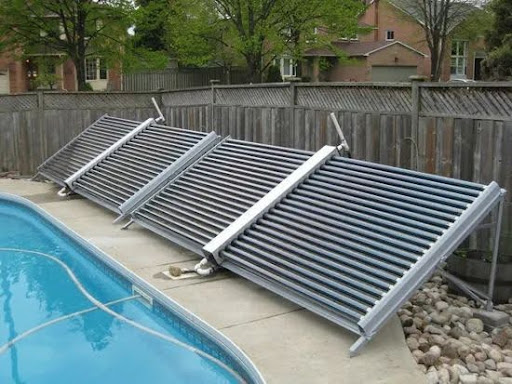
Yes, you can heat a swimming pool without a heater by using the sun’s free energy. Solar covers, solar rings, DIY black hose heaters, liquid solar blankets, and smart landscaping are all proven ways to raise your pool water temperature by 5 to 15 degrees Fahrenheit or more, depending on your climate and sun exposure. This article covers every method available to pool owners in Jefferson, Georgia and across North Georgia, with real data and practical tips so you can enjoy warmer water all season long without a traditional gas or electric heater.
How Can I Heat My Pool Without a Heater?
You can heat your pool without a heater by using solar energy in several different forms. The most popular options include solar pool covers, DIY solar heaters made from black hoses, solar rings, liquid solar blankets, and solar panel heating systems. Each method captures the sun’s warmth and transfers it into your pool water.
According to the U.S. Department of Energy, outdoor pools naturally absorb 75% to 85% of the solar energy that strikes the pool surface. That is a huge amount of free heat. The trick is keeping that heat from escaping. The same Department of Energy data shows that evaporation is responsible for roughly 70% of total energy loss in a swimming pool. So the best way to heat your pool without a heater is to trap the sun’s warmth and stop evaporation at the same time.
Homeowners in Jefferson, Georgia are in a great spot for these methods. North Georgia gets plenty of sunny days through spring, summer, and fall. That means solar heating methods work well for most of the swim season. If you are thinking about building a custom pool, planning for solar heating from the start can save you money for years to come.
What Is the Cheapest Way to Heat a Swimming Pool?
The cheapest way to heat a swimming pool is with a solar pool cover, also called a solar blanket. A solar cover is a sheet of UV-stabilized polyethylene that floats on the water surface. It looks a lot like oversized bubble wrap. It traps the sun’s heat, transfers that warmth into the water, and stops evaporation at the same time.
According to testing data published by Solar Tech Online, a solar cover can raise pool water temperature by an average of 10 to 15 degrees Fahrenheit when the pool gets at least 6 hours of direct sunlight. In a Phoenix test pool, the average gain was 14.2 degrees Fahrenheit, with a peak single-day gain of 18 degrees Fahrenheit under ideal conditions. A Dallas test pool averaged 11.7 degrees Fahrenheit of gain. These are significant numbers for zero ongoing energy cost.
A 2016 study by Cal Poly tested 12 pools and found that solar covers and automatic covers both reduced evaporation by about 95%. That is important because every gallon of 80-degree pool water that evaporates takes about 8,729 BTUs of heat energy with it, according to Natural Chemistry’s analysis of U.S. Department of Energy data. Stopping that evaporation keeps a massive amount of heat in your pool.
For families across the Jefferson, Georgia area who want to stretch their swim season from April through October, a solar blanket is the simplest and most affordable first step.
Do Solar Covers Actually Work to Heat a Pool?
Yes, solar covers actually work to heat a pool. They are one of the most well-documented and effective ways to warm pool water without a traditional heater. A Colgate University study from 2014 found that covering a pool for just 7 hours each night resulted in energy cost savings of over 30%. A Michigan Energy Office case study on a school pool showed a 50% reduction in energy use after adding a pool cover.
The Department of Energy also confirms that pool covers conserve water by reducing makeup water needs by 30% to 50% and cut chemical consumption by 35% to 60%. So a solar cover does not just heat your pool. It also saves water and reduces the amount of chlorine and other chemicals you need to buy.
Pool owners in North Georgia should know that a transparent or clear bubble cover lets more sunlight pass through to the water, while darker covers absorb more heat on the surface. For most pools near Jefferson and the surrounding areas like Athens, Braselton, and Gainesville, a clear or blue solar blanket provides the best balance of heat gain and evaporation control.
Does a Tarp Keep a Pool Warm?
A tarp does keep a pool warm by reducing evaporation and trapping some heat, but it is not as effective as a purpose-built solar pool cover. A regular tarp is opaque, which means it blocks sunlight from reaching the water. The Department of Energy notes that a completely opaque cover can reduce the pool’s solar energy absorption by 20% to 40%. A transparent bubble cover only reduces solar absorption by 5% to 15%, which means far more of the sun’s warmth reaches the water.
A tarp will still help prevent heat loss at night, which is when most pools lose the most warmth. But if you want to actively heat the water during the day, a solar blanket is a much better choice. It lets sunlight in while keeping heat from escaping.
What Is the Black Hose Trick?
The black hose trick is a DIY solar pool heating method where you coil a long black garden hose in direct sunlight and use a small pump to circulate pool water through it. The black hose absorbs solar energy and heats the water as it slowly flows through. The warmed water then returns to the pool.
This method works because black surfaces absorb more solar radiation than any other color. A typical setup uses 100 to 500 feet of black irrigation tubing coiled on a flat surface like a driveway, patio, or plywood board. According to an Instructables user who tested 250 feet of black hose on a lawn, the system raised water temperature by 7 degrees Fahrenheit with a 2 gallon per minute flow rate. Another DIY builder reported that water coming out of 500 feet of hose on a sunny day was too hot to touch.
The black hose trick works best for smaller pools or as a supplement to a solar cover. For large inground pools common in the Jefferson, Georgia area, you would need several hundred feet of hose and consistent full sun to make a real difference. Running the pump during peak sunlight hours, typically 10 AM to 4 PM, gives the best results.
Many North Georgia homeowners who have their pools built by experienced pool repair and service professionals already have the plumbing setup that makes adding a solar heating loop easier.
Do Black Garbage Bags Heat the Pool?
Black garbage bags can heat the pool slightly by absorbing solar energy and floating on the water surface, but they are not a very effective or practical solution. The idea is similar to a solar cover. The black plastic absorbs sunlight and transfers some heat to the water beneath it. However, garbage bags are thin, tear easily, blow off in the wind, and do not seal tightly against the water surface like a real solar cover does.
A proper solar blanket designed for pools will outperform garbage bags in every way. Solar covers are made from UV-stabilized materials that last 2 to 4 years and are shaped to fit the pool surface. Garbage bags are a quick experiment, but not a long-term solution for heating your pool.
Will Painting a Pool Black Make It Warmer?
Painting a pool black or using a dark-colored pool liner will make the water slightly warmer, but the effect is modest. According to River Pools and Spas, the temperature difference between a white swimming pool and a black swimming pool in direct sunlight is about 3 to 5 degrees Fahrenheit. Some pool owners report gains of up to 5 to 10 degrees, while others see almost no difference.
The reason the effect is limited is that pool water itself absorbs a lot of sunlight before it ever reaches the bottom. Water absorbs red and orange light wavelengths quickly, so much of the sun’s heat energy is captured by the water regardless of liner color. A dark liner helps most in shallow pools with lots of direct sun exposure.
If you are planning a new pool build in the Jefferson, Georgia area, choosing a darker liner color is a free way to gain a few extra degrees. But it should not be your only strategy. Pairing a dark liner with a solar cover gives you the biggest temperature boost. Homeowners exploring custom pool designs in North Georgia can discuss liner color options with their builder during the planning phase.
Do Pool Blankets Heat the Pool?
Yes, pool blankets heat the pool by trapping solar energy and preventing heat loss through evaporation. A solar pool blanket, or solar cover, can raise water temperature by 10 to 15 degrees Fahrenheit over 2 to 3 sunny days, according to data from Pool Parts To Go. The cover works by absorbing sunlight through its bubble material and transferring that warmth to the water below.
Pool blankets also work at night by acting as insulation. Without a cover, an uncovered pool can lose 5 to 8 degrees Fahrenheit of heat overnight due to evaporation and radiant heat loss. A solar blanket prevents most of that loss, keeping the water warmer for the next day.
For pools across North Georgia, from Athens to Braselton to Gainesville, using a pool blanket consistently is the single most impactful thing you can do to raise and maintain water temperature without a heater.
How Do Solar Rings Work Compared to Solar Blankets?
Solar rings work by floating disc-shaped UV-resistant vinyl covers on the pool surface, where they absorb sunlight and transfer heat to the water. They are about 2 feet in diameter and connect to each other with small magnets. Solar blankets, on the other hand, cover the entire pool surface as one large sheet.
The Cal Poly 2016 study found that solar rings reduced evaporation by about 50%, while full solar covers reduced it by about 95%. That is a big difference. Solar rings leave open gaps between the discs, which means more heat escapes through evaporation. According to Pool Research, solar rings can heat pool water by 2 to 5 degrees Fahrenheit over a couple of days, while solar blankets can gain 5 to 15 degrees in a single sunny day.
Solar rings are easier to handle and store, especially for larger pools. They are also safe to use while swimming. But for maximum heating without a heater, a full solar blanket is the better choice.
What Can I Put in My Pool to Heat It Up?
You can put a liquid solar cover in your pool to heat it up. Liquid solar covers are a pool chemical that creates a thin, invisible, single-molecule layer on the water surface. This layer reduces evaporation and helps trap heat. The product is non-toxic, odorless, and biodegradable.
Liquid solar covers are less effective than physical solar blankets. They do not add as much heat or prevent as much evaporation. The Cal Poly study found that liquid evaporation suppressants performed significantly worse than solid covers, though the researchers noted that high winds during their testing period may have reduced effectiveness. Still, liquid covers have one big advantage: they work even while people are swimming, because there is nothing to remove from the pool.
You simply add a dose of the liquid through the pool skimmer once a week. For families in Jefferson, Georgia who use their pool daily, a liquid solar cover paired with a regular solar blanket used at night is a practical combination.
How Does a Solar Pool Heater System Work?
A solar pool heater system works by pumping pool water through dark-colored solar collector panels, usually mounted on a roof or a ground rack. The sun heats the panels, and the water flowing through them absorbs that heat before returning to the pool. The system uses the existing pool pump, so there are no extra electricity costs beyond what you already pay to filter the water.
According to the U.S. Department of Energy, solar pool heating systems typically pay for themselves in 1 to 7 years, depending on local fuel costs and available sunlight. They also last longer than gas and heat pump pool heaters. The Florida Solar Energy Center at the University of Central Florida found that a properly sized solar system for a 30 by 15 foot pool in a sunny climate can produce about 87 million BTUs of heat per season.
For homeowners across the Jefferson, Georgia area who want a reliable way to extend the swim season into cooler months, a solar panel system is one of the best investments. It pairs perfectly with a solar cover for maximum performance. Having a pool inspection done before installing a solar system helps make sure your plumbing and pump can handle the added loop.
How to Heat a Pool Inexpensively?
To heat a pool inexpensively, combine multiple low-cost methods for the best results. Start with a solar blanket, which is the highest-impact and lowest-cost method. Add a windbreak around the pool to reduce evaporation from wind. Use a dark-colored pool liner if possible. Run your pump during the warmest part of the day to circulate the sun-warmed surface water throughout the pool.
The U.S. Department of Energy recommends adding a windbreak of trees, shrubs, or a fence to reduce evaporation in windy areas. The windbreak should be high enough and close enough to the pool that it does not create turbulence over the water. But it should not shade the pool, because direct sunlight is what heats the water.
Another inexpensive trick is to turn off water features like fountains and waterfalls when you are not using the pool. These features aerate the water, which cools it down. According to forum posts from Georgia pool owners on Trouble Free Pool, turning off aeration features can prevent noticeable temperature drops.
Homeowners near Winder, Hoschton, and other North Georgia communities who already have pools should also make sure their equipment is in good shape. A clean filter and efficient pump help circulate warm water better. Scheduling regular pool cleaning services keeps everything running smoothly and helps your pool retain heat.
What Temperature Is Too Cold for a Pool?
A pool temperature below 70 degrees Fahrenheit is too cold for most swimmers. According to the American Red Cross, the recommended pool water temperature for recreational swimming is 78 to 82 degrees Fahrenheit. Water below 70 degrees can cause muscle cramps, rapid breathing, and discomfort, especially for children and older adults.
The World Health Organization has noted that prolonged exposure to water below 70 degrees Fahrenheit increases the risk of hypothermia. Competitive swimmers sometimes train in cooler water around 77 degrees, but for backyard fun with family, 78 to 82 degrees is the sweet spot.
In Jefferson, Georgia, unheated pools typically reach comfortable temperatures by late May and stay warm through September. Using a solar cover can push that window to mid-April through mid-October, adding several extra weeks of swimming on each end of the season.
How to Warm Up a Cold Pool?
To warm up a cold pool, cover it with a solar blanket for 2 to 3 consecutive sunny days. This is the fastest free method. A fully covered pool receiving at least 6 hours of direct sunlight can gain 5 to 15 degrees Fahrenheit per day, according to Pool Research. After 3 days of consistent cover use, most pools reach a comfortable temperature.
Here are the most effective steps in order: first, put the solar cover on and leave it on as much as possible, removing it only when swimming. Second, run the pool pump during the warmest hours of the day, between 10 AM and 4 PM, to circulate the warm surface water. Third, turn off any fountains, waterfalls, or aerators that cool the water. Fourth, cover the pool again every evening to prevent overnight heat loss.
For pool owners in North Georgia who are opening their pool for the season, the water may be quite cold after winter. A seasonal opening service gets everything running, and then a solar cover takes over the heating job naturally.
How to Heat a Pool During Winter?
Heating a pool during winter without a heater is very difficult in most climates, including North Georgia. Solar heating methods depend on sunlight and warm air temperatures, both of which are limited in winter. A solar cover can help retain what little warmth the pool has, but it will not raise the temperature significantly when daytime highs are in the 40s and 50s.
The U.S. Department of Energy notes that each degree you raise pool water temperature costs 10% to 30% more in energy, depending on climate. In winter, the difference between air and water temperature is large, which means heat loss is fast and constant. Without a gas heater or heat pump, keeping a pool at a comfortable 78 to 82 degrees through a Georgia winter is not realistic with solar methods alone.
The smarter approach for homeowners in the Jefferson area is to use a proper pool closing service to winterize the pool safely, then open it again in spring with solar heating methods ready to go.
What to Do When the Pool Is Too Cold?
When the pool is too cold, the fastest free fix is to cover it with a solar blanket and wait for 1 to 3 sunny days. If you need quicker results, add a DIY black hose solar heater to supplement the cover. Running the pool pump during peak sun hours helps distribute warm water from the surface to deeper areas.
Avoid the temptation to add hot water from a garden hose or indoor tap. The volume of water in a pool is so large that adding hot tap water makes almost no measurable difference. A standard garden hose delivers about 5 to 10 gallons per minute. A typical 15,000-gallon pool would need an enormous amount of hot water to move the temperature even 1 degree.
The best long-term solution for pool owners near Athens, Braselton, or anywhere in North Georgia is to plan ahead. Put the solar cover on in early spring, well before you plan to swim. By the time warm weather arrives, the pool will already be at a comfortable temperature.
Will My Pool Pipes Freeze in One Night?
Pool pipes can freeze in one night if the air temperature drops below 32 degrees Fahrenheit for several hours and the water is not circulating. Moving water is harder to freeze than still water. Running the pool pump during freezing nights keeps water flowing through the pipes and reduces the risk of a freeze.
In Jefferson, Georgia, hard freezes are not common but they do happen, especially in December through February. According to the National Weather Service, North Georgia sees occasional overnight lows in the 20s during winter cold snaps. If your pool is open during these months, keep the pump running whenever temperatures approach freezing.
Frozen pipes can crack and cause serious damage. If you suspect pipe damage after a freeze, scheduling a pool repair service right away prevents small problems from turning into big, expensive ones.
Why Do People Put Baking Soda in Their Swimming Pools?
People put baking soda in their swimming pools to raise the total alkalinity of the water. Baking soda, or sodium bicarbonate, is a common and inexpensive pool chemical that helps stabilize pH levels. It does not heat the pool or have any effect on water temperature.
Proper water chemistry is important for every pool, whether heated or not. Balanced alkalinity, typically between 80 and 120 parts per million, helps prevent pH swings that can damage pool surfaces, irritate skin and eyes, and reduce the effectiveness of chlorine. Keeping your pool chemistry balanced also protects your equipment and extends the life of your pool.
Homeowners who keep up with regular pool cleaning and water testing have healthier, more comfortable pool water all season long.
How to Stay Warm in Cold Pool Water?
To stay warm in cold pool water, keep moving. Swimming generates body heat, and staying active keeps your muscles warm. A rash guard or thin wetsuit can also help insulate your body. Even a 1mm neoprene shirt can make a noticeable difference in water below 75 degrees.
Entering the pool gradually helps your body adjust to the temperature. Jumping into cold water causes a shock response that can lead to gasping, rapid heart rate, and muscle tension. Easing in slowly gives your body time to adapt.
Of course, the better long-term solution is to heat the water itself. Using a solar cover and the other methods described in this article can keep your pool comfortable enough that cold water is rarely a problem during the swim season in North Georgia.
Pool Heating Methods Comparison Table
| Heating Method | Temperature Gain | Evaporation Reduction | Maintenance |
|---|---|---|---|
| Solar Blanket (Full Cover) | 10-15°F over 2-3 days | Up to 95% | Low, replace every 2-4 years |
| Solar Rings | 2-5°F over 2-3 days | About 50% | Very low |
| Liquid Solar Cover | Minimal direct heating | Varies, lower than solid covers | Weekly application |
| Black Hose DIY Heater | 2-7°F per day (small pools) | None | Moderate setup, low upkeep |
| Solar Panel System | ~1°F per 4-5 hours on sunny days | None (pair with cover) | Low, 1-7 year payback |
| Dark Pool Liner | 3-5°F in direct sun | None | None beyond normal liner care |
| Windbreak (Fence/Hedge) | Indirect, reduces heat loss | Reduces wind-driven evaporation | Low |
Sources: U.S. Department of Energy, Solar Tech Online testing data, Cal Poly 2016 evaporation study, Pool Research, River Pools and Spas, Wayne’s Solar
Frequently Asked Questions
Is There Any Way to Heat a Pool Without a Heater?
Yes, there are several ways to heat a pool without a heater. Solar blankets, solar rings, liquid solar covers, DIY black hose heaters, solar panel systems, and dark-colored liners all work to raise water temperature using the sun’s free energy. The most effective single method is a solar blanket, which can raise water temperature by 10 to 15 degrees Fahrenheit. Pool owners in Jefferson, Georgia get enough sun during the swim season to make solar heating methods very effective.
How Long Does It Take a Solar Cover to Heat a Pool in North Georgia?
A solar cover typically takes 2 to 3 sunny days to raise pool water temperature by 10 to 15 degrees Fahrenheit in North Georgia. On a single sunny day with at least 6 hours of direct sunlight, you can expect a gain of 5 degrees or more. Cooler nights in spring and fall slow the process slightly, but consistent cover use still produces results within a few days.
Can I Use a Solar Cover and a Black Hose Heater Together?
Yes, you can use a solar cover and a black hose heater together, and this combination works very well. The black hose actively adds heat during the day while the solar cover traps that heat and prevents evaporation. Remove the cover only while the hose system is running, then replace it when done. This one-two approach is one of the most effective free heating strategies available to homeowners in the Jefferson area.
Do Solar Pool Covers Work on Cloudy Days in Georgia?
Solar pool covers provide limited heating on cloudy days, typically only 1 to 3 degrees Fahrenheit of gain according to Solar Tech Online testing data. However, they still prevent the 5 to 8 degrees of heat loss that uncovered pools typically experience on overcast days. So even on cloudy days, keeping the cover on is better than leaving the pool uncovered.
How Much Does a Solar Cover Save on Pool Chemical Costs?
A solar cover can reduce pool chemical consumption by 35% to 60%, according to the U.S. Department of Energy. By blocking UV light, the cover slows chlorine breakdown. It also keeps debris out of the water, which reduces the chemical demand. For pool owners across North Georgia, this means spending less on chlorine, algaecide, and pH adjusters throughout the season.
What Is the Best Pool Temperature for Swimming in Jefferson, Georgia?
The best pool temperature for swimming in Jefferson, Georgia is 78 to 82 degrees Fahrenheit. This range is recommended by the American Red Cross for recreational swimming and is comfortable for both adults and children. Most unheated pools in the area reach this range naturally by late May and maintain it through September. A solar cover can extend that comfortable window by several weeks on each end.
Should I Turn Off My Pool Waterfall to Keep the Water Warm?
Yes, you should turn off your pool waterfall, fountain, or other water features when you want the water to stay warm. Water features aerate the pool, which increases evaporation and cools the water. Turning them off during the times you are not using the pool helps retain heat. This is especially helpful in the evenings and overnight when air temperatures drop in North Georgia.
Final Thoughts
Heating your swimming pool without a heater is absolutely possible, and pool owners in Jefferson, Georgia and throughout North Georgia have every advantage. Plenty of sunshine, warm summers, and a long swim season make solar heating methods highly effective. Start with a solar blanket for the biggest and cheapest impact. Add a windbreak, use a dark liner, try the black hose trick, and turn off water features when the pool is not in use. Layer these strategies together and your pool will stay comfortable from spring through fall.
If you are ready to build the backyard pool of your dreams, or need help getting your existing pool ready for warmer water this season, reach out to Sandals Luxury Pools. With over a decade of experience building luxury pools across North Georgia, their team can help you design a pool that stays warm, looks stunning, and fits your lifestyle. Contact Sandals Luxury Pools today to schedule a consultation and start enjoying your pool the way it was meant to be enjoyed.
