
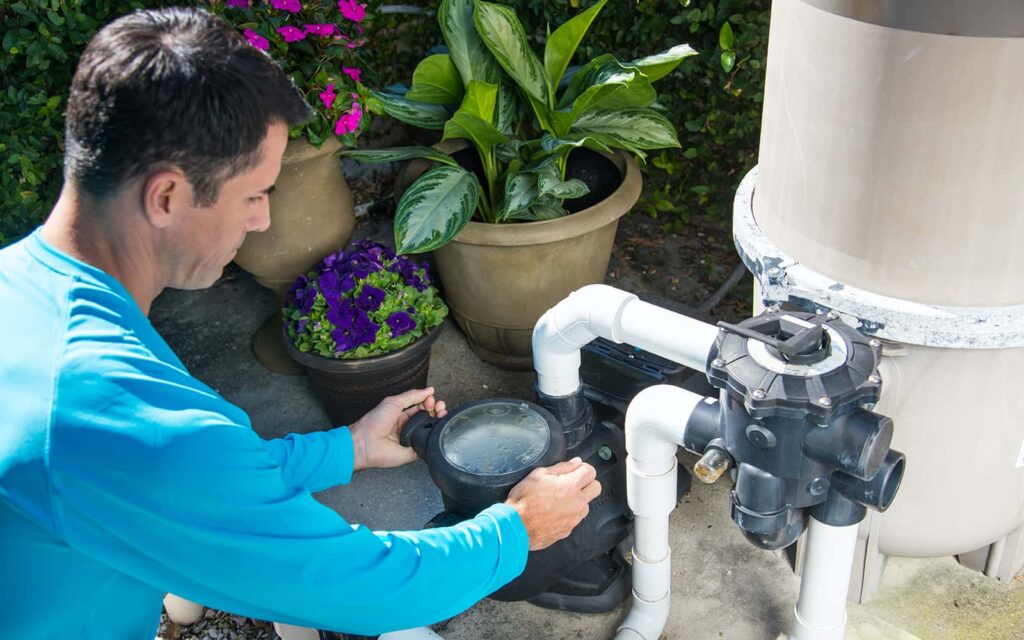
The most common signs your pool pump needs to be replaced are loud grinding or screeching noises, frequent overheating and shutting off, visible leaks around the housing, loss of suction or water flow, tripping the circuit breaker, a motor that hums but will not start, and the pump being older than 8 to 12 years. If your pool pump is showing one or more of these warning signs, it is likely nearing the end of its useful life. For pool owners in Jefferson, Georgia and across North Georgia, catching these signs early can save hundreds of dollars in emergency repairs and prevent your pool water from turning green. This guide covers every major symptom, explains when to repair versus replace, and helps you choose the right pump for your pool.
How Do I Know if My Pool Pump Needs Replacing?
You know your pool pump needs replacing when it shows persistent problems that simple repairs cannot fix, such as a burnt-out motor, cracked housing, repeated seal failures, or a pump that is more than 10 years old and losing performance. The pool pump is the heart of your pool’s circulation system. It pulls water from the skimmer and drains, pushes it through the filter, and returns clean water to the pool. When the pump fails, everything else fails with it.
According to the U.S. Department of Energy, pool pumps are often the second largest energy consumer in a home, costing up to $310 per year to operate. A failing pump works harder than it should, which drives energy costs even higher. Data from ENERGY STAR shows that certified variable-speed pool pumps save up to 70% on energy bills compared to conventional single-speed pumps, amounting to roughly $350 and 2,800 kWh in savings per year. Replacing a dying pump with an energy-efficient model is one of the smartest investments a pool owner can make.
Pool owners in Jefferson, Georgia who notice their pump struggling during the hot summer months should act quickly. Georgia’s long swim season means the pump runs more hours per year than in northern climates, which accelerates wear and tear. Scheduling a pool inspection at the first sign of trouble can help determine whether a repair or full replacement is the right move.
How to Tell if a Pool Pump Is Burned Out?
You can tell if a pool pump is burned out if the motor will not start at all, the motor hums or buzzes but does not spin, you smell a burnt electrical odor near the pump, or the circuit breaker trips every time the pump tries to turn on. These are all signs that the motor windings have overheated and failed.
According to ePoolSupply, a burnt electrical smell coming from the pump is a strong indicator that the capacitor or motor windings have failed. The capacitor is the component that gives the motor its initial boost of energy to start spinning. When it fails, the motor tries to start but cannot, producing a humming or buzzing sound. Capacitors have an average lifespan of about 5,000 starts, which works out to roughly 10 to 15 years if the pump is started once per day.
A burned-out motor is generally not worth repairing on an older pump. According to Deep Blue Pool and Spa, if the repair bill exceeds 50% of the cost of a new pump, replacement is almost always the better financial decision. Replacement motors for older single-speed pumps are becoming harder to find, and many technicians now recommend upgrading to a variable-speed pump instead.
Homeowners in Athens, Braselton, and Gainesville, Georgia who smell something burning near their pool equipment should turn off the pump immediately and call a professional. Running a damaged motor can create a fire hazard and cause further damage to the wiring and other pool components. A quick evaluation from a pool repair specialist can determine if the motor alone needs replacing or if a full pump upgrade is the better option.
What Are Common Pool Pump Problems?
Common pool pump problems include loud or unusual noises, loss of prime (air in the system), low water flow, motor overheating, leaks at the seal or housing, clogged impeller, tripping the circuit breaker, and the motor failing to start. Some of these problems can be repaired. Others signal that the pump is at the end of its life.
Loud Grinding, Screeching, or Squealing Noises
Loud grinding, screeching, or squealing noises from a pool pump usually mean the internal bearings are worn out. The bearings are located near the back of the motor and allow the shaft to spin smoothly. According to The Alpha Group, when these bearings wear down, the motor has to work much harder, which creates loud, unpleasant sounds and generates excess heat.
While bearings can be replaced, this repair is becoming less common because fewer technicians offer the service, and the cost of labor often approaches the cost of a new motor. According to PoolPartsToGo, if you hear a screaming sound from the pump, the bearings are bad. Worn bearings also allow water to leak past the shaft seal, which can short-circuit the motor if left unaddressed.
Motor Overheating and Shutting Off
A pool pump motor that overheats and shuts off on its own is a serious warning sign. The motor has a built-in thermal overload switch that cuts power when the temperature gets dangerously high. Once it cools down, it restarts, but this cycle will eventually destroy the motor. According to Miller Pools, a pump that keeps stopping and starting is not sustainable long-term and needs professional inspection immediately.
Common causes of overheating include a clogged impeller, dirty filter, blocked vents, low voltage, or simply a motor that is worn out and drawing too much current. Pool Troopers notes that heat and direct sun exposure are the number one cause of premature pump failure. Pumps installed in shaded, well-ventilated areas last significantly longer than those baking in the Georgia sun all day.
Water Leaking Around the Pump
Water leaking around the pool pump typically comes from a failed shaft seal, a cracked pump housing, or worn O-rings. The shaft seal is a two-part ceramic seal that keeps water on the wet side of the pump and away from the motor. According to Clark County Pool and Lawn, water leakage not only reduces pump performance but can also damage surrounding equipment and the concrete pad underneath.
A leaking shaft seal is a common and relatively inexpensive repair on a newer pump. However, on an older pump with additional problems, replacing the seal is often just a temporary fix. If the housing itself is cracked or warped, the entire pump needs to be replaced. Pool owners in Jefferson, GA should address leaks quickly, as standing water around the equipment pad accelerates corrosion and can create electrical hazards.
Loss of Suction and Low Water Flow
Loss of suction and low water flow mean the pump is not pulling enough water from the pool to maintain proper circulation. This can be caused by an air leak on the suction side, a clogged pump basket or impeller, a dirty filter, or a failing motor that no longer has enough power to move water effectively.
According to Always Clear Pool Cleaning, if the filter pressure gauge reads lower than normal, it often indicates a clogged pump or an air leak on the suction side. If the pressure is higher than normal, the filter may need cleaning. Either way, poor water flow means the pool chemicals are not circulating properly, which leads to cloudy water and algae growth. For homes across North Georgia with heavy pollen and tree debris, maintaining strong pump suction is critical during the spring and summer months.
How Many Years Does a Pool Pump Last?
A pool pump lasts 8 to 12 years on average with proper maintenance. Single-speed pumps typically last 7 to 10 years. Variable-speed pumps tend to last 10 to 15 years because they operate at lower speeds, which reduces stress on the motor and bearings. Above ground pool pumps generally have a slightly shorter lifespan of 5 to 10 years because they are lighter-duty systems.
According to the Building America Solution Center (operated by the Pacific Northwest National Laboratory for the U.S. Department of Energy), the typical life expectancy of a pool pump and motor is five to seven years for the motor, though many last longer with consistent maintenance. The pump housing itself can outlast the motor by several years.
According to Deep Blue Pool and Spa, the motor inside the pump often has a shorter lifespan than the housing, typically lasting 6 to 10 years before it needs attention. Data from ElectricityPlans shows that variable-speed pumps last around 12 to 15 years because they run cooler and experience less internal friction. The permanent magnet motors used in variable-speed pumps are similar to those found in electric vehicles, built for efficiency and durability.
For pool owners in Jefferson, Georgia, the long swim season from April through October means pumps run more hours per year than in cooler climates. This can shave a year or two off the typical lifespan. Regular maintenance, including weekly basket cleaning, annual seal inspection, and keeping the equipment pad clear of debris, helps push the pump toward the longer end of its range.
What Is the Life Expectancy of a Pentair Pool Pump?
The life expectancy of a Pentair pool pump is approximately 8 to 12 years for most residential models, which is consistent with the industry average for quality pumps. Pentair’s variable-speed models, such as the IntelliFlo line, often reach the higher end of that range because of their efficient permanent magnet motor technology and built-in diagnostic features.
According to Shasta Pool Supply, trusted brands like Pentair, Hayward, and Jandy incorporate high-grade components, durable seals, and digital controls that resist premature wear. However, even the best pump requires regular maintenance. Neglecting basket cleanouts, seal lubrication, and water chemistry can cut the lifespan of any brand in half.
Pentair’s IntelliFlo variable-speed pump also comes with built-in freeze protection, which is a valuable feature for pool owners in North Georgia who leave their pools open during winter. The pump automatically turns on when temperatures drop near freezing, protecting the plumbing from ice damage.
Is It Worth Fixing a Pool Pump?
Fixing a pool pump is worth it if the pump is less than 8 years old, the problem is isolated to a single component like a capacitor, seal, or O-ring, and the repair cost is well under half the price of a new pump. Fixing is not worth it if the pump is over 10 years old, multiple parts are failing, the motor is burned out, or the housing is cracked.
According to Deep Blue Pool and Spa, the 50% rule is a reliable guideline. If the repair bill exceeds 50% of the replacement cost, it is almost always better to buy a new pump. A new variable-speed pump typically costs between $700 and $2,000 installed, depending on the model and features. A single motor replacement can cost $300 to $600. If the motor is the only issue and the pump is relatively new, motor replacement makes sense. If the pump has multiple problems and is aging, a full replacement with a variable-speed upgrade is the smarter long-term investment.
Families in Winder and Hoschton, Georgia who are facing a big repair bill should weigh the cost of the repair against the energy savings of a new variable-speed pump. According to ENERGY STAR, the payback period on the upgrade is typically less than 2 years, with lifetime savings exceeding $2,900.
Should I Replace My Entire Pool Pump or Just the Motor?
You should replace just the motor if the pump housing, impeller, and wet end are all in good condition and the motor is the only component that has failed. You should replace the entire pump if the housing is cracked, the impeller is damaged, the pump is more than 10 years old, or you want to upgrade from a single-speed to a variable-speed system.
Replacing just the motor is a cost-effective option when the rest of the pump is sound. However, replacement motors for older single-speed pumps are becoming increasingly difficult to find. According to PoolPartsToGo, many technicians now recommend switching to a complete variable-speed pump unit because the energy savings pay for the upgrade quickly, and the new pump comes with a full manufacturer warranty.
Since July 2021, U.S. Department of Energy minimum efficiency regulations have made variable-speed pool pumps the standard for most new installations. This means that if you are replacing a pump, your new pump will almost certainly be a variable-speed model. Pool owners in Jefferson, Georgia who are still running a single-speed pump from 10 or more years ago are likely paying far more than they need to in electricity. Upgrading now delivers immediate savings on the monthly power bill.
How Long Should You Run a Pool Pump Every Day?
You should run a pool pump long enough to turn over the entire volume of water in your pool at least once every 24 hours. For most residential pools, this means running the pump 8 to 12 hours per day. With a variable-speed pump running at a lower speed, you can often achieve a full turnover in a longer but more energy-efficient cycle.
According to the U.S. Department of Energy, reducing pool filtration time to 6 hours a day (from the standard 8) can reduce energy use by 25%. If the water appears cloudy, increase the run time in half-hour increments until clarity improves. The key is to filter the total volume of the pool at least once per day. For a typical 20,000-gallon pool with a pump generating 40 gallons per minute, one full turnover takes about 8 hours and 20 minutes.
Variable-speed pumps change the math entirely. According to a study cited by the National Renewable Energy Laboratory, a variable-speed pump running at a lower flow rate of 22 gallons per minute can turn over a 25,000-gallon pool in about 19 hours while consuming only 2.2 kWh of electricity per day, compared to 12.6 kWh for a single-speed pump doing the same job in 6 hours. The energy savings are dramatic.
Pool owners in Gainesville and Oakwood, Georgia should also consider running their pump during off-peak electricity hours. Many Georgia power utilities charge lower rates at night, so running the pump from 9 PM to 5 AM can reduce costs even further. A good pool cleaning service can help dial in the optimal run time and speed settings for your specific pool and equipment setup.
What Happens if You Don’t Run Your Pool Pump Every Day?
If you don’t run your pool pump every day, the water becomes stagnant, chemicals stop circulating, and algae and bacteria begin to grow. Within just a couple of days without circulation, pool water can turn cloudy. Within a week, a full algae bloom can take hold, turning the water green and requiring extensive shocking and cleaning to restore.
According to the Centers for Disease Control and Prevention (CDC), proper pool circulation is essential for maintaining safe chlorine levels of 1 to 3 ppm throughout the entire pool. Without the pump running, chlorine concentrates in some areas and is absent in others, creating pockets where harmful bacteria like E. coli and Cryptosporidium can thrive.
Stagnant water also allows debris to settle on the pool floor and walls, which can stain the surface and clog the filter when the pump is finally turned back on. In Jefferson, Georgia, where pollen counts are among the highest in the country during spring, skipping even a single day of pump operation can result in a thick layer of yellow-green pollen settling on the pool surface and floor.
Can I Replace a Pool Pump Myself?
Yes, you can physically replace a pool pump yourself if you have basic plumbing and electrical knowledge. However, pool pump installation involves working with 240-volt electrical wiring in most cases, which can be dangerous if done incorrectly. Most local building codes require electrical work to be performed or inspected by a licensed electrician.
The plumbing side of the job involves cutting and gluing PVC pipe, connecting unions, and making sure the suction and return lines are properly sealed. The electrical side involves wiring the new motor to a dedicated circuit with the correct breaker size and ensuring proper grounding and bonding, which is required by the National Electrical Code for all pool equipment.
For homeowners in Jefferson, Georgia and surrounding areas, hiring a licensed pool professional is the safest and most reliable option. An improper installation can void the manufacturer’s warranty, create electrical hazards, and even damage the new pump. A professional installation also means the pump will be properly sized for your pool, which is critical for efficiency and longevity.
How Much Is a New Pool Pump Installed?
A new pool pump installed typically costs between $700 and $2,500 for a residential pool, depending on the pump type, brand, and complexity of the installation. A basic single-speed replacement (where still permitted) runs on the lower end, while a high-end variable-speed pump with professional installation falls in the $1,500 to $2,500 range.
According to Shasta Pool Supply, new pool pump installations range from $700 to $6,000 depending on type and features, with the higher end reserved for commercial or complex residential systems. For a standard residential pool in the Jefferson, Georgia area, most homeowners can expect to pay between $1,200 and $2,000 for a quality variable-speed pump with professional installation.
That investment pays for itself quickly. According to ENERGY STAR, certified variable-speed pumps save more than $1,000 over their lifetime, with a payback period of less than 2 years. The monthly energy savings alone, often $30 to $50 per month compared to an old single-speed pump, make the upgrade a no-brainer for families looking to reduce household expenses.
If you are considering a pump upgrade alongside other improvements like a custom pool renovation or new water features, bundling the work together can save on labor costs.
Can I Replace My 1 HP Pool Pump With a 1.5 HP?
Yes, you can replace a 1 HP pool pump with a 1.5 HP, but it is not always a good idea. A pump that is too powerful for your pool and plumbing system can create problems like excessive pressure on the filter, increased noise, higher energy consumption, and even damage to PVC fittings and connections.
According to the U.S. Department of Energy, a study of 120 pools found that a 0.75 HP or smaller pump is generally sufficient for most residential pools. Bigger is not better with pool pumps. Oversizing the pump forces water through the plumbing faster than the pipes can handle, which increases friction, wastes energy, and shortens the life of your filter and other equipment.
The better approach is to switch to a variable-speed pump that can adjust its speed to match the job. A variable-speed pump can run at low speed for daily filtration and ramp up to high speed only when needed for tasks like vacuuming or running a waterfall feature. This gives you the flexibility of higher horsepower when you need it without the wasted energy and wear when you do not.
Is It Cheaper to Run Your Pool Pump at Night or During the Day?
It is cheaper to run your pool pump at night if your electric utility charges time-of-use rates, which are lower during off-peak hours (typically overnight). Many Georgia power providers offer lower rates between 9 PM and 7 AM, so running the pump during these hours can reduce your electricity cost by 20% to 40% compared to daytime rates.
Running the pump at night also means the motor stays cooler because it is not baking in the afternoon sun, which helps extend its lifespan. However, some pool professionals recommend running the pump during the hottest part of the day because that is when sunlight breaks down chlorine the fastest and algae growth is most active. The best compromise for many pool owners in Jefferson, Georgia is to split the pump run time: a few hours during the afternoon to circulate chemicals when the sun is strongest, and the remaining hours at night to take advantage of lower electricity rates.
With a variable-speed pump and a programmable timer, you can automate this schedule and forget about it. This is one of the many reasons upgrading to a modern pump makes life easier for pool owners.
How to Test if a Pool Pump Is Bad?
You can test if a pool pump is bad by checking for these specific signs in a step-by-step process:
- Listen for unusual sounds. A healthy pump produces a steady, quiet hum. Grinding, screeching, buzzing, or rattling sounds indicate internal problems with bearings, the capacitor, or the impeller.
- Check for leaks. Inspect the base of the pump, the seal plate area, and all connections for any signs of water dripping or pooling.
- Feel the motor housing. A running pump will be warm to the touch, but if it is too hot to hold your hand on for more than a few seconds, the motor is overheating.
- Check the pressure gauge on the filter. Abnormally low pressure suggests the pump is not pulling enough water. Abnormally high pressure may indicate a clogged filter or a pump pushing too hard.
- Inspect the pump basket and impeller for clogs. Turn off the pump, open the lid, and look for debris in the basket. If the basket is clear but flow is still weak, the impeller may be clogged.
- Check for air bubbles in the return jets. Persistent air bubbles mean the pump is sucking air from somewhere on the suction side, which reduces efficiency and damages the impeller over time.
- Monitor your electric bill. A sudden spike in electricity costs with no other explanation can indicate a pump motor drawing more power than it should.
If multiple tests reveal problems, the pump is likely failing and may need professional evaluation. A pool repair specialist in the Jefferson, Georgia area can run diagnostic tests and provide a clear repair-or-replace recommendation.
Pool Pump Type Comparison: Single-Speed vs. Variable-Speed
| Feature | Single-Speed Pump | Variable-Speed Pump |
|---|---|---|
| Average Lifespan | 7-10 years | 10-15 years |
| Energy Consumption | 1,500-2,500 watts | 100-500 watts (at low speed) |
| Monthly Energy Cost | $40-$150 | $13-$30 |
| Noise Level | Loud (runs at 3,450 RPM only) | Quiet (adjustable, as low as 600 RPM) |
| Upfront Cost (Installed) | $500-$1,200 | $1,200-$2,500 |
| Energy Savings vs. Single-Speed | Baseline | Up to 70-90% savings |
| Payback Period | N/A | Less than 2 years |
| DOE Compliant (Post-2021) | No (being phased out) | Yes |
Sources: U.S. Department of Energy, ENERGY STAR, Building America Solution Center (PNNL), Pentair, ElectricityPlans, Deep Blue Pool and Spa, Angi
Frequently Asked Questions
How Do I Know When to Buy a New Pool Pump in Jefferson, Georgia?
You know it is time to buy a new pool pump in Jefferson, Georgia when the pump is more than 8 to 10 years old and is showing multiple symptoms like unusual noises, overheating, leaking, or loss of water flow. If repairs are frequent and the costs are adding up, replacement is the more cost-effective choice. Georgia’s long swim season puts extra demand on pumps, so aging equipment tends to fail during the hottest months when you need it most.
How Much Should It Cost to Replace a Pool Filter?
Replacing a pool filter typically costs between $150 and $800 depending on the filter type. Sand filter media replacement runs about $150 to $300. A new cartridge filter element costs $50 to $200. A complete filter tank replacement ranges from $400 to $800 or more. If both the pump and filter are aging, replacing them together often saves on labor costs. A professional pool cleaning and maintenance team can evaluate whether your filter needs attention alongside the pump.
How Do I Know if My Pool Pump Impeller Is Clogged?
You know your pool pump impeller is clogged when the pump makes a loud, low grinding noise (called cavitation), the filter pressure gauge reads about half of its normal level, and water flow from the return jets is noticeably weak. According to ePoolSupply, small debris can pass through the pump basket and lodge in the impeller, blocking the vanes that generate water flow. To check, turn off the pump, open the basket lid, and reach into the volute behind the basket to feel for debris stuck in the impeller.
Can I Pull My Filter Out and Just Run the Pool Pump?
No, you should not run the pool pump without a filter connected. The filter is what removes dirt, debris, and microscopic contaminants from the water. Running the pump without a filter simply recirculates dirty water back into the pool. The pump also needs the back-pressure from the filter to operate within its designed flow range. Without it, the pump can over-speed and cavitate, which damages the impeller and motor.
Is It Normal to Lose Half an Inch of Water a Day in a Pool?
Losing half an inch of water a day in a pool is on the high end of normal evaporation but is not necessarily a sign of a leak. In Jefferson, Georgia during the hot summer months, evaporation rates of one-quarter to one-half inch per day are common, especially on windy days or when the pool is uncovered. According to the Alliance for Water Efficiency, if water loss exceeds half an inch per day consistently, a bucket test should be performed to rule out a leak. A persistent leak can damage the pump by allowing it to draw air, which causes cavitation and premature motor failure.
What Is the Most Expensive Part of a Pool?
The most expensive part of a pool to repair or replace depends on the issue, but the pump, heater, and resurfacing tend to top the list. Pump replacements range from $700 to $2,500. Heater replacements can cost $1,500 to $4,000 or more. Resurfacing an in-ground pool runs $3,000 to $10,000 depending on the finish. For above ground pools, the liner is often the costliest replacement item. Keeping up with regular maintenance is the best way to avoid these major expenses.
What Will Ruin a Pool Pump?
Running the pump dry (without water), operating it with a clogged basket or impeller, exposing the motor to direct rain or sprinkler water, allowing debris to build up around the equipment pad, and running an oversized pump on undersized plumbing will all ruin a pool pump. According to Pool Troopers, the single most common cause of premature pump failure is a bad environment, including too much sun exposure, sprinkler water hitting the motor, and debris building up around the base. Keeping the pump in a shaded, dry, well-ventilated area is one of the simplest ways to extend its life.
Final Thoughts
Your pool pump works hard every single day to keep your water clean, clear, and safe to swim in. When it starts showing signs of failure, like strange noises, overheating, leaks, or loss of water flow, it is time to pay attention. Catching problems early saves money and prevents the kind of full system breakdown that turns your pool green overnight.
For pool owners in Jefferson, Georgia and throughout the North Georgia area, from Athens and Braselton to Gainesville and Winder, a failing pool pump does not have to ruin your swim season. If your pump is older than 8 to 10 years and giving you trouble, upgrading to a modern variable-speed pump will cut your energy bills, run quieter, and last longer. The payback period is less than 2 years, and the lifetime savings exceed $2,900 according to ENERGY STAR.
If you are not sure whether your pump needs repair or replacement, Sandals Luxury Pools can help. Contact the team today to schedule an evaluation of your pool equipment and get expert advice on the best path forward. Whether you need a quick repair or a full pump upgrade, the experienced professionals at Sandals Luxury Pools in Jefferson, Georgia will keep your pool running at its best. Reach out to schedule your pool repair or equipment upgrade today.
