
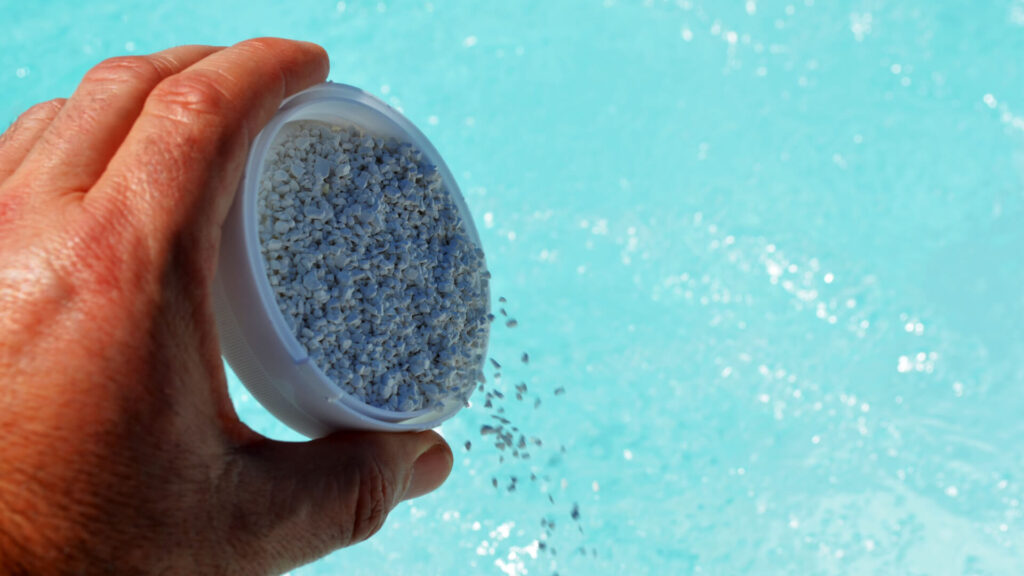
Shocking a pool means adding a large dose of chlorine or a non-chlorine oxidizer to the water to kill bacteria, destroy algae, and break down chloramines that make the water smell bad and irritate your eyes. Pool owners in Jefferson, Georgia and across North Georgia should shock their pool once a week during swim season, plus after heavy use, storms, and at the start and end of the season. This guide walks you through every step of how to shock a pool the right way, covers the types of pool shock you can use, and answers the most common questions pool owners have about the process.
How to Shock a Pool Step by Step
Shocking a pool step by step involves testing the water, choosing the right shock product, calculating the dose, preparing the chemicals, and adding them to the pool at the right time. According to the Pool & Hot Tub Alliance, the United States is home to 10.7 million swimming pools, and the vast majority are residential. Every one of those pools needs regular shock treatments to stay safe and clean.
Here is the full process broken down into clear steps that any pool owner in the Jefferson, Georgia area can follow.
What Should You Do Before Shocking Your Pool?
Before shocking your pool, you should test the water, balance the pH, and clean the pool surfaces. Start by using a test kit or test strips to check your free chlorine, combined chlorine, pH, and alkalinity levels. Your pH should be between 7.2 and 7.6 before you add any shock. If the pH is too high, the chlorine will not work as well. If it is too low, you risk damaging pool surfaces.
Skim the surface of the pool to remove leaves and debris. Brush the walls, floor, and coves to knock loose any algae that may be clinging to those surfaces. Vacuum any sediment sitting on the bottom. Many homeowners across North Georgia skip this step, but it makes a big difference. Shock works best when it can focus on killing bacteria and algae in the water instead of fighting through a layer of dirt and debris.
Keeping your pool clean before a shock treatment is a key part of regular pool cleaning services that protects your investment and keeps the water safe for your family.
What Time of Day Should You Shock Your Pool?
The best time of day to shock your pool is at dusk or after the sun goes down. Sunlight breaks down unstabilized chlorine very quickly. According to research published by the National Center for Biotechnology Information, ultraviolet rays can reduce free available chlorine levels by up to 90% within two hours of direct sun exposure. Adding shock at night gives the chemicals a full 8 to 12 hours to work without interference from UV rays.
Pool owners in Jefferson and surrounding areas like Athens, Braselton, and Gainesville deal with long, hot summer days. That strong Georgia sunshine will burn off your shock treatment fast if you add it during the afternoon. Always wait until evening.
How Do You Calculate How Much Pool Shock to Use?
You calculate how much pool shock to use based on your pool’s water volume and the type of shock product you are using. The general rule is 1 pound of calcium hypochlorite shock per 10,000 gallons of water for a standard maintenance dose. If your pool is green or heavily contaminated, you may need to double or even triple that amount.
To find your pool’s volume, multiply the length by the width by the average depth, then multiply that number by 7.5 for a rectangular pool. A typical 15,000-gallon pool in North Georgia would need about 1.5 pounds of cal-hypo shock for a routine treatment. According to Jobera, pool owners in the United States spend about $87.50 per month on pool chemicals, and shock treatments make up a significant portion of that cost.
Always read the label on your specific shock product. Different products contain different percentages of available chlorine, which changes the dosage. Calcium hypochlorite products typically range from 65% to 73% available chlorine.
Should I Run a Pump When Shocking a Pool?
Yes, you should run a pump when shocking a pool. The pump and filter system circulates the shock throughout the entire body of water, making sure it reaches every corner of the pool. Without circulation, the shock will settle in one area and leave the rest of the pool untreated.
Run your pump for at least 6 to 8 hours after adding shock. Many pool professionals recommend running it for a full 24 hours for the best results. This allows the filter to catch dead algae and other contaminants that the shock treatment kills. Homeowners in the Hoschton and Buford areas who have larger pools should be especially careful to run the pump long enough to turn over the full volume of water at least once.
If your pump or filter is not working properly, that is a sign you may need pool repair before your next shock treatment can be fully effective.
Do You Just Pour Shock Directly Into the Pool?
Whether you pour shock directly into the pool depends on the type of shock you are using. Calcium hypochlorite shock should be pre-dissolved in a 5-gallon bucket of warm water before adding it to the pool. This prevents granules from settling on the pool floor and bleaching or damaging vinyl, fiberglass, or painted surfaces.
Fill the bucket about three-quarters full with warm pool water. Add the measured amount of shock and stir gently for 15 to 30 seconds until it dissolves as much as possible. Then, with the pump running, slowly pour the solution around the edges of the pool. Work your way around the entire perimeter for even distribution.
Sodium dichlor shock dissolves quickly and can often be broadcast directly over the water surface. Non-chlorine shock can also be added directly. Always check the manufacturer’s label for specific instructions on your product.
Is It Better to Put Shock in Skimmer or Directly in Pool?
It is better to put shock directly in the pool, not in the skimmer. Adding concentrated shock through the skimmer can damage your filtration system, corrode the pump, and create dangerous chemical reactions if there are chlorine tablets already sitting in the skimmer basket. The CDC has documented cases where mixing incompatible pool chemicals led to toxic chlorine gas exposure that sent people to the emergency room.
According to a CDC report on pool chemical injuries, an estimated 4,876 people visited emergency departments in a single year due to pool chemical injuries in the United States. Almost half of those patients were under 18 years old. Many of these injuries happened because people handled or mixed chemicals incorrectly. Always add shock directly to the pool water, never through the skimmer.
What Are the Different Types of Pool Shock?
The different types of pool shock are calcium hypochlorite, sodium dichlor, potassium monopersulfate (non-chlorine shock), and liquid sodium hypochlorite. Each type has its own strengths, and choosing the right one depends on your pool type, water chemistry, and what problem you are trying to solve.
What Is Calcium Hypochlorite Pool Shock?
Calcium hypochlorite pool shock, also called cal-hypo, is the most popular and powerful type of granular chlorine shock. It typically contains 65% to 73% available chlorine, which makes it extremely effective at killing algae and bacteria. Cal-hypo is unstabilized, meaning it does not contain cyanuric acid and will be broken down by sunlight. That is why it must be added at night.
Cal-hypo does add a small amount of calcium to your water, about 0.8 ppm of calcium for every 1 ppm of free chlorine you add, according to Swim University. Pool owners in the Jefferson area should monitor calcium hardness levels regularly. For vinyl or fiberglass pools, calcium hardness should stay between 175 and 225 ppm. For concrete or plaster pools, keep it between 200 and 275 ppm.
Can You Shock a Pool With Just Liquid Chlorine?
Yes, you can shock a pool with just liquid chlorine. Liquid chlorine, also known as sodium hypochlorite, is a fast-acting pool shock that dissolves instantly and does not need to be pre-mixed. It typically comes in a 12.5% concentration, which is much stronger than household bleach at around 5% to 6%.
Liquid chlorine does not add calcium or cyanuric acid to the water, which makes it a good choice for pools that already have high levels of either one. The downside is that it has a short shelf life and loses strength over time. It is also heavier and bulkier to store. Many commercial pools and professional pool cleaning operations prefer liquid chlorine because it is easy to dose precisely.
How Much Clorox to Shock Pool?
You can use regular unscented household bleach (like Clorox) to shock a pool, but it takes a lot more product because household bleach is only about 5.25% to 8.25% sodium hypochlorite. For a 10,000-gallon pool, you would need roughly 1 gallon of standard 6% bleach to raise the free chlorine level by about 6 ppm. For a proper shock treatment where you need to reach 10 ppm or higher, you may need 2 or more gallons per 10,000 gallons of water.
Dedicated pool shock products are a better value and more effective for regular shock treatments. Household bleach works in a pinch, but it is not the most efficient option for pool owners managing ongoing maintenance.
| Type of Pool Shock | Available Chlorine | Dose per 10,000 Gallons | Best For | Wait Time Before Swimming |
|---|---|---|---|---|
| Calcium Hypochlorite (Cal-Hypo) | 65% to 73% | 1 lb | Algae blooms, routine shock | 8+ hours (until FC drops to 1-4 ppm) |
| Sodium Dichlor (Di-Chlor) | 55% to 62% | 1 lb | Saltwater pools, vinyl liners | 8+ hours (until FC drops to 1-4 ppm) |
| Potassium Monopersulfate (Non-Chlorine) | 0% (oxidizer only) | 1 lb | Weekly oxidation, quick swim | 15 minutes |
| Liquid Sodium Hypochlorite | 12.5% | 1 gallon | Commercial pools, quick dissolve | 8+ hours (until FC drops to 1-4 ppm) |
Sources: Leslie’s Pool Supplies product data, Swim University chemical guides, Clear Comfort pool treatment research
Can You Over Shock Your Pool?
Yes, you can over shock your pool. Adding too much shock raises the free chlorine level far above the safe range, which can bleach vinyl liners, damage pool equipment, corrode metal fixtures, and make the water dangerous for swimmers. The CDC recommends that swimmers only enter the pool when free available chlorine levels are between 1 and 4 ppm. The World Health Organization states that swimming can resume once the free available chlorine level drops below 5 ppm.
Over-shocking also wastes money. According to Jobera, Americans spend about $87.50 per month on pool chemicals. Dumping excessive amounts of shock raises costs without improving water quality. Stick to the recommended dosage on the product label and test the water before adding more.
What Happens If You Go in a Pool That Was Just Shocked?
If you go in a pool that was just shocked, you risk skin irritation, eye burning, and respiratory problems from high chlorine levels. The CDC reports that combined chlorine (chloramines) and elevated free chlorine can both cause eye irritation, skin rashes, and breathing difficulties, especially in children and people with asthma or other respiratory conditions.
Always test the water before swimming after a shock treatment. The free chlorine level must drop back to between 1 and 4 ppm before anyone enters the pool. This usually takes 8 to 24 hours after shocking, depending on the dose and the type of product used.
Can I Swim 20 Hours After Shocking the Pool?
Yes, you can usually swim 20 hours after shocking the pool, as long as you test the water first and the free chlorine level has dropped to between 1 and 4 ppm. Most standard shock treatments dissipate within 8 to 24 hours. Heavy doses for algae treatment may take longer.
If you used a non-chlorine shock (potassium monopersulfate), you can swim in as little as 15 minutes because it does not raise chlorine levels. For chlorine-based shocks, the 20-hour mark is usually safe, but testing is the only way to know for sure. Families across Jefferson, Braselton, and the greater North Georgia area should keep a reliable test kit on hand at all times during swim season.
Why Won’t My Pool Clear Up After Shocking It?
Your pool will not clear up after shocking if the pH is out of range, the filter is not running long enough, there is not enough shock in the water, or the cyanuric acid level is too high. Each of these problems reduces the effectiveness of chlorine and can leave you with cloudy or green water even after treatment.
If the pH is above 7.8, chlorine loses a large portion of its killing power. Data from the National Swimming Pool Foundation shows that at a pH of 7.2, about 65% of the chlorine in the water is in the active form (hypochlorous acid). At a pH of 8.0, that drops to about 22%. This is why balancing your pH before shocking is so important.
High cyanuric acid (CYA) levels, above 80 to 100 ppm, can also lock up your free chlorine and prevent it from working. If you have been using stabilized chlorine products like dichlor or trichlor tablets all season, your CYA may have built up to a level where shocking alone cannot fix the problem. You may need to drain and refill some of the water to lower the CYA level.
Regular pool inspections can catch these imbalances before they turn into bigger problems that cost more time and money to fix.
How Long Does It Take for Shock to Clear a Pool?
Shock typically takes 8 to 24 hours to clear a pool that is slightly cloudy. A pool with a mild green tint may take 24 to 48 hours with proper filtration. A heavily green pool with a full algae bloom can take 3 to 5 days of repeated shock treatments and continuous filtration to fully clear.
The speed of clearing depends on how much shock you use, how well your filter is working, and whether your water chemistry is balanced. Pool owners in the North Georgia area dealing with a green pool after a stretch of summer thunderstorms should plan on running the filter 24 hours a day until the water is clear. After the water clears, you may need to backwash or clean the filter since dead algae will clog it up.
Will Shock Turn a Green Pool Clear?
Yes, shock will turn a green pool clear when you use enough of it and run the filter continuously. A green pool means algae has taken hold. You need to hit it with a heavy dose of calcium hypochlorite, often 2 to 3 times the normal amount, to kill all the algae. After the algae dies, it turns gray or white and either sinks to the bottom or gets caught in the filter.
You will likely need to vacuum the dead algae from the pool floor and clean or backwash the filter multiple times during this process. If the pool is very dark green, you may need to shock it again after 24 hours. Keep testing the water throughout the process. The free chlorine level needs to stay elevated until all the algae is dead.
Does Shocking a Pool Raise pH?
Yes, shocking a pool with calcium hypochlorite does raise pH. Cal-hypo has a pH of about 10.4 to 10.8, so it will push your pool’s pH up after each treatment. This is one reason why testing and adjusting pH before and after shocking is so important.
Non-chlorine shock and sodium dichlor have less impact on pH. Liquid chlorine (sodium hypochlorite) has a high pH of about 13, so it also raises pH temporarily, but the effect is smaller because the chemical breaks down quickly. Pool owners who shock weekly should expect to adjust their pH regularly to keep it in the ideal 7.2 to 7.6 range.
How Long Should I Run the Filter After Shock?
You should run the filter for at least 6 to 8 hours after shocking your pool. For best results, run it for 24 hours. The filter needs enough time to circulate the treated water through the entire pool at least once. Most residential pools in North Georgia have a turnover rate of 8 to 12 hours, meaning it takes that long for all the water to pass through the filter one time.
Running the filter also helps distribute the shock evenly, which prevents hot spots of high chlorine concentration that could damage surfaces. If you are treating a green pool or dealing with a heavy algae bloom, keep the filter running continuously until the water is completely clear.
What to Do After Shocking a Pool?
After shocking a pool, keep the pump and filter running, test the water chemistry after 8 hours, brush the walls and floor again to knock off any remaining algae, and do not swim until the free chlorine level drops to between 1 and 4 ppm. Also, avoid covering the pool with an automatic safety cover immediately after shocking, because concentrated chlorine can damage cover materials.
Check the pH level after the shock has circulated. If it has risen above 7.6, add pH decreaser to bring it back into range. Inspect the filter pressure gauge. If pressure has risen by 8 to 10 psi above the clean starting pressure, it is time to clean or backwash the filter.
Pool owners across Athens, Oakwood, and Winder who want to stay on top of post-shock maintenance can rely on a consistent pool cleaning schedule to keep the water balanced all season long.
How Often Should You Shock a Pool?
You should shock a pool once every 1 to 2 weeks during the swimming season. According to the Pool & Hot Tub Alliance, regular weekly shocking is one of the most effective ways to prevent algae growth and maintain healthy water chemistry. On top of that, you should also shock the pool after any of these events: heavy rain or storms, pool parties with lots of swimmers, extended periods of hot sunny weather, and at the beginning and end of the pool season.
Data from the CDC shows that 208 outbreaks associated with treated recreational water were reported in the United States between 2015 and 2019. Cryptosporidium caused 76 of those outbreaks, resulting in nearly 2,500 cases of illness. While Cryptosporidium is extremely chlorine-tolerant, regular shocking helps control bacteria, algae, and other common contaminants that threaten water quality.
For pool owners preparing for the season, a professional seasonal opening service includes a thorough shock treatment as part of getting the water swim-ready.
Do I Need to Shock My Pool in the Winter?
Yes, you should shock your pool in the winter, even if it is closed and covered. Algae can still grow in cold water, especially during mild winters common in North Georgia. A winterization shock before closing helps prevent algae from taking over during the off-season. If your pool stays open year-round in the Jefferson area, continue shocking every 2 to 4 weeks during the cooler months.
For covered and closed pools, adding 1 ounce of calcium hypochlorite per 5,000 gallons of water every 3 to 4 weeks will help maintain a small chlorine residual that keeps algae and bacteria in check. Homeowners who prepare their pool properly for winter save significant time and money when spring rolls around. A thorough pool closing service includes the right chemical treatment to protect the water through the off-season.
Should I Vacuum My Pool Before I Shock It?
Yes, you should vacuum your pool before you shock it. Vacuuming removes sediment, debris, and dead algae from the pool floor. If you shock without vacuuming first, the chlorine has to work harder to fight through all that organic material before it can sanitize the water. This wastes chemical product and reduces the effectiveness of the treatment.
Brushing the walls and floor before shocking is equally important. Algae can attach firmly to surfaces, and brushing loosens it so the shock can kill it. According to pool industry data, homeowners in the United States spend between $3,000 and $6,000 per year on pool maintenance. Making each shock treatment as effective as possible by prepping the pool properly helps you get the most out of every dollar.
What Happens If You Swim in a Pool With Too Little Chlorine?
If you swim in a pool with too little chlorine, you are exposed to harmful bacteria, viruses, and parasites that can cause illness. The CDC recommends maintaining a free chlorine level of at least 1 ppm at all times to keep the water safe. When chlorine drops below that level, pathogens like E. coli, Giardia, and Pseudomonas can survive and multiply in the water.
According to CDC data, free available chlorine at 1 ppm and a pH of 7.5 can inactivate most bacteria like E. coli in less than 1 minute. But without that minimum chlorine level, those same bacteria can thrive. Low chlorine also allows algae to bloom, turning the water green and creating slippery surfaces that increase the risk of falls. Families in the greater Jefferson, Georgia area should test their water at least twice a week during the summer to make sure chlorine levels stay in the safe range.
Where Is the Best Place to Put Shock in a Pool?
The best place to put shock in a pool is around the perimeter, pouring slowly along the edges of the deep end while the pump is running. This allows the water circulation to distribute the shock evenly throughout the pool. If you are using granular shock that you have pre-dissolved in a bucket, walk slowly around the full perimeter of the pool while pouring.
Never dump all the shock in one spot. Concentrated chlorine in one area can bleach surfaces, especially vinyl liners and fiberglass finishes. Also, never add shock through the skimmer. Pour it directly into the open water. If any undissolved granules settle on the pool floor, use a pool brush to sweep them around and help them dissolve.
What Is the Proper Way to Shock a Pool?
The proper way to shock a pool is to follow these steps in order. First, test the water and balance the pH to between 7.2 and 7.6. Second, clean the pool by skimming, brushing, and vacuuming. Third, put on safety gear including gloves and goggles. Fourth, calculate the correct dose of shock based on your pool volume. Fifth, pre-dissolve the shock in a bucket of warm water if using calcium hypochlorite. Sixth, pour the solution slowly around the pool perimeter with the pump running. Seventh, run the pump for at least 8 hours. Eighth, test the water again and do not swim until free chlorine is between 1 and 4 ppm.
Following this process every time protects your pool surfaces, keeps the water safe, and makes sure you are not wasting chemicals. Pool owners across North Georgia who want to get their custom pool looking its best all season long should make this routine a weekly habit.
How Long Should Shock Last in a Pool?
Shock should last in a pool for about 24 to 48 hours before the free chlorine level drops back to the normal range of 1 to 3 ppm. If you used unstabilized shock like calcium hypochlorite and added it during the day, it can burn off in as little as 2 hours due to UV exposure. That is why shocking at night is critical.
Cyanuric acid acts as a sunscreen for chlorine and helps stabilized shock products last longer. However, too much CYA (above 80 to 100 ppm) actually reduces chlorine’s effectiveness. Finding the right balance, keeping CYA between 30 and 50 ppm for most residential pools, helps each shock treatment last as long as possible.
What Is Breakpoint Chlorination?
Breakpoint chlorination is the point where you have added enough free chlorine to the pool to completely destroy all the combined chlorine (chloramines) in the water. According to The Home Depot’s pool resource guide, the goal of shocking is to raise the free chlorine level to about 10 times the combined chlorine level. Once you reach that breakpoint, the chloramines are broken apart and the free chlorine can begin building up a sanitizing residual in the water.
For example, if your test kit shows a combined chlorine level of 0.5 ppm, you need to raise the free chlorine to at least 5 ppm to hit breakpoint. If you do not reach breakpoint, the chloramines will remain in the water, continuing to cause that strong “pool smell,” eye irritation, and skin problems. A strong chlorine smell does not mean the pool is clean. It actually means there are too many chloramines and the pool needs to be shocked.
Frequently Asked Questions
How Often Should Pool Owners in Jefferson, Georgia Shock Their Pool During Summer?
Pool owners in Jefferson, Georgia should shock their pool once a week during the summer. Georgia summers bring heat, humidity, and frequent afternoon storms that all increase the demand for chlorine. After heavy rain or a busy pool party, add an extra shock treatment. The CDC reports that about two-thirds of pool chemical injuries in the United States happen between Memorial Day and Labor Day, so following proper shocking procedures during peak season is especially important.
Can You Shock a Saltwater Pool?
Yes, you can shock a saltwater pool. Saltwater pools generate their own chlorine through a salt chlorine generator, but they still need occasional shock treatments. Use sodium dichlor shock for saltwater pools because it is compatible with the system. Avoid calcium hypochlorite in saltwater pools because the added calcium can damage the salt cell and increase calcium hardness to problem levels. About 10% of residential pools in the United States are saltwater, according to industry estimates.
Is It Safe to Shock a Pool During a Georgia Thunderstorm?
It is not safe to shock a pool during a thunderstorm because lightning and wet conditions create serious safety risks when handling chemicals. Wait until the storm passes and the weather is calm. After the storm, that is actually a great time to shock because rain dilutes the chlorine and introduces contaminants. Pool owners in North Georgia communities like Braselton, Gainesville, and Monroe should plan on shocking after every major storm during the summer months.
What Are the 3 C’s of Pool Cleaning?
The 3 C’s of pool cleaning are circulation, chemistry, and cleaning. Circulation means running your pump and filter to keep water moving. Chemistry means testing and balancing pH, chlorine, alkalinity, and other levels. Cleaning means skimming, brushing, and vacuuming to remove debris and algae. When all three work together, your pool stays clear and safe. Homeowners in Jefferson who stay consistent with these three steps spend less on emergency treatments and repairs over the course of a season.
How Long After Shock Do I Add Chlorine?
You should wait at least 24 hours after shocking before adding regular chlorine tablets or other routine chemicals. Let the shock circulate fully and the free chlorine level drop back toward the normal 1 to 3 ppm range first. Adding more chlorine on top of a fresh shock treatment wastes chemicals and can push levels dangerously high. Test the water before adding anything else.
Is It Normal to Lose 1/2 Inch of Water a Day in a Pool?
Losing up to 1/4 inch of water per day from evaporation is normal for pools in hot climates like North Georgia. Losing 1/2 inch per day may be normal on extremely hot and windy days, but if it happens consistently, it could be a sign of a leak. According to the American Leak Detection company, a small pool leak of just 1/8 inch per day can waste over 100 gallons of water. If you suspect a leak, schedule a professional pool inspection to find and fix the problem before it causes structural damage.
What Is Forbidden in Most Swimming Pools?
The most common things forbidden in swimming pools include glass containers, running on the pool deck, diving in shallow water, swimming while sick with diarrhea, and bringing pets into the water. These rules exist to protect public health and prevent injuries. The CDC specifically warns that anyone with diarrhea should not enter a pool because a single incident can release millions of germs into the water. Proper shocking after any contamination event is essential to restoring safe water conditions.
Final Thoughts
Shocking your pool is one of the simplest and most important things you can do to keep the water clean, clear, and safe for your family. By following the steps in this guide, testing your water regularly, and staying on a weekly shock schedule, you can prevent algae, kill bacteria, and avoid the cloudy, foul-smelling water that comes from neglected pool chemistry. Pool owners in Jefferson, Georgia and across North Georgia who commit to this routine enjoy better water quality all season long.
If you would rather leave the water chemistry to the professionals, or if you need help getting a green pool back under control, Sandals Luxury Pools is here to help. From routine maintenance to full pool cleaning services, our team serves homeowners across Jefferson, Athens, Braselton, Gainesville, and the entire North Georgia region. Call us today at (770) 771-1839 or visit our contact page to schedule a consultation and get your pool looking its best.
