
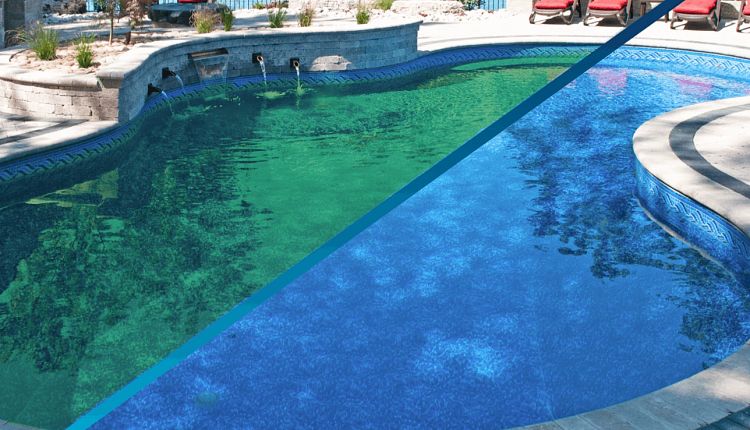
You get rid of algae in your pool by brushing the walls and floor, shocking the water with a high dose of chlorine, running the pump 24 hours a day, vacuuming out the dead algae, and balancing the water chemistry. The type of algae (green, yellow, or black) determines how aggressive the treatment needs to be. Green algae is the most common and easiest to kill. Black algae is the hardest and requires heavy scrubbing plus repeated shock treatments. This guide covers every step of the process, what causes algae to grow, how to prevent it from coming back, and when to call a professional. For pool owners in Jefferson, Georgia and across North Georgia, the warm summers create perfect conditions for algae, so acting fast is critical.
How Do I Get Rid of Algae in My Pool Quickly?
You get rid of algae in your pool quickly by following these steps in order: test and balance the water, brush all pool surfaces, shock the pool with a high dose of chlorine, run the filter 24 hours a day, vacuum the dead algae, clean the filter, and retest the water. The entire process takes 3 to 5 days for a typical green algae bloom.
Speed matters because algae multiply fast. Under warm, sunny conditions, algae can double in population within hours. A pool that looks slightly green in the morning can be dark green by the next day. According to America’s Swimming Pool Company (ASP), the average green algae bloom takes 4 to 5 days to fully clear with proper treatment.
Here is the full step-by-step process that works for most residential pools in Jefferson, Braselton, Hoschton, and the surrounding North Georgia communities.
Step 1: Test and Balance the Water
Before adding any shock or algaecide, test the water with a liquid test kit or test strips. You need to know the pH, total alkalinity, free chlorine, and cyanuric acid (stabilizer) levels. The pH should be between 7.2 and 7.6 before shocking. If pH is above 7.6, lower it with muriatic acid first.
This step is critical because chlorine is far less effective at higher pH levels. According to the National Swimming Pool Foundation’s Pool and Spa Operator Handbook, at a pH of 7.5, about 50 percent of chlorine is in its active germ-killing form. At a pH of 8.0, that drops to just 25 percent. Shocking at a high pH wastes chemical and gives the algae more time to grow.
Total alkalinity should be between 80 and 120 ppm, and cyanuric acid (stabilizer) should be between 30 and 50 ppm for outdoor pools. According to data from Pulliam Pools, without stabilizer, sunlight can destroy up to 95 percent of chlorine within the first hour. This is especially important during the bright Georgia summers when UV exposure is intense.
Step 2: Brush All Pool Surfaces
Use a pool brush to scrub the walls, floor, steps, ladders, and any other surfaces where algae is visible. Brushing breaks up the algae’s protective layer and pushes it into the open water where chlorine can reach it. Algae cling to surfaces, and if you skip this step, the shock treatment will not be fully effective.
Use a stainless steel or wire-bristled brush on concrete, plaster, and gunite pools. Use a nylon-bristled brush on fiberglass, vinyl liner, and painted surfaces. Using the wrong brush can scratch the surface and actually make it easier for algae to grow back. Homeowners with custom pool finishes should always match the brush type to the pool material.
Step 3: Shock the Pool
Shock the pool with a high dose of chlorine to kill the algae. For green algae, raise the free chlorine level to 10 to 15 ppm. For yellow (mustard) algae, aim for 15 to 20 ppm. For black algae, you may need 30 ppm or higher combined with specialized black algae killer products.
Calcium hypochlorite (cal-hypo) is the most common pool shock for killing algae. According to the Pool Training Academy, you should add the shock in the evening to avoid chlorine loss from sunlight. Pour it evenly around the pool, especially in areas where algae are concentrated. Keep the pump running to circulate the treatment.
According to the CDC, free chlorine at 1 ppm can kill most bacteria like E. coli in under a minute. But algae are tougher. They require a much higher dose sustained over a longer period to fully die. This is why a single bag of shock often is not enough for a serious algae bloom.
Step 4: Run the Pump 24 Hours a Day
Keep the pool pump running 24 hours a day until the algae is completely gone and the water is clear. Continuous filtration circulates the shock treatment, removes dead algae particles, and prevents stagnant water where algae can regrow. According to FROG Products, running the pump continuously is one of the most important steps in fighting an active algae bloom.
According to pool industry data, a pool pump should run at least 8 hours per day under normal conditions. During an algae treatment, that number doubles or triples. Do not turn the pump off until the water is completely clear and chlorine levels have returned to the normal range of 1 to 3 ppm.
Step 5: Vacuum the Dead Algae
After the shock treatment kills the algae, the dead algae will settle to the bottom of the pool as a gray or white cloud. Vacuum it out using a manual vacuum set to “waste” if your filter has a multiport valve. Vacuuming to waste sends the debris straight out of the pool instead of through the filter, which prevents clogging and recontamination.
If you vacuum through the filter, clean or backwash the filter immediately afterward. Algae spores can cling to filter media and get pushed back into the pool, undoing your work. For a heavy bloom, you may need to vacuum and backwash multiple times over 2 to 3 days.
Step 6: Clean the Filter
After vacuuming, backwash a sand or DE filter, or remove and rinse a cartridge filter. Dead algae and debris will be trapped in the filter media, and if it is not cleaned, the filter will lose efficiency and the water will stay cloudy. According to Zodiac, algae spores can survive in filters and recirculate into the pool if the filter is not thoroughly cleaned after treatment.
Homeowners in Athens and Gainesville, Georgia who have recurring algae problems should consider having their filter inspected. A worn-out or undersized filter cannot keep up with the filtration demands of a pool during peak summer. Scheduling a professional pool inspection can identify filter issues before they lead to algae blooms.
Step 7: Retest and Balance
Once the water is clear, retest the pH, chlorine, alkalinity, and stabilizer levels. Bring everything back into the ideal range. Add algaecide as a preventive measure to keep algae from returning. Continue running the pump on its normal schedule and test the water at least twice per week for the next two weeks to make sure the algae does not come back.
Why Is Algae Growing in My Pool?
Algae is growing in your pool because of low chlorine levels, poor water circulation, unbalanced pH, dirty filters, warm water temperatures, or the introduction of algae spores from wind, rain, contaminated swimsuits, or pool toys. Algae spores are everywhere in the environment. They float through the air and land in your pool constantly. The only thing stopping them from blooming is proper chlorine levels and good water chemistry.
According to the CDC, a study of metro-Atlanta pool filter backwash samples found that 58 percent contained E. coli, confirming that swimmers introduce contaminants into pool water regularly. These organic contaminants consume chlorine, and when chlorine drops below 1 ppm, algae and bacteria have a chance to grow.
High pH is another major factor. Algae thrive in alkaline water. At a pH above 7.8, chlorine effectiveness drops to 33 percent or less, according to the National Swimming Pool Foundation. This means the chlorine in your pool is working at half capacity or less, giving algae an easy opening.
In North Georgia, the warm temperatures from May through September create ideal growing conditions for algae. A pool that sits for even a few days without proper chemical maintenance can go from clear to green. Heavy rainstorms also dilute chlorine and wash debris into the pool, which is why many algae blooms appear after a storm. Homeowners who travel during the summer should schedule professional pool cleaning services to prevent algae while they are away.
Will Shocking a Pool Get Rid of Algae?
Yes, shocking a pool will get rid of algae when done correctly. Pool shock (calcium hypochlorite) is the primary weapon against algae because it delivers a massive dose of chlorine that overwhelms and kills the algae cells. For green algae, raising free chlorine to 10 to 15 ppm is usually enough. For yellow or black algae, higher doses and repeated treatments are needed.
According to the Pool Training Academy, chlorine is more effective at killing established algae than algaecides. Algaecides work best as a preventive measure, not as a cure for an active bloom. Chlorine is a powerful oxidizer that destroys algae, bacteria, and other pathogens all at once.
The key to effective shocking is pH. Always lower the pH to 7.2 to 7.4 before shocking. This puts the chlorine in its most active form and gives you the best results. Shock in the evening to prevent sunlight from breaking down the chlorine before it has time to work.
How Long Does It Take for Algae To Clear After Shock?
It takes 3 to 5 days for algae to clear after shocking a pool, depending on how severe the bloom is and how consistent the treatment is. A light green tint may clear in 24 to 48 hours with proper brushing, shocking, and filtration. A dark green or swamp-like pool can take a full week or more with repeated shock treatments and daily vacuuming.
According to ASP (America’s Swimming Pool Company), the average green algae bloom takes 4 to 5 days to clear. The water will often turn a cloudy gray or white color after the algae dies, which is a good sign. That cloudiness should clear as the filter removes the dead algae particles over the next 1 to 3 days.
If the water does not improve after 48 hours of continuous filtering and elevated chlorine levels, the problem may be a filter issue, very high phosphate levels, or a more resistant algae strain like mustard or black algae. At that point, a different treatment approach or professional help is the smart move.
Is Algaecide or Shock Better for Algae?
Shock is better for killing active algae. Algaecide is better for preventing algae from growing in the first place. If you already have a visible algae bloom, shock (chlorine) is the most effective treatment. Algaecide alone will not kill an established algae bloom fast enough to prevent it from spreading.
According to the Pool Training Academy, algaecides can introduce metals like copper into the water, which can cause staining and other issues if overused. Chlorine, on the other hand, is a multi-purpose sanitizer that kills algae, bacteria, and viruses. It is also more cost-effective than specialized algaecide products.
The best approach is to use shock first to kill the algae, then add algaecide as a weekly preventive once the water is clear. This one-two punch keeps algae from returning. Many pool cleaning professionals in the Jefferson, Georgia area follow this exact protocol during the swim season.
Why Is Algae in My Pool but Chlorine Is High?
Algae can appear in a pool even when chlorine tests high because of high cyanuric acid (stabilizer) levels, high phosphate levels, poor circulation, or the presence of chlorine-resistant algae strains like mustard or black algae. A high chlorine reading on a test strip does not always mean the chlorine is doing its job.
Cyanuric acid (CYA) is the most common culprit. CYA protects chlorine from UV breakdown, which is good up to a point. But when CYA levels climb above 80 to 100 ppm, it locks up the chlorine and prevents it from killing algae and bacteria effectively. According to the Council for the Model Aquatic Health Code (CMAHC), the free chlorine to cyanuric acid ratio (FC:CYA) is what determines actual chlorine effectiveness, not the raw chlorine number alone.
Phosphates are another cause. Phosphates are nutrients that feed algae, and they enter pools through tap water, landscaping runoff, fertilizers, leaves, and even some pool chemicals. High phosphate levels (above 500 ppb) give algae a food source that helps it grow even in properly chlorinated water. A phosphate remover can help in these situations.
Poor circulation creates dead zones in the pool where water is stagnant and chlorine does not reach. Corners, behind ladders, and areas far from the return jets are common trouble spots. If algae keeps appearing in the same spot, there is likely a circulation problem. Homeowners near Winder and Dacula who notice algae in the same location should have their return jets and pump assessed during a pool repair visit.
Does Chlorine Kill Algae in a Pool?
Yes, chlorine kills algae in a pool. Chlorine is the most effective and widely used sanitizer for destroying pool algae. The active ingredient in chlorine, hypochlorous acid (HOCl), oxidizes the algae cells and breaks them apart. According to Pool Research, about 95 percent of swimming pools in the United States use chlorine as their primary sanitizer.
For chlorine to kill algae effectively, the free chlorine level must be high enough (10 to 15 ppm for green algae, higher for resistant types), the pH must be in the 7.2 to 7.6 range, and the water must be circulating so the chlorine reaches all areas of the pool. Simply adding a normal daily dose of chlorine will not kill an active bloom. You need a shock-level dose.
How Long Does Chlorine Take To Remove Algae?
Chlorine takes 24 to 72 hours to kill green algae at shock level (10 to 15 ppm) with continuous filtration. Yellow algae takes 3 to 5 days with repeated shock treatments. Black algae can take 1 to 2 weeks of aggressive brushing, shocking, and specialized treatment. The timeline depends on the severity of the bloom, the type of algae, and how consistently the pool owner follows the treatment steps.
The water may not look clear immediately after the algae dies. Dead algae turns the water a cloudy gray or white color. This is normal. The filter will remove the dead particles over the next 24 to 48 hours. Using a water clarifier after the chlorine level drops below 5 ppm can speed up this process by clumping the tiny particles together so the filter can catch them more easily.
Can You Swim in a Pool With Algae on the Bottom?
No, you should not swim in a pool with algae on the bottom. Algae itself is not directly toxic in most cases, but it creates a dangerous environment. Algae makes pool surfaces slippery, which increases the risk of falls and injury. It also harbors harmful bacteria like E. coli and Pseudomonas aeruginosa.
A CDC study of metro-Atlanta swimming pools found that 58 percent of pool filter samples contained E. coli and 59 percent contained Pseudomonas aeruginosa, a bacteria that causes skin infections and ear infections. These bacteria thrive in the same low-chlorine, high-organic conditions that allow algae to grow.
Black algae is especially concerning because it is actually cyanobacteria, which can produce cyanotoxins. According to Leslie’s Pool Supplies, cyanotoxins can cause nausea, stomach cramps, and in extreme cases, liver damage if contaminated water is swallowed. No one should swim in a pool that has visible black algae.
Algae also reduces visibility in the water, making it harder to see swimmers who may be in distress. According to Zodiac, poor visibility in a green pool is a genuine safety hazard, especially for young children. Wait until the water is completely clear and chlorine levels are back in the 1 to 3 ppm range before anyone gets back in.
What Kills Algae in a Pool Without Chemicals?
There is no reliable way to kill an active algae bloom in a pool without chemicals. UV pool sanitizer systems and ozone generators can help reduce algae growth as part of a secondary sanitation system, but they cannot replace chlorine for treating an existing bloom. Manual brushing and vacuuming will remove visible algae from surfaces, but without a chemical sanitizer, the algae will grow right back.
Robotic pool cleaners and manual vacuuming can physically remove algae from the pool floor and walls, but this does not kill the spores in the water. The only proven way to fully eliminate algae and prevent it from returning is to shock the pool with chlorine and maintain proper chemical levels going forward.
Some pool owners ask about using baking soda to kill algae. Baking soda does not kill algae. It raises total alkalinity and has a minimal effect on pH. According to ASP, baking soda can be helpful for small patches of black algae (because black algae prefer lower alkalinity environments), but it will not clear a green pool.
Should You Brush Algae Before Shocking the Pool?
Yes, you should brush algae before shocking the pool. Brushing breaks the protective outer layer that algae form on pool surfaces and pushes the algae into the open water. This makes it much easier for the chlorine shock to penetrate and kill the algae. Skipping this step means the shock has to work harder and takes longer to be effective.
According to Leslie’s Pool Supplies, brushing is especially critical for black algae and mustard algae, both of which have strong defenses against chemical treatment. Black algae grow deep roots into porous pool surfaces like plaster and gunite, and their protective outer layer can block chlorine from reaching the root system. Vigorous brushing with a stainless steel brush is the only way to expose the algae to the chemicals.
Brush every surface of the pool, including the walls, floor, steps, behind ladders, and inside the skimmer opening. Focus extra attention on corners and areas with poor water flow. After brushing, add the shock immediately so the chlorine hits the algae before it can reattach.
Should I Drain My Pool To Get Rid of Algae?
No, you do not need to drain your pool to get rid of algae in most cases. Shocking, brushing, vacuuming, and filtering will clear even severe algae blooms without draining. Draining a pool is risky because it can damage the pool structure. According to pool industry guidelines, an empty concrete or fiberglass pool can shift, crack, or pop out of the ground due to hydrostatic pressure from groundwater.
The only time draining may be necessary is if the total dissolved solids (TDS) are extremely high, the cyanuric acid level is above 100 ppm and cannot be diluted down, or the water is so contaminated that chemical treatment is not practical. In those rare cases, a partial drain and refill (draining 25 to 50 percent) is usually enough to bring the chemistry back into a treatable range.
Homeowners in Jackson County and Barrow County should never drain a pool without consulting a professional first. The clay soils common in North Georgia can shift when saturated, and an empty pool is at risk of structural damage. A professional pool repair team can assess whether draining is safe for your specific pool.
Can a Dirty Filter Cause Algae?
Yes, a dirty filter can cause algae by reducing water circulation and filtration efficiency. When the filter is clogged with debris, dirt, and dead algae, it cannot properly clean the water. This creates stagnant conditions that allow algae spores to take hold and multiply.
A pool filter should be cleaned or backwashed regularly throughout the swim season. Cartridge filters should be hosed off every 2 to 4 weeks and deep-cleaned with a filter cleaner at least once per season. Sand filters should be backwashed when the pressure gauge reads 8 to 10 psi above the clean starting pressure. DE filters need backwashing and fresh DE recharging on a similar schedule.
According to pool industry data, the average pool pump should run at least 8 hours per day to properly circulate and filter the water. If the pump is running but the filter is dirty, the water is circulating but not being cleaned. This is one of the most overlooked causes of algae in residential pools across North Georgia.
What Does Algae Look Like in the Bottom of a Pool?
Algae in the bottom of a pool looks different depending on the type. Green algae appears as a slimy green film or cloudy green water. It can coat the floor, walls, and steps with a slippery layer. Yellow (mustard) algae looks like sand, dirt, or pollen on the bottom and sides of the pool. It is often mistaken for debris rather than a living organism. Black algae looks like small dark spots or patches on the pool floor and walls, especially on rough, porous surfaces like plaster or gunite.
Green algae is the most common type and makes the water visibly green. According to Zodiac, it can appear within hours under the right conditions. Mustard algae is chlorine-resistant and brushes off easily but returns quickly if not treated aggressively. Black algae has deep roots and a protective outer layer, making it the hardest to remove completely.
If you see any discoloration on the pool floor, test the water immediately. Early detection makes treatment faster and cheaper. A quick brush test can help identify the type: if it brushes off easily and floats into the water, it is likely green or mustard algae. If it does not brush off easily and feels rough, it is probably black algae.
Algae Types: Identification and Treatment Comparison
| Feature | Green Algae | Yellow (Mustard) Algae | Black Algae |
|---|---|---|---|
| Appearance | Slimy green film, cloudy green water | Sand-like yellow or brown patches | Dark spots with raised heads on surfaces |
| Common Location | Everywhere: walls, floor, water | Shady areas, low-circulation spots | Porous surfaces: plaster, gunite, grout |
| Difficulty To Remove | Easiest | Moderate (chlorine-resistant) | Hardest (deep roots, protective layer) |
| Shock Level Needed | 10 to 15 ppm free chlorine | 15 to 20 ppm free chlorine | 30+ ppm free chlorine |
| Brush Type | Nylon (vinyl/fiberglass), Wire (plaster) | Nylon or wire depending on surface | Stainless steel wire brush required |
| Treatment Time | 1 to 3 days | 3 to 5 days | 1 to 2 weeks |
| Algaecide Needed | Optional (preventive) | Yes (mustard-specific algaecide) | Yes (black algae killer product) |
| Health Risk | Slip hazard, harbors bacteria | Harbors bacteria, skin irritation | Cyanotoxins possible, do not swim |
Sources: Leslie’s Pool Supplies, Pool Training Academy, Zodiac, ASP (America’s Swimming Pool Company), CDC, FROG Products
How To Get Rid of Algae in a Pool Quickly DIY
You get rid of algae in a pool quickly with a DIY approach by testing the water, lowering pH to 7.2, brushing all surfaces, triple-shocking the pool in the evening, running the pump 24 hours a day, vacuuming to waste the next morning, cleaning the filter, and retesting. Repeat the shock and vacuum cycle for 2 to 3 days until the water is clear.
“Triple shocking” means adding three times the normal shock dose. For a standard 15,000-gallon pool, that means about 3 pounds of calcium hypochlorite shock. This raises the free chlorine high enough to overwhelm the algae. Always add shock in the evening so sunlight does not degrade it before it works.
The DIY approach works well for light to moderate green algae. For severe blooms (dark green or swamp-like water), yellow algae, or black algae, professional treatment is often faster and more cost-effective. Pool professionals have access to commercial-grade chemicals and equipment that can clear a pool in less time with less risk of damage to the surface or equipment.
Homeowners across Braselton, Hoschton, and Commerce who want to tackle algae themselves should keep a stock of shock, algaecide, a good test kit, and a stiff pool brush on hand all season. Those who prefer to leave it to the pros can schedule routine pool cleaning services to prevent algae before it starts.
How To Prevent Algae From Growing in Your Pool
You prevent algae from growing in your pool by maintaining proper chlorine levels (1 to 3 ppm), keeping pH between 7.2 and 7.6, running the pump at least 8 hours per day, brushing the pool weekly, cleaning the filter regularly, and using a maintenance dose of algaecide. Prevention is always cheaper, easier, and faster than treatment.
According to pool industry data, the average annual cost of pool maintenance chemicals is around $800, while a single severe algae treatment can require $100 to $300 in shock, algaecide, and clarifier products alone, plus hours of labor. Staying ahead of algae saves both money and time.
Test the water at least twice per week during the swim season. Pay special attention after heavy rain, pool parties, or extended periods of hot weather, as all three deplete chlorine faster than normal. Keep leaves, grass, and other debris out of the pool with regular skimming and a quality pool cover when the pool is not in use.
For pools with water features like natural waterfalls, bubblers, and deck jets, keep the features running during the hottest part of the day to improve circulation. Good circulation prevents the dead zones where algae love to grow.
Scheduling a professional seasonal pool opening in the spring sets the foundation for an algae-free summer. A proper opening includes a thorough cleaning, full chemical balance, filter inspection, and the first shock treatment of the season.
Why Is My Pool Shock Not Killing Algae?
Your pool shock is not killing algae because the pH is too high, the cyanuric acid level is too high, the shock dose was too low, the pump is not running long enough, or you are dealing with chlorine-resistant algae like mustard or black algae. Any one of these factors can make a shock treatment ineffective.
High pH is the most common cause. At a pH of 8.0, only about 25 percent of the chlorine is active, according to the National Swimming Pool Foundation. That means three-quarters of the shock you added is doing almost nothing. Always bring pH down to 7.2 to 7.4 before shocking.
High cyanuric acid (above 80 to 100 ppm) locks up the chlorine and prevents it from working at full strength. According to the CMAHC, the effective chlorine in a pool with 50 ppm CYA and 2 ppm free chlorine is only about 1 percent HOCl, compared to 50 percent in an unstabilized pool. If CYA is too high, partial draining and refilling is the only way to bring it down.
Underdosing is another mistake. A single bag of shock may raise the chlorine by a few ppm, which is not enough to kill an active bloom. You need to reach at least 10 to 15 ppm of free chlorine for green algae. Always calculate the dose based on your pool volume, not guesswork.
How To Get Pool Crystal Clear After Algae Treatment
You get your pool crystal clear after algae treatment by continuing to run the filter 24 hours a day, vacuuming dead algae from the bottom, backwashing or cleaning the filter, and adding a water clarifier once the chlorine drops below 5 ppm. The clarifier binds tiny dead algae particles together into larger clumps that the filter can trap.
If the water is still cloudy after 48 hours of continuous filtration, check the filter pressure. If it is 8 to 10 psi above the clean baseline, the filter is full and needs to be cleaned again. Multiple backwash cycles may be needed after a heavy algae treatment.
A pool flocculant (floc) is another option for very cloudy water. Floc causes all the suspended particles to sink to the bottom in a thick layer, which you then vacuum to waste. This bypasses the filter entirely and can clear the water in a matter of hours. However, it does waste water and requires refilling afterward.
Homeowners in Jefferson and Braselton who want their pool crystal clear for a weekend event or party should plan the algae treatment at least 5 to 7 days in advance. Rushing the process often leads to a pool that looks better but still has lingering chemistry issues.
Frequently Asked Questions
How Fast Can Algae Grow in a Pool in Jefferson, Georgia?
Algae can grow very fast in a pool in Jefferson, Georgia, especially during the hot summer months from June through September. Under the right conditions, including warm water, sunlight, and low chlorine, a clear pool can turn green in as little as 24 to 48 hours. The combination of high temperatures and humidity in North Georgia creates perfect conditions for algae to bloom rapidly. Test the water at least twice per week during peak season to catch problems early.
Is It Safe To Swim in a Green Pool?
No, it is not safe to swim in a green pool. Green water means chlorine levels are too low and algae is actively growing. According to a CDC study of metro-Atlanta pools, 58 percent of tested pool filter samples contained E. coli. Algae itself creates slippery surfaces that increase fall risk, and the bacteria that thrive alongside algae can cause skin infections, ear infections, and gastrointestinal illness. Wait until the water is clear and chlorine is between 1 and 3 ppm before swimming.
Can Sandals Luxury Pools Help With Algae Problems?
Yes. Sandals Luxury Pools provides pool cleaning, maintenance, and repair services for homeowners across Jefferson, Georgia and the surrounding communities including Braselton, Hoschton, Athens, Gainesville, and Winder. The team can treat active algae blooms, clean and inspect filters, balance water chemistry, and set up a maintenance plan to prevent algae from returning.
What Is the Cheapest Way To Kill Algae in a Pool?
The cheapest way to kill algae in a pool is to use liquid chlorine (sodium hypochlorite) or calcium hypochlorite granular shock, both of which are widely available and cost-effective. A gallon of liquid chlorine costs about $4 to $6, and a 1-pound bag of cal-hypo shock costs about $5 to $8. Combined with brushing and running the pump, this is the most affordable treatment for green algae. Specialty algaecides and flocculants add to the cost but are not always needed for mild blooms.
Should I Close My Pool if I Cannot Get Rid of Algae?
No, closing a pool with active algae will make the problem worse. Without sunlight, circulation, and chemical treatment, the algae will continue to grow in stagnant water under the cover. If you are struggling to clear an algae bloom on your own, the best step is to call a professional for help. A professional pool cleaning service has the tools and experience to clear even the worst algae infestations. In the fall when the pool season ends, a proper pool closing service prevents algae from developing over the winter.
Do I Need To Replace My Pool Water After a Bad Algae Bloom?
No, you usually do not need to replace your pool water after a bad algae bloom. Shocking, vacuuming, and filtering will clear the water without draining. The only exceptions are if the cyanuric acid level is above 100 ppm, the total dissolved solids are extremely high, or the water is so contaminated that chemical treatment cannot bring it back into balance. In those cases, a partial drain and refill (25 to 50 percent) is usually enough.
How Can I Prevent Algae During a North Georgia Heat Wave?
You prevent algae during a North Georgia heat wave by increasing your chlorine dose slightly, running the pump longer (10 to 12 hours per day), testing the water every other day, brushing the pool twice per week, and adding a maintenance dose of algaecide. Warm water accelerates chlorine consumption and creates ideal conditions for algae growth. Keeping ahead of the chemistry during extreme heat is the best defense.
Final Thoughts
Getting rid of algae in your pool comes down to four things: proper chlorine levels, balanced pH, good circulation, and consistent maintenance. Green algae is common and easy to treat when caught early. Yellow and black algae require more aggressive treatment but can still be eliminated with the right approach. The warm North Georgia climate makes algae prevention a priority for every pool owner in Jefferson, Braselton, Hoschton, and the surrounding communities. Stay on top of weekly testing, keep the pump running, and act fast at the first sign of green.
If algae has taken over your pool or you want to prevent it from ever happening, Sandals Luxury Pools is here to help. From custom pool builds designed with optimal circulation to professional pool cleaning and maintenance, the team keeps pools across Jefferson, Georgia and all of North Georgia crystal clear. Contact Sandals Luxury Pools today to schedule a cleaning, inspection, or consultation and get your pool back to looking its best.
