
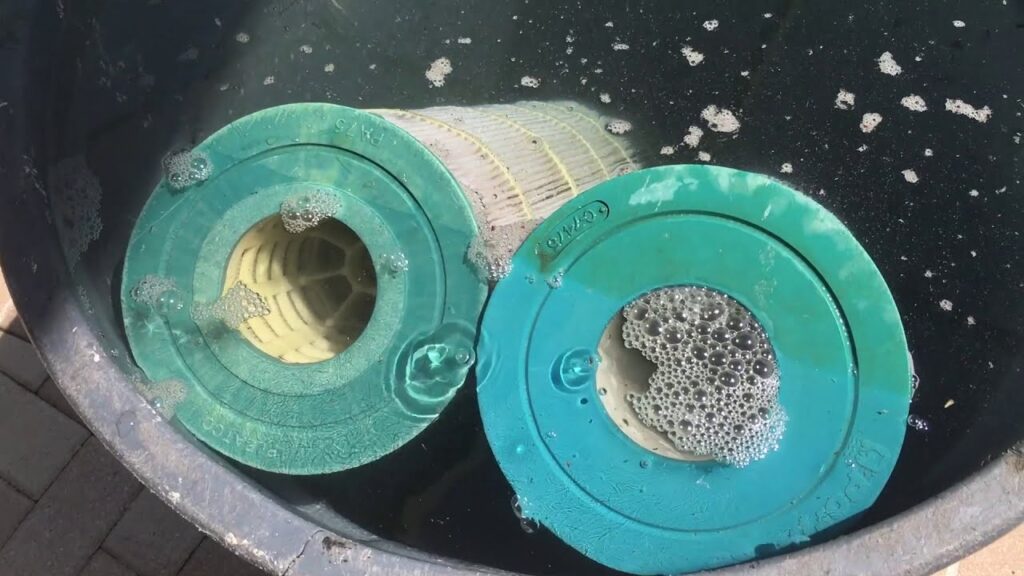
The best way to clean a cartridge pool filter at home is to remove it from the housing, rinse it with a garden hose at a 45-degree angle to flush debris from the pleats, and then soak it overnight in a cleaning solution for a deep clean. For routine cleaning, a hose rinse is enough. For oil and grease buildup, soak in a commercial filter cleaner or a solution of one cup dish soap to five gallons of water. For calcium and mineral deposits, soak in a 1:20 mixture of muriatic acid to water for about one hour. For a natural alternative, soak overnight in a 1:1 mixture of white vinegar and water. This guide shows homeowners in Jefferson, Georgia exactly when and how to clean their cartridge filter to keep pool water crystal clear all season.
What Is the Best Way to Clean a Cartridge Pool Filter?
The best way to clean a cartridge pool filter is a three-level approach: routine hose rinsing every 2 to 4 weeks, a chemical soak every 3 to 4 months, and a muriatic acid soak once or twice a year for mineral deposits. According to Swim University, a pool education resource, a simple hose rinse handles surface debris, while a chemical soak removes the oils, greases, and organic matter that get trapped deep inside the pleats. Muriatic acid addresses calcium and mineral scaling that builds up over multiple cleaning cycles.
The key to cartridge filter longevity is cleaning it before it becomes severely clogged. According to Atomic Filters, when the filter pressure gauge reads 8 to 10 psi above the clean starting pressure, it is time to clean. Waiting too long causes the pleats to collapse under pressure, which permanently damages the cartridge and shortens its lifespan. A well-maintained cartridge lasts 2 to 3 years before needing replacement. A neglected one may fail in a single season.
Homeowners in the Jefferson, Georgia area who keep up with monthly rinses and quarterly soaks rarely need to replace their cartridges prematurely. Regular pool cleaning services include filter maintenance as part of every visit, ensuring the filter never reaches the point of severe clogging.
How Often Should You Clean a Pool Filter Cartridge?
You should clean a pool filter cartridge every 2 to 4 weeks during swim season by rinsing it with a garden hose. A deeper chemical soak should be done every 3 to 4 months, or whenever the hose rinse alone does not bring the pressure gauge back to normal. According to Pool Research, cleaning every 2 to 6 weeks is standard for most residential pools, with the exact frequency depending on pool usage, debris load, and environmental conditions.
Pools surrounded by trees, heavy pollen (common in the North Georgia spring), or pools with high bather loads need more frequent cleaning. Pools that see only light weekend use may go 4 to 6 weeks between rinses. After any algae bloom, heavy storm, or large pool party, clean the filter immediately regardless of the regular schedule. According to The Pool Factory, an increase of 10 psi or more above normal operating pressure is the clearest signal that the cartridge needs attention.
How to Clean a Cartridge Pool Filter: Step by Step
Step 1: Turn Off the Pump and Relieve Pressure
Turn off the pool pump and disable any timers to prevent the system from restarting during cleaning. Open the air relief valve on top of the filter housing to release any built-up pressure. This step is critical for safety. Never open the filter housing while the system is under pressure.
Step 2: Remove the Cartridge
Open the filter housing by removing the lock ring, clamps, or bolts (check your owner’s manual for your specific model). Lift the cartridge straight out. If the filter has multiple cartridges, remove them all. Note the orientation so you can reinstall them correctly.
Step 3: Rinse With a Garden Hose
Set the cartridge on a flat surface where water can drain. Using a garden hose with a nozzle set to a moderate spray, rinse the cartridge from top to bottom at a 45-degree angle. Work your way around the cartridge, flushing debris from between each pleat. According to Family Handyman, spraying at an angle pushes debris out of the pleats rather than driving it deeper in. Do not use a pressure washer. The force will damage the filter media and shorten the cartridge’s life.
Step 4: Inspect the Cartridge
After rinsing, inspect the cartridge for tears, cracks, crushed or collapsed pleats, frayed end caps, and loose bands. If the cartridge shows physical damage, replace it. According to Pool Research, signs that a cartridge needs replacement include persistent high pressure even after thorough cleaning, cloudy water that does not clear, and visible damage to the pleats or end caps. A replacement cartridge typically costs $30 to $150 depending on size and brand.
Step 5: Reinstall or Deep Clean
If the hose rinse brought the cartridge back to a clean appearance and the pressure returns to the normal starting level after reinstalling, you are done. If the cartridge still looks discolored, feels slimy, or the pressure stays elevated, proceed to a deep chemical soak.
How to Deep Clean a Pool Cartridge Filter
Deep cleaning a pool cartridge filter involves soaking it in a cleaning solution to dissolve oils, grease, sunscreen, body oils, and organic matter that a hose rinse cannot remove. According to Swim University, the process requires a container large enough to fully submerge the cartridge (a 5-gallon bucket for small cartridges or a clean plastic trash can for larger ones).
Option A: Commercial Filter Cleaner
Use a commercial cartridge filter cleaner following the manufacturer’s instructions for dilution and soak time. Most products call for 4 to 8 ounces of cleaner per gallon of water. Submerge the cartridge and let it soak for 3 to 8 hours, or overnight for heavily soiled filters. After soaking, rinse thoroughly with a garden hose. According to INYOPools, a pool equipment retailer, commercial cleaners are formulated to target the specific types of buildup found in pool filters and are the safest option for most homeowners.
Option B: Vinegar Soak (Natural Method)
Mix a 1:1 solution of white distilled vinegar and water in the soaking container. Submerge the cartridge and let it soak for at least 4 hours, preferably overnight. According to Pool Research, vinegar is especially effective at dissolving calcium buildup. After soaking, rinse the cartridge thoroughly. Vinegar is safe for the filter media, non-toxic, and does not require special safety equipment. Homeowners in the Athens and Jefferson area who prefer a chemical-free approach find vinegar to be an effective and affordable option for routine deep cleaning.
Option C: Muriatic Acid Soak (For Heavy Mineral Deposits)
For cartridges with heavy calcium or mineral scaling that vinegar cannot remove, a muriatic acid soak is the most effective method. According to Family Handyman, mix 1 part muriatic acid to 20 parts water in a plastic container. Always add acid to water, never water to acid. Wear chemical-resistant gloves, splash-proof goggles, and a respirator. Submerge the cartridge and let it soak for about one hour, or until the bubbling stops. Remove the cartridge, rinse thoroughly with a hose, and allow it to dry before reinstalling.
According to the Trouble Free Pool community, a critical rule is to never acid-soak a cartridge that has not been degreased first. Oil and grease trapped in the pleats will bond permanently with the filter media when exposed to acid, causing irreversible damage. Always do a soap or commercial cleaner soak first, rinse completely, and then do the acid soak as a separate step.
After any acid treatment, a pool inspection can verify that the cartridge and the rest of the filtration system are functioning properly.
Cartridge Filter Cleaning Methods Comparison Table
| Method | Best For | Soak Time | Cost | Safety Gear Needed |
|---|---|---|---|---|
| Garden Hose Rinse | Routine debris, leaves, dirt | 15 to 30 minutes | Free | None |
| Commercial Filter Cleaner | Oils, grease, sunscreen, body oils | 3 to 8 hours (overnight ideal) | $10 to $20 | Gloves |
| White Vinegar (1:1 with water) | Calcium, mineral deposits, algae | 4+ hours (overnight ideal) | $3 to $5 | None |
| Muriatic Acid (1:20 with water) | Heavy calcium and mineral scale | ~1 hour (until bubbling stops) | $10 to $15 | Gloves, goggles, respirator |
| TSP (Trisodium Phosphate) | Heavy oil and grease buildup | 24 hours | $5 to $10 | Gloves |
Sources: Swim University, Family Handyman, INYOPools, Pool Research, Atomic Filters, Trouble Free Pool
Can I Use Dawn to Clean My Pool Filter Cartridge?
You should not use Dawn dish soap directly in your pool filter or pool water because it creates foam and suds that are extremely difficult to rinse completely from the filter pleats. Any soap residue left in the cartridge will foam up when the pump runs, causing bubbles in the pool and potentially clogging the filter media. However, some pool professionals recommend a very diluted solution of one cup of liquid dish soap to five gallons of water as a degreasing pre-soak for heavily soiled cartridges, rinsed thoroughly afterward. According to Fox Pools, a pool service company, this diluted solution can help remove stubborn oils from sunscreen and body products before a deeper cleaning step.
The safer option for most homeowners is to use a commercial pool filter cleaner that is specifically formulated to dissolve oils without leaving residues. These products are designed for the unique materials used in pool cartridge filters and rinse clean without the foaming issues of household dish soap.
Can I Use Vinegar to Clean My Pool Filter?
Yes, you can use vinegar to clean your pool filter. White distilled vinegar is an effective, non-toxic cleaning agent that dissolves calcium deposits, mineral scale, and mild algae buildup on cartridge filters. According to Pool Research, soak the cartridge in a 1:1 solution of white vinegar and water for at least 4 hours, or overnight for best results. After soaking, rinse the cartridge thoroughly with a garden hose to remove all loosened debris and vinegar residue.
Vinegar works best on calcium carbonate deposits (the white, flaky type). It is less effective on calcium silicate (the harder, gray type) and on oil-based buildup from sunscreen and body products. For those types of contamination, a commercial cleaner or TSP soak is more effective. Vinegar is a great choice for homeowners in the Braselton, Hoschton, and Jefferson area who want a safe, chemical-free maintenance option between deeper cleans.
How Much Muriatic Acid to Clean Pool Filter Cartridge?
The standard ratio of muriatic acid for cleaning a pool filter cartridge is 1 part acid to 20 parts water. According to both Swim University and Family Handyman, this ratio provides enough acid strength to dissolve mineral deposits without damaging the filter media. For a 5-gallon bucket, that means about 1 cup (8 ounces) of muriatic acid added to approximately 5 gallons of water. For larger containers, scale the ratio accordingly.
Always add the acid to the water, never the other way around. Work in a well-ventilated area and wear gloves, goggles, and a respirator. Submerge the cartridge, let it soak until the bubbling stops (usually about one hour), then remove and rinse thoroughly. According to The Pool Factory, after an acid soak, you can neutralize any remaining acid on the cartridge by briefly rinsing it with a baking soda and water solution before the final hose rinse. This extra step protects the filter media and prevents acid residue from affecting pool water chemistry when the cartridge is reinstalled.
Will a Dirty Pool Filter Cause Algae?
Yes, a dirty pool filter can cause algae because a clogged filter cannot properly circulate and filter the water. When water flow is restricted, dead spots form in the pool where algae can grow unchecked. A dirty filter also puts strain on the pump, reduces the amount of water being treated by chlorine, and allows organic debris to accumulate, all of which create the perfect conditions for an algae bloom. According to Atomic Filters, a clogged filter is an ideal breeding ground for bacteria and algae because organic matter trapped in the pleats provides food for these organisms.
Keeping the filter clean is one of the most effective ways to prevent algae. If your pool turns green despite having adequate chlorine, the filter should be the first thing you check. A clean filter, combined with balanced chemistry and proper pump run time, stops most algae problems before they start. A professional cleaning service keeps the filter maintained as part of a complete weekly care program.
How Do You Know When Your Pool Filter Cartridge Needs to Be Replaced?
You know your pool filter cartridge needs to be replaced when it can no longer maintain normal operating pressure even after a thorough cleaning (hose rinse plus chemical soak plus acid soak), when the pleats are visibly crushed, torn, or frayed, when the end caps are cracked or loose, or when the cartridge is more than 2 to 3 years old. According to Swim University, a cartridge that has been well-maintained through regular cleaning lasts 2 to 3 years. According to Pool Research, if the filter is still full of debris after a thorough cleaning, it is time for a replacement.
Other signs include cloudy pool water that does not respond to chemical balancing, a noticeable decrease in water flow from the return jets, and visible damage to the filter bands that hold the pleats together. Replacement cartridges cost $30 to $150 depending on the brand and size. Keeping a spare cartridge on hand is a smart investment. It lets you swap in a clean cartridge immediately while the dirty one soaks, keeping the pool running without interruption. A pool repair professional can recommend the correct replacement cartridge for your specific filter model.
What Is the Life Expectancy of a Pool Filter Cartridge?
The life expectancy of a pool filter cartridge is 2 to 3 years with proper maintenance, including regular hose rinsing and periodic deep cleaning. According to Swim University, taking good care of the cartridge through consistent cleaning extends its useful life. Some cartridges in lightly used pools may last up to 3 years. Heavily used pools or pools in areas with high debris loads may need replacements closer to every 1 to 2 years.
The two biggest factors that shorten cartridge life are running the pump when the filter is clogged (which collapses the pleats under excessive pressure) and using a pressure washer for cleaning (which damages the filter media). Sticking to garden hose rinses and appropriate chemical soaks, and cleaning the filter before pressure builds more than 10 psi above normal, gives the cartridge the best chance of reaching its full lifespan.
Can I Leave My Pool Filter Off for a Week?
No, you should not leave your pool filter off for a week. A pool without circulation becomes stagnant water that breeds bacteria and algae rapidly, especially in warm weather. According to the CDC, proper circulation and filtration are essential for maintaining safe, healthy pool water. Even during the off-season or when the pool is not in use, running the pump for at least 4 to 6 hours per day keeps the water circulating and prevents algae growth.
If you are going on vacation, set the pump timer to run at least 8 hours per day and have someone check the pool at least once during the week. Add extra chlorine before leaving and consider an algaecide as a preventive measure. Homeowners in the Gainesville, Winder, and Jefferson area who travel during the summer should arrange for a weekly pool maintenance visit to keep the water balanced and the filter clean while they are away.
How to Store a Pool Filter Cartridge for Winter
To store a pool filter cartridge for winter, clean it thoroughly using the full process: hose rinse, chemical soak, and acid soak if mineral buildup is present. Rinse the cartridge completely after cleaning and allow it to dry fully in a shaded area. Once dry, store it in a clean, dry location where it will not freeze, be crushed, or be exposed to rodents or insects. According to Family Handyman, storing a dirty cartridge over winter allows the buildup to harden and become nearly impossible to remove in the spring.
Some pool owners wrap the dry cartridge in a plastic bag for storage. Others store it in a large plastic bin with a lid. The important thing is that the cartridge is completely clean and completely dry before storage. Moisture left in the pleats can cause mold growth and permanent damage over the winter months. A professional pool closing service includes filter cartridge cleaning and proper storage as part of the winterization process.
What Household Items Can I Use to Clean My Pool?
Household items you can use to clean pool-related equipment (not the pool water itself) include white distilled vinegar for calcium deposits on filters and tiles, baking soda for scrubbing pool surfaces gently, a garden hose with a spray nozzle for filter rinsing, and a soft-bristle brush for tile and coping cleaning. Vinegar works well on mineral scale, and baking soda is a mild abrasive that cleans without scratching most pool surfaces.
Do not pour household cleaning products like bleach (except pool-rated sodium hypochlorite), ammonia, dish soap, or all-purpose cleaners directly into the pool water. These products can disrupt water chemistry, create dangerous chemical reactions, damage pool surfaces, and harm swimmers. For the pool water itself, only use chemicals specifically formulated for swimming pool use. For equipment cleaning, household items like vinegar and baking soda are safe and effective when used correctly.
How Much Does It Cost to Clean Pool Filters?
The cost to clean pool filters at home is minimal. A garden hose rinse is free. White vinegar costs $3 to $5 per cleaning. Muriatic acid costs $10 to $15 for enough to do multiple cleanings. Commercial filter cleaner costs $10 to $20 per bottle. If you hire a professional, pool filter cleaning typically costs $50 to $150 as a standalone service, or is included as part of a regular weekly or monthly maintenance package.
The cost of not cleaning the filter is much higher. A clogged filter forces the pump to work harder, which increases electricity costs and shortens the pump’s lifespan. A failed filter means buying a replacement cartridge ($30 to $150), and if the dirty filter caused an algae bloom, the chemical cost to treat and recover the pool can run $100 to $300 or more. Consistent cleaning is the most cost-effective maintenance habit a pool owner can have.
Frequently Asked Questions
How Often Should I Clean My Pool Filter Cartridge in Jefferson, Georgia?
You should clean your pool filter cartridge in Jefferson, Georgia every 2 to 4 weeks during swim season (April through October) with a garden hose rinse, and do a deep chemical soak every 3 to 4 months. The heavy spring pollen season in North Georgia and frequent summer thunderstorms that wash debris into pools mean filters get dirty faster than in less vegetated areas. During peak pollen weeks in March and April, you may need to rinse the cartridge weekly.
Can I Put Vinegar in My Pool Filter to Clean It?
Yes, you can clean your pool filter cartridge by soaking it in a 1:1 solution of white distilled vinegar and water for at least 4 hours, preferably overnight. Vinegar is safe, non-toxic, and effective at dissolving calcium and mineral deposits. After soaking, rinse the cartridge thoroughly with a garden hose before reinstalling. Do not pour vinegar directly into the pool water or into the filter housing while the system is running.
What Does White Vinegar Do to Pool Water?
White vinegar is an acid (acetic acid) that lowers pH and alkalinity when added to pool water. In small amounts, its effect on a large body of water is negligible. However, vinegar is not recommended as a routine pool water treatment because it is a weak acid that would require very large quantities to make a meaningful difference in a full-size pool. Muriatic acid or sodium bisulfate are the correct products for adjusting pool water pH. Use vinegar only for cleaning equipment like filter cartridges and tiles outside the pool.
Can You Mix Dawn and Vinegar to Clean a Pool Filter?
You can mix a small amount of dish soap with water for a degreasing pre-soak, and separately use vinegar for a mineral-dissolving soak, but do not mix them together in the same solution. Soap and vinegar can neutralize each other’s cleaning properties when combined. For best results, degrease with a soap or commercial cleaner solution first, rinse thoroughly, and then soak in vinegar or acid as a separate step. According to the Trouble Free Pool community, the correct order is always degrease first, then acid wash, never the reverse.
How Do I Know If My Pool Filter Is Bad Near Athens, Georgia?
You know your pool filter is bad near Athens, Georgia if the pressure gauge stays high even after a full cleaning, the pool water remains cloudy despite balanced chemistry, the filter pleats are visibly torn or collapsed, the end caps are cracked, or the cartridge is more than 3 years old. If you have cleaned the cartridge with both a commercial cleaner and a muriatic acid soak and the filter still cannot maintain normal pressure, it is time for a replacement.
What Can I Soak My Pool Cartridge Filter In to Clean It?
You can soak your pool cartridge filter in a commercial pool filter cleaner (follow label directions), a 1:1 mixture of white vinegar and water (overnight), a 1:20 mixture of muriatic acid and water (about one hour), or a TSP (trisodium phosphate) solution at 2 pounds per 5 gallons (24 hours) for heavy oil and grease. Always rinse the cartridge thoroughly after any soak before reinstalling.
Does a Seasonal Pool Opening Include Filter Cartridge Cleaning?
Yes, a professional seasonal pool opening typically includes inspecting and cleaning the filter cartridge as part of the service. The technician removes the cartridge, rinses it, checks for damage, and reinstalls it. If the cartridge is worn out or damaged from the off-season, the technician will recommend a replacement. Starting the season with a clean filter ensures the best water quality from day one.
Final Thoughts
A clean cartridge filter is the foundation of a clear, healthy pool. The good news is that cartridge filters are the easiest type to maintain at home. All you need is a garden hose, a bucket, and a few affordable cleaning products. Rinse monthly, deep-clean quarterly, and replace every 2 to 3 years, and your filter will reward you with sparkling water and trouble-free operation. For homeowners in Jefferson, Georgia and across the North Georgia area, the combination of spring pollen, summer heat, and frequent afternoon storms makes consistent filter maintenance especially important.
If your filter is not performing like it should, or if you are tired of the hands-on work of filter maintenance, Sandals Luxury Pools is here to help. Their experienced team has been serving homeowners across Jefferson, Athens, Gainesville, Braselton, and the surrounding communities for over a decade with professional pool cleaning, equipment repair, and full-service maintenance. Contact them today to schedule a consultation and let the experts handle the dirty work.
