
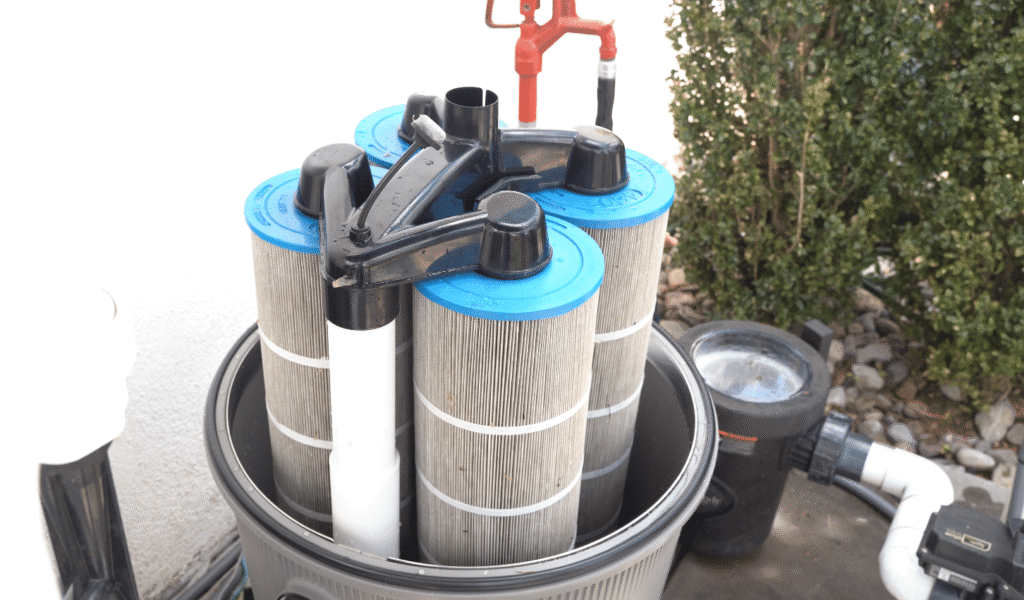
You should clean your pool filter every 4 to 6 weeks during swim season, or whenever the pressure gauge reads 8 to 10 PSI above its normal starting level. The exact schedule depends on your filter type, pool usage, surrounding trees and debris, and weather conditions. Cartridge filters need cleaning every 2 to 6 weeks, sand filters need backwashing every 4 to 6 weeks, and DE filters need backwashing about once a month. A deep clean should happen at least once or twice a year. This guide covers everything pool owners in Jefferson, Georgia and surrounding areas need to know about filter cleaning schedules, signs of a dirty filter, filter types, pump run times, and more.
How Often Should You Clean Your Pool Filter Based on Filter Type?
You should clean your pool filter based on filter type because each one traps dirt differently and builds up pressure at different rates. According to the U.S. Department of Energy, pool pumps are often the second-largest energy user in a home, which means a clogged filter forces the pump to work harder and use even more electricity. Keeping your filter clean is one of the simplest ways to save energy and protect your equipment.
Cartridge filters need to be cleaned every 2 to 6 weeks during peak swim season. These filters use a pleated fabric material to trap particles as small as 10 to 20 microns, according to industry data from In The Swim. Because the pleats collect dirt quickly, pool owners in Jefferson, Georgia who swim often or have trees near their pool may need to clean them closer to every two weeks.
Sand filters need backwashing every 4 to 6 weeks, or when the pressure gauge shows a rise of 8 to 10 PSI above the clean baseline. Sand filters capture particles down to about 20 to 40 microns, according to Medallion Energy. The sand itself lasts about 5 to 7 years before it wears smooth and needs to be replaced.
DE (diatomaceous earth) filters should be backwashed about once a month. After each backwash, you need to add fresh DE powder back into the system. DE filters provide the finest filtration of all three types, trapping particles as small as 2 to 5 microns, according to Pool Research. Homeowners who want the clearest possible water often choose this option, though it does require more hands-on care.
No matter which filter type you have, a full deep clean is recommended at least once or twice per year. Many pool owners in the North Georgia area schedule this before the start of swim season and again at closing. A professional pool cleaning service can handle these deep cleans and catch problems early.
How Do You Know When Your Pool Filter Needs to Be Cleaned?
You know your pool filter needs to be cleaned when the pressure gauge reads 8 to 10 PSI higher than its normal clean starting pressure. This is the single most reliable signal, and it applies to all three filter types. According to Pentair, one of the leading pool equipment manufacturers, the pressure gauge is designed specifically for this purpose.
Other signs your filter needs cleaning include cloudy or murky pool water, weak water flow from the return jets, visible algae growth on pool walls or floors, and an increase in the amount of debris settling on the bottom of the pool. If your water looks green or hazy even after adding chemicals, the filter is almost certainly part of the problem.
A dirty filter does not just affect water clarity. It forces the pump motor to work harder, which raises your electricity bill and shortens equipment life. According to the U.S. Environmental Protection Agency, a conventional single-speed pool pump costs an average of $400 to $500 per year to run. A clogged filter can push that number even higher. Homeowners in Jefferson and surrounding communities like Athens and Braselton who notice rising energy costs should check their filter pressure first.
Waiting too long to clean your filter also creates health risks. The CDC reported 208 outbreaks tied to treated recreational water between 2015 and 2019, many linked to poor filtration and low disinfectant levels. A clean filter is your first line of defense against harmful bacteria and parasites.
What Is the Average Lifespan of a Pool Filter?
The average lifespan of a pool filter depends on the type. Cartridge filter elements typically last 2 to 5 years before needing replacement, according to data from Prestige Pools. Sand filter media lasts about 5 to 7 years. DE filter grids can last 7 to 10 years or more with proper care. The filter housing, or tank itself, often lasts 10 to 15 years or longer if it is not exposed to excessive sunlight or harsh chemicals.
According to a study cited by South West Pools, filters in pools with properly balanced pH levels (between 7.2 and 7.6) lasted up to 3 years longer than those in pools with poor water chemistry. That same study found that professionally maintained filters lasted about 40% longer than filters cleaned only by the homeowner.
Regular cleaning is the biggest factor in how long your filter lasts. If you skip cleanings or let the pressure climb too high, the filter media breaks down faster. Pool owners across the Jefferson, Georgia area who invest in routine maintenance get significantly more life from their filters. Having a trusted team handle pool inspections on a regular basis can catch wear and tear before it becomes a costly replacement.
How Long Should You Run Your Pool Filter Each Day?
You should run your pool filter for at least 8 hours per day to complete one full water turnover. A turnover means all of the water in your pool has passed through the filter one time. According to Leslie’s Pool Supplies, the general rule for single-speed pumps is to run the pump one hour for every 10 degrees Fahrenheit of outside air temperature.
During the hot Georgia summers, when temperatures regularly climb into the 90s, many pool owners need to run their pumps for 10 to 12 hours or more. According to Riverbend Sandler Pools, summer pump run times of 12 to 16 hours per day are common because heat promotes algae growth and more swimmers bring in more contaminants.
Variable-speed pumps have changed the game for energy savings. According to the Building America Solution Center (a resource from the U.S. Department of Energy), ENERGY STAR certified variable-speed pool pumps save up to 70% on energy bills compared to conventional single-speed pumps. That adds up to roughly $350 and 2,800 kWh saved per year. These pumps can run longer at lower speeds, which actually improves filtration while using far less electricity.
Running the filter long enough each day also reduces how quickly it gets dirty. Better circulation means chemicals are distributed more evenly, debris gets captured faster, and algae has less chance to take hold. Pool owners in Gainesville, Hoschton, and other North Georgia towns who struggle with algae blooms should consider increasing their daily run time before adding more chemicals.
Why Does My Pool Filter Get Dirty So Quickly?
Your pool filter gets dirty quickly because of a combination of environmental factors, swimmer load, and water chemistry. Leaves, pollen, insects, and dust constantly blow into outdoor pools, especially in wooded areas. North Georgia is full of oak and pine trees that shed pollen heavily in spring and drop leaves in fall, which means filters in the Jefferson area tend to clog faster than pools in open, desert-like climates.
Swimmers also add a large amount of contaminants. Body oils, sweat, sunscreen, hair products, and lotions all end up in the water. These substances coat the filter media and reduce its ability to trap dirt. If you host pool parties or have kids swimming every day, your filter will need more frequent attention.
Chemical imbalances are another major cause. When pH, chlorine, or alkalinity levels drift out of range, algae and bacteria can grow rapidly. The filter then has to work overtime to remove these organisms. According to the CDC, maintaining free chlorine levels between 1 and 3 parts per million and keeping pH between 7.2 and 7.8 is critical for safe pool water.
An undersized filter will also get dirty faster. If the filter is too small for the volume of your pool, it simply cannot handle the debris load. When planning a custom pool build, making sure the filtration system is properly sized from the start prevents years of headaches down the road.
What Is the Best Way to Clean a Pool Cartridge Filter?
The best way to clean a pool cartridge filter is to turn off the pump, remove the cartridge from the housing, and rinse it thoroughly with a garden hose from top to bottom. Make sure to spray between each pleat to dislodge trapped dirt and debris. According to Hurricane Pool Filters, the more deeply you clean the cartridge each time, the longer it will last overall.
For a deeper clean, soak the cartridge in a pool-specific filter cleaning solution for 8 to 12 hours. This removes oils, lotions, and mineral buildup that a hose alone cannot reach. According to In The Swim, using a dedicated filter cleaning solution rather than household chemicals produces better results and extends cartridge life.
Never use a pressure washer on a cartridge filter. The high-pressure water stream damages the delicate pleated fabric and shortens the filter’s useful life. Also avoid using muriatic acid as a routine cleaner, as acid can break down the filter media over time. Stick with filter-specific cleaning products for the best results.
After cleaning, inspect the cartridge for tears, cracks, or flattened pleats. If the pleats are permanently compressed or the fabric is fraying, it is time for a replacement. Most cartridge elements need replacing every 2 to 3 years with regular maintenance, according to Leslie’s Pool Supplies. Pool owners who keep a spare cartridge on hand can swap them out during cleaning, which keeps the pool running while one cartridge soaks overnight.
How Often Should You Backwash and Rinse Your Pool Filter?
You should backwash and rinse your pool filter every 4 to 6 weeks, or whenever the pressure gauge rises 8 to 10 PSI above the clean starting pressure. Backwashing is the primary cleaning method for both sand filters and DE filters. It works by reversing the flow of water through the filter, flushing out trapped dirt and debris through a waste line.
According to PoolSupplies.com, sand filters typically need backwashing every 1 to 2 weeks during heavy use periods, such as the peak of summer in Georgia. After a big storm or heavy pollen season, an extra backwash is a good idea. Always follow the backwash with a rinse cycle for 30 to 60 seconds to resettle the sand before switching back to the normal filter position.
For DE filters, you need to add fresh DE powder after every backwash because the old powder gets flushed out along with the debris. Most pools need about one pound of DE per 10 square feet of filter area, but always check your filter’s manual for the exact amount. Adding too little or too much DE will reduce filtration performance.
Keep in mind that backwashing does remove water from your pool. Plan to check and top off water levels after each backwash. You will also need to retest and adjust your chemical levels since some chemicals leave with the backwash water. Scheduling a professional cleaning service in Jefferson can take this task off your plate entirely.
Can I Leave My Pool Filter Off for a Week?
No, you should not leave your pool filter off for a week. Turning off the filter and pump stops all water circulation, which allows bacteria, algae, and debris to build up rapidly. Within just a few days of no filtration, pool water can turn cloudy or green, especially in warm weather.
According to Swim University, every pool needs at least one full turnover of its water per day to stay clean and safe. Skipping even a couple of days in the summer heat of Georgia can lead to an algae bloom that takes days of extra chemicals and pump run time to fix.
If you are going on vacation, set your pump on a timer to run at least 8 hours per day while you are gone. If you have a variable-speed pump, you can program it to run at a lower speed for a longer period, which keeps the water moving while using less energy. Ask a neighbor to check the skimmer basket once or twice during the week, or schedule a pool cleaning visit to cover the days you are away.
What Happens if a Pool Filter Is Dirty?
A dirty pool filter causes cloudy water, poor chemical distribution, increased algae growth, and added strain on your pump and motor. When the filter is clogged, water cannot flow through it properly. This means contaminants stay in the pool instead of being captured by the filter media.
The pump has to push harder to force water through a clogged filter, which raises the internal pressure of the system. Over time, this extra strain can damage seals, O-rings, and even the pump motor itself. According to Pool Troopers, the non-wear parts of a filter, such as band clamps, grids, and plumbing, should last 5 to 10 years with proper care. But neglecting filter cleaning can cut that lifespan in half.
Dirty filters also create health hazards. Poorly filtered water can harbor bacteria and parasites that cause skin rashes, ear infections, and gastrointestinal illness. A CDC analysis of 120,000 pool inspections found that 1 in 8 public pools was shut down immediately due to critical health and safety violations, many related to filtration and disinfection failures.
If your pool equipment is showing signs of stress from a neglected filter, scheduling a pool repair service sooner rather than later can prevent small problems from becoming expensive ones.
How Often Must Pool Filter Sand Be Changed?
Pool filter sand must be changed every 5 to 7 years. Over time, the rough edges of the sand grains wear smooth from constant water flow. Once the sand is smooth, it can no longer trap dirt and debris effectively, and the water quality in your pool will start to decline.
According to ePoolSupply, sand filter media has a general lifespan of 7 to 10 years on the outside. However, most pool professionals recommend changing it closer to the 5-year mark for best performance. The filter tank itself can last up to 20 years if properly maintained.
Signs that your sand needs changing include consistently cloudy water even after backwashing, visible sand in the pool (which means the laterals inside the filter may be broken), and a pressure gauge that does not drop back to normal after a backwash. If you notice any of these issues in your Jefferson, Georgia pool, it may be time for a sand change or a full filter inspection.
Some pool owners are now switching from traditional silica sand to alternative media like glass beads or zeolite. According to Medallion Energy, glass filter media can trap particles as small as 3 microns, compared to 20 to 40 microns for standard silica sand. This upgrade can dramatically improve water clarity without replacing the entire filter system.
How Long Do Glass Beads Last in a Pool Filter?
Glass beads last longer than traditional sand in a pool filter, typically 7 to 10 years or more. Because glass is harder and more durable than silica sand, the beads resist wearing smooth for a longer period. They also provide finer filtration, trapping particles down to about 3 to 5 microns compared to the 20 to 40 micron range of standard pool sand.
Glass filter media is made from recycled glass that has been crushed and processed into smooth, rounded beads. According to All Filters, this alternative media can improve water clarity significantly and reduce the frequency of backwashing. Many pool professionals in North Georgia now recommend glass beads for homeowners looking for better filtration from their existing sand filter setup.
Is It Expensive to Run a Pool Pump 24 Hours a Day?
Yes, it is expensive to run a pool pump 24 hours a day if you have a traditional single-speed pump. According to the U.S. Environmental Protection Agency, a single-speed pump costs an average of $400 to $500 per year to operate. Running it around the clock would push that cost significantly higher.
However, with a variable-speed pump, the picture changes. The ENERGY STAR program reports that variable-speed pumps save up to 70% on energy costs. According to the Building America Solution Center, the payback period on the higher upfront cost is only about 1.6 years, with lifetime savings of around $2,900. These pumps can run at very low speeds for extended periods, which means 24-hour operation may actually cost less than 8 hours on a single-speed pump.
For most residential pools in the Jefferson, Georgia area, running the pump for 8 to 12 hours per day is enough to keep the water clean. There is no need to run it 24 hours unless you are dealing with an algae bloom or recovering from a storm. A properly sized filter and pump combination, installed during a custom pool build, can save thousands of dollars in energy costs over the life of the pool.
Pool Filter Type Comparison Table
| Feature | Sand Filter | Cartridge Filter | DE Filter |
|---|---|---|---|
| Filtration (Microns) | 20–40 | 10–20 | 2–5 |
| Cleaning Frequency | Backwash every 4–6 weeks | Clean every 2–6 weeks | Backwash monthly |
| Media Lifespan | 5–7 years | 2–5 years | 7–10+ years (grids) |
| Deep Clean | 1–2 times per year | 1–2 times per year | 1–2 times per year |
| Cleaning Method | Backwash + rinse | Remove, hose, soak | Backwash + add DE powder |
| Maintenance Level | Low | Moderate | High |
Sources: In The Swim, Medallion Energy, Pool Research, Leslie’s Pool Supplies, ePoolSupply
Can I Use Dawn Dish Soap to Clean My Pool Filter?
Yes, you can use Dawn dish soap to clean a pool filter cartridge, but it is not the best option. Dish soap can help remove oils, sunscreen, and grime from filter pleats. According to ABC Home & Commercial, the method involves soaking the cartridge in a mix of one cup of liquid dish soap per five gallons of warm water for 1 to 8 hours.
The problem is that dish soap can leave behind residue that causes foaming in your pool water. Some dish soaps also contain phosphates, which can promote algae growth. According to WaterTex Pools, a pool-specific filter cleaning solution is a better choice because it is designed to target the exact contaminants found on pool filters without leaving harmful residues behind.
If you do use dish soap in a pinch, rinse the cartridge extremely well before putting it back in the filter housing. Run the hose over every pleat for several minutes to remove all traces of soap. For the best long-term results, invest in a filter cleaner made specifically for pools.
How Often Should a Pool Service Technician Come Out?
A pool service technician should come out at least once a week during swim season for basic maintenance, or biweekly at minimum. According to industry standards, weekly professional service includes checking chemical levels, skimming the surface, brushing walls, emptying baskets, and inspecting equipment. This consistent care prevents small issues from becoming big, expensive repairs.
For pool owners in Jefferson, Georgia and nearby towns like Hoschton, Braselton, and Winder, professional service is especially valuable during the hot summer months when algae growth and heavy pool usage can quickly overwhelm a DIY maintenance routine. Having a professional cleaning team manage the filter, chemicals, and equipment means you spend more time swimming and less time troubleshooting.
At a minimum, every pool should get a professional inspection at least twice per year, once at opening and once at closing. A thorough pool inspection checks the filter system, pump, heater, plumbing, and water chemistry to make sure everything is working safely and efficiently.
What Will Ruin a Pool Pump?
A pool pump can be ruined by running it dry (with no water flowing through), a clogged filter that forces the motor to overwork, chemical imbalances that corrode internal parts, and electrical surges or improper wiring. Running the pump without water, even for a few minutes, can melt the pump seal and damage the motor beyond repair.
A dirty, neglected filter is one of the most common causes of pump failure. When the filter is clogged, backpressure builds up in the system. The pump motor works harder and hotter, which wears out bearings and seals much faster. According to Prestige Pools, pool pumps typically last 8 to 10 years, but poor filter maintenance can cut that lifespan significantly.
Debris in the pump basket is another killer. Leaves, sticks, and other junk that gets past the skimmer can clog the impeller and restrict flow. Check and empty the pump basket at least once a week. Pool owners in North Georgia who have lots of trees around their pool may need to check it even more often.
If your pump is making strange noises, leaking, or losing prime frequently, those are signs it needs attention. Early pool repair can often save the pump. Ignoring the warning signs usually leads to a full replacement.
Is It Normal to Lose Half an Inch of Water a Day in a Pool?
Yes, losing about a quarter inch to half an inch of water per day is normal, especially during hot summer days in Georgia. Most of this water loss comes from evaporation, which increases with higher temperatures, low humidity, wind, and direct sunlight. Splash-out from swimming and backwashing the filter also contribute to water loss.
If you are losing more than half an inch per day consistently, you may have a leak. A leak can occur in the plumbing, the pool shell, or around fittings and equipment. According to the Association of Pool & Spa Professionals, even a small leak of one inch per day can waste thousands of gallons of water per month.
One simple test is the bucket test. Place a bucket of water on the pool step, mark the water level inside and outside the bucket, and wait 24 hours. If the pool level drops more than the bucket level, you likely have a leak. Getting a professional pool inspection in Jefferson, Georgia is the fastest way to find and fix a leak before it causes serious damage.
Frequently Asked Questions
How Many Times Can You Clean Pool Filters Before Replacing Them?
You can clean pool filter cartridges many times before replacing them, but most cartridges need replacement after about 2,000 hours of use, which works out to every 1 to 3 years. According to Prestige Pools, regular cleaning extends the life of the filter, but eventually the fabric wears out and stops trapping dirt effectively. Sand filter media needs to be swapped every 5 to 7 years, and DE grids last about 7 to 10 years.
Does a Pool Filter Need to Run Every Day in Jefferson, Georgia?
Yes, a pool filter needs to run every day in Jefferson, Georgia. The warm climate and long swim season in North Georgia mean that algae and bacteria grow quickly without daily circulation. Pool owners here should run the pump at least 8 hours per day in spring and fall, and 10 to 12 hours per day or more during the hottest summer months.
What Happens if You Forget to Rinse After Backwashing?
If you forget to rinse after backwashing a sand or DE filter, dirty water and loose filter media can flow back into the pool. The rinse cycle resettles the sand or DE and flushes out any remaining debris sitting in the filter lines. Skipping this step can send a visible cloud of dirt or DE powder into your pool water. Always run the rinse cycle for at least 30 to 60 seconds after every backwash.
How Many Minutes Should I Backwash My Pool Filter?
You should backwash your pool filter for about 2 to 3 minutes, or until the water in the sight glass runs clear. Over-backwashing wastes water and chemicals. Under-backwashing leaves trapped debris inside the filter. For most residential pools in the Jefferson area, 2 to 3 minutes is the right amount of time for a thorough backwash.
How Long Can You Go Without Running Your Pool Filter?
You should not go more than 24 hours without running your pool filter. According to multiple pool industry experts, the entire volume of pool water needs to circulate through the filter at least once per day. Going longer than a day without filtration, especially in the warm Georgia climate, can lead to cloudy water, algae growth, and unsafe bacteria levels.
What Are the Symptoms of a Dirty Pool Filter?
The symptoms of a dirty pool filter are a pressure gauge reading 8 to 10 PSI above normal, cloudy or green water, weak return jet flow, visible debris settling on the pool floor, and a strong chlorine smell (which actually indicates too many chloramines, not too much chlorine). If you notice any of these signs, clean or backwash your filter right away.
When Should Jefferson, Georgia Pool Owners Schedule a Seasonal Filter Cleaning?
Jefferson, Georgia pool owners should schedule a seasonal filter cleaning in early spring before opening the pool and again in late fall before closing it. The spring cleaning removes any buildup from the off-season, and the fall cleaning prepares the system for winter. A seasonal opening service includes a full filter inspection and cleaning to start the season right.
Final Thoughts
Keeping your pool filter clean is one of the most important things you can do as a pool owner. A clean filter means clear water, lower energy bills, longer equipment life, and a safer swimming environment for your family. Whether you have a sand filter, cartridge filter, or DE filter, sticking to a regular cleaning schedule based on your pressure gauge readings will keep everything running smoothly.
Pool owners in Jefferson, Georgia and surrounding communities like Athens, Braselton, Gainesville, and Winder can count on Sandals Luxury Pools for expert pool maintenance, inspections, and repairs. If you are tired of guessing when to clean your filter or dealing with cloudy water, reach out to the team today. Schedule a consultation and let the professionals handle your pool care so you can focus on enjoying your backyard. Contact Sandals Luxury Pools for pool cleaning services and get your pool in perfect shape for the season ahead.
