
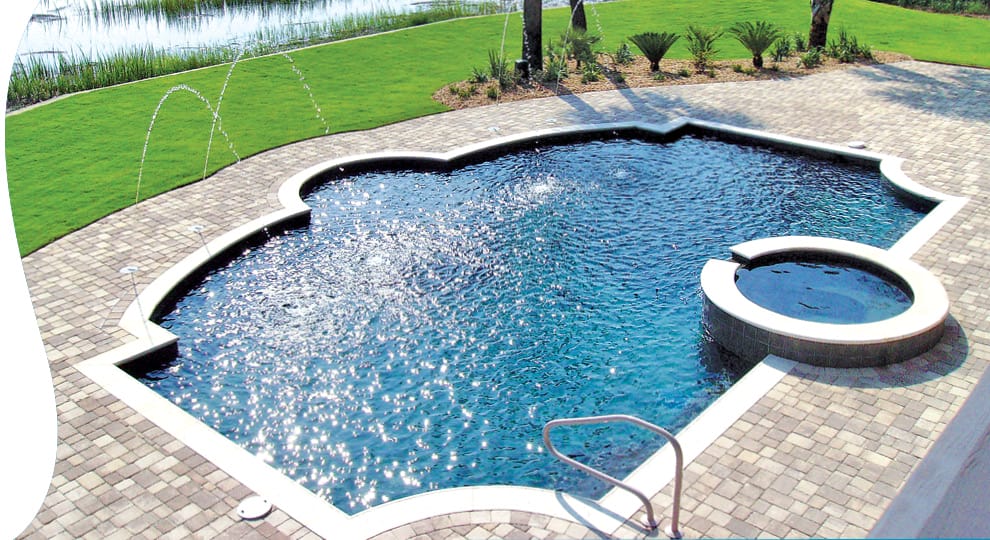
The cost to build a pool ranges from $35,000 to $120,000 for an inground pool, with most homeowners spending between $50,000 and $85,000 depending on the material, size, features, and location. In Georgia, the average inground pool costs between $60,000 and $150,000, with concrete (gunite) pools starting around $70,000. This guide breaks down every cost factor, compares pool types, answers the most common questions homeowners in Jefferson, Georgia and North Georgia ask, and helps you plan your budget with confidence.
How Much Does an Inground Pool Cost in Georgia?
An inground pool in Georgia costs between $60,000 and $150,000, depending on the size, material, and custom features you choose. According to Angi, the average inground pool in the Atlanta metro area costs about $74,546, with most homeowners spending between $53,865 and $98,360. Concrete and gunite pools sit at the higher end of this range because they offer the most design flexibility.
Georgia’s red clay soil makes excavation more challenging than in states with sandy or loamy ground. Contractors in the Jefferson, Georgia area often need specialized equipment and reinforcement to handle the dense clay, which adds to the overall project cost. Properties with sloped terrain, common throughout Jackson County and North Georgia, may also need retaining walls that add $500 to $8,000 to the total.
According to the Pool and Hot Tub Alliance, the United States has 10.7 million swimming pools, with approximately 10.4 million of those being residential. Georgia’s warm, humid climate makes it one of the most pool-friendly states in the country. Homeowners in Jefferson, Braselton, Hoschton, and surrounding communities can use their pools from April through October, and many keep them open year-round because Georgia winters are mild.
The team at Sandals Luxury Pools builds custom pools across North Georgia using shotcrete construction, which provides exceptional strength and allows for any shape, size, or design.
How Much Does a 20×20 Inground Pool Cost?
A 20×20 inground pool costs approximately $46,000 to $120,000, depending on the material and features. That size gives you 400 square feet of pool surface, which is considered a medium to large residential pool. According to HomeGuide, inground pools cost between $115 and $300 per square foot installed, which puts a 400-square-foot pool at roughly $46,000 on the low end and $120,000 on the high end.
A 20×20 pool built from concrete or gunite in North Georgia will land closer to $80,000 to $120,000 after factoring in excavation, plumbing, electrical, decking, and finish work. A fiberglass shell of similar dimensions will run $60,000 to $90,000, and a vinyl liner pool will be the most affordable at $45,000 to $70,000.
Many families in the Jefferson area choose a 20×20 or similar size because it fits well in a standard suburban backyard while still giving enough room for recreation, exercise, and entertaining guests.
Which Is Better, a Fiberglass Pool or Concrete?
Fiberglass is better for homeowners who want lower maintenance and faster installation. Concrete is better for homeowners who want full design customization and maximum durability. Both are excellent choices, but they serve different priorities.
Fiberglass pools are pre-manufactured shells that get installed in as little as 2 to 3 weeks. They have smooth, non-porous surfaces that resist algae growth, a big advantage in Georgia’s humid climate. According to River Pools, fiberglass pools cost roughly $3,800 in maintenance over 10 years, compared to nearly $27,500 for concrete pools over the same timeframe.
Concrete pools, on the other hand, offer unlimited customization. You can build any shape, depth, or size you want. Features like tanning ledges, integrated spas, grottos, and custom waterfalls are all possible with concrete. Concrete pools also last 50 years or more with proper care. The trade-off is higher upfront cost, longer installation time (8 to 12 weeks), and more ongoing maintenance because concrete’s porous surface is more prone to algae.
In North Georgia, concrete (shotcrete or gunite) pools remain the most popular choice for homeowners who want a truly custom backyard. Homeowners across Braselton, Hoschton, and Commerce often prefer concrete because it handles Georgia’s ground movement and temperature swings better than other materials.
What Is the Least Expensive Type of Inground Pool?
The least expensive type of inground pool is a vinyl liner pool. Vinyl liner pools cost between $35,000 and $80,000 to install, according to HomeGuide. They use a flexible liner over a steel or polymer frame, which keeps construction costs lower than concrete or fiberglass.
The catch is long-term cost. Vinyl liners need to be replaced every 7 to 10 years, and each replacement costs $2,000 to $7,500 according to HomeGuide data. Over 20 years, those replacements add up. Vinyl pools also have limited shape options compared to concrete and are more vulnerable to punctures and tears.
Fiberglass pools are the next most affordable option, typically costing $45,000 to $100,000 installed. They require less maintenance than either vinyl or concrete and have the lowest lifetime ownership cost. According to a 2025 survey by Thursday Pools of their Georgia dealers, a standard fiberglass pool installation in Georgia averages around $60,000 for their base models.
Does a Pool Add Value to a Home?
Yes, a pool adds value to a home. According to data from RubyHome, inground pools typically increase a home’s property value by up to 7%. The National Association of Realtors reported the median U.S. home price at $435,500 in mid-2025. A 7% increase on that figure adds roughly $30,485 in value.
The return on investment varies by location, and warm-weather states like Georgia see stronger returns than colder regions. According to Redfin, homes with pools commanded $27,199 more in value after the pandemic, up from $16,137 before 2020. Pools have the strongest impact on home value in the $400,000 and above price range, where buyers expect outdoor amenities and where maintenance costs are a smaller percentage of the overall property value.
For homeowners in Jefferson, Georgia and surrounding areas where outdoor living is a major part of the lifestyle, a well-built pool with quality features like outdoor kitchens and firepits can make a property stand out in the local market.
What Kind of Pool Can I Get for $30,000?
For $30,000, you can get a basic above-ground pool with a deck, or a very small, no-frills inground vinyl liner pool in certain markets. According to HomeAdvisor, the average cost to build an above-ground pool is $3,350, but adding a quality deck, fencing, landscaping, and equipment can push the total to $15,000 to $30,000.
Getting a full inground pool for $30,000 is difficult in most parts of the country today. According to Angi, even vinyl liner pools, the most affordable inground option, typically start at $35,000 or more. In Georgia, where red clay soil increases excavation costs, $30,000 is generally not enough for a complete inground installation.
If your budget is around $30,000, a spool (a small spa-pool hybrid) is a smart alternative. Spools cost between $5,500 and $50,000, according to HomeAdvisor, and work well for smaller backyards. They provide the look and feel of a pool at a fraction of the cost.
What Is the Most Expensive Part of Building a Pool?
The most expensive part of building a pool is excavation and the pool shell itself. Excavation alone can account for up to 50% of the total project cost, according to HomeAdvisor. In Georgia, excavation costs run between $4,000 and $7,000, with land grading adding another $500 to $8,000 depending on the terrain.
The pool shell or structure is the next major cost. Materials for an inground pool range from $20,000 to $65,000, according to HomeAdvisor, depending on whether you choose vinyl, fiberglass, or concrete. A concrete shell with a pebble or quartz aggregate finish costs the most, but it also lasts the longest.
Labor is another significant expense, making up 25% to 50% of the total project cost. In the Atlanta metro area, pool installation labor runs $50 to $150 per hour, according to Angi. Subcontractors for electrical, plumbing, and decking add to the overall labor bill. Working with an experienced custom pool builder who manages all trades under one roof saves both time and money.
What Time of Year Are Pools Cheapest?
Pools are cheapest to build during the fall and winter months, typically October through February. During the off-season, pool builders have fewer projects in the queue, which can lead to shorter wait times and sometimes lower pricing on labor and materials.
According to pool construction industry data, the busiest months for new pool builds are March through June, when homeowners want their pools ready for summer. Starting a project in the fall means your pool could be ready by early spring, right when swim season begins in North Georgia.
In Jefferson and surrounding areas, fall and winter construction is completely feasible because Georgia’s mild winters rarely cause extended work stoppages. Concrete curing times may be slightly longer in cooler temperatures, but experienced builders account for that in their scheduling.
What Shape Pool Is the Cheapest?
A rectangular pool is the cheapest shape to build. Rectangles use straight forms and standard dimensions, which reduces labor and material costs. According to Angi, a standard rectangular pool costs the national average of about $65,909, while freeform, lagoon, or infinity edge designs can push costs well above $100,000.
Kidney shapes and basic freeform curves add moderate cost because they require more skilled forming work. L-shaped pools cost slightly more than rectangles but give you the ability to create separate zones for swimming and lounging.
If budget is your top priority, a simple rectangular or oval pool with minimal features will give you the most pool for the least money. Homeowners in Braselton and Hoschton often choose rectangles for their clean, modern look that pairs well with contemporary outdoor living spaces. For those looking at pool shapes that work for small yards, compact rectangles and spools are popular choices.
How Long Does It Take to Build an Inground Pool?
An inground pool takes 8 to 12 weeks to build on average. Fiberglass pools are the fastest at 2 to 6 weeks. Vinyl liner pools take 3 to 6 weeks. Concrete or gunite pools take the longest at 8 to 12 weeks for a standard build, and up to 6 months for a highly customized project.
Permitting adds time to any pool project. In Georgia, permits can take 2 to 6 weeks to secure, depending on the county. According to Angi, permits in the Atlanta metro area start at around $25, but the processing time depends on the scope of work and local regulations.
The Sandals Luxury Pools construction process in Jefferson and North Georgia follows a clear sequence: form and excavate, install plumbing and steel, apply shotcrete, add tile and stone, pour the deck and install pebble finish, fill with water and add startup chemicals, then complete final cleanup. Each step builds on the last, and the team manages the entire process from start to finish.
What Is the Lifespan of an Inground Pool?
The lifespan of an inground pool depends on the material. Concrete pools last 50 years or more with proper maintenance. Fiberglass pools last 25 to 50 years. Vinyl liner pools last 20 to 30 years overall, though the liner itself needs replacement every 7 to 10 years.
According to RubyHome, concrete pools have the highest upfront cost but also the longest lifespan. Fiberglass offers the best balance of longevity and low maintenance. Vinyl has the lowest upfront cost but the highest long-term replacement expense.
Regular maintenance is essential for maximizing any pool’s lifespan. In Georgia’s warm climate, pools face extra stress from algae, UV exposure, and frequent use. Homeowners who invest in consistent pool cleaning services and timely pool repairs get significantly more years out of their investment.
Is It Expensive to Run a Pool Pump 24 Hours a Day?
Yes, running a pool pump 24 hours a day is expensive if you have an older single-speed pump. According to HomeGuide, the average swimming pool costs $65 to $100 per month, or $800 to $1,200 per year, just for electricity. Most homeowners see a 30% to 50% increase in their electric bills during pool season.
A variable-speed pump cuts those costs dramatically. According to the U.S. Department of Energy, variable-speed pumps use up to 80% less energy than single-speed models. Most pools only need the pump running 8 to 12 hours per day during swim season. Running it at a lower speed for longer periods is more efficient than running it at full speed for fewer hours.
Pool owners in Jefferson and North Georgia who want to keep energy costs down should consider upgrading to a variable-speed pump during pool equipment upgrades. The upfront cost is higher, but the monthly savings pay for themselves within 1 to 2 years.
How Much Does a Pool Add to Your Insurance?
A pool adds approximately $200 to $500 per year to your homeowner’s insurance, according to industry data. According to HomeGuide, liability insurance can increase your monthly pool cost by $17 to $25. Most insurance experts recommend at least $500,000 in liability coverage for pool owners.
Installing proper safety features can actually lower your insurance premium. A 4-sided fence with self-closing gates, pool alarms, safety covers, and proper lighting all reduce risk in the eyes of insurance companies. Georgia requires fencing around any inground pool deeper than 24 inches, according to Angi’s Atlanta market data.
According to RubyHome, an inground pool increases home value by 5% to 7% on average. When your home value goes up, property taxes may increase as well. Pool owners should factor both insurance and tax adjustments into their annual budget.
Does Having a Pool Make Your Water Bill Go Up?
Yes, having a pool increases your water bill by $4 to $20 per month, or roughly $45 to $245 per year, according to HomeGuide. Pools lose water to evaporation, splashing, and backwashing. A typical uncovered pool loses about a quarter inch of water per day due to evaporation alone, which adds up to roughly 22,000 gallons per year for a standard-sized pool.
Using a pool cover when the pool is not in use reduces evaporation by up to 95%. A solar cover also helps retain heat, reducing energy costs for pool owners who use heaters. In North Georgia’s hot summers, evaporation rates are higher, making pool covers especially valuable for homeowners in Jefferson, Braselton, and surrounding areas.
Can You Write Off a Swimming Pool on Your Taxes?
In most cases, you cannot write off a swimming pool on your taxes. A pool is considered a personal luxury and is not tax-deductible. However, there is one exception. If a doctor prescribes swimming or hydrotherapy as a medical treatment for a specific condition, the portion of the pool cost that exceeds the increase in your home’s value may be deductible as a medical expense.
According to IRS guidelines, the medical expense must exceed 7.5% of your adjusted gross income to qualify for a deduction. The pool must also be used primarily for medical purposes, and you need documentation from a physician. This applies to a small number of homeowners, but it is worth exploring if you have a qualifying medical condition.
For most homeowners in Georgia, the financial benefit of a pool comes not from tax deductions but from increased property value and years of personal enjoyment.
How Do People Afford to Build a Pool?
People afford to build a pool through a combination of savings, home equity loans, home equity lines of credit (HELOCs), personal loans, and pool-specific financing programs. According to RubyHome, the average inground pool costs about $65,000, which is a significant investment that most families finance rather than pay in cash.
Home equity loans and HELOCs are popular because they typically offer lower interest rates than personal loans, and the interest may be tax-deductible if the loan is used to improve the home. Pool financing programs through lenders like Lyon Financial, which Sandals Luxury Pools offers through their website, provide another option with competitive rates and flexible terms.
According to the Pool and Hot Tub Alliance, approximately 8% of U.S. households own a pool. Financing makes pool ownership accessible to a much broader range of homeowners than those who can pay cash upfront. Many families in Jefferson, Hoschton, and Braselton choose financing and begin enjoying their pools while making manageable monthly payments.
Pool Cost Comparison: Concrete vs. Fiberglass vs. Vinyl
| Factor | Concrete (Gunite) | Fiberglass | Vinyl Liner |
|---|---|---|---|
| Installation Cost | $50,000 – $120,000 | $45,000 – $100,000 | $35,000 – $80,000 |
| Lifespan | 50+ years | 25 – 50 years | 20 – 30 years (liner replaced every 7-10 yrs) |
| 10-Year Maintenance Cost | ~$27,500 | ~$3,800 | ~$15,000 (includes liner replacement) |
| Installation Time | 8 – 12 weeks | 2 – 6 weeks | 3 – 6 weeks |
| Customization | Unlimited shapes and features | Pre-made shells, limited shapes | Moderate shape options |
| Algae Resistance | Low (porous surface) | High (smooth, non-porous) | Moderate |
| Best For | Custom designs, luxury builds | Low-maintenance ownership | Budget-conscious buyers |
Sources: HomeGuide, Angi, River Pools, HomeAdvisor, Thursday Pools Georgia dealer survey 2025. Costs are national averages and may vary by region.
In Georgia, concrete pools remain the top choice for homeowners who want full creative control. According to White’s Pools in Atlanta, the price range for a concrete inground pool starts around $70,000 and can exceed $200,000 with premium features. Fiberglass has grown significantly in popularity across the Southeast over the past decade, while vinyl liner pools remain the most budget-friendly entry point into inground pool ownership.
Frequently Asked Questions
How Much Does It Cost to Build a Pool in Jefferson, Georgia?
Building a pool in Jefferson, Georgia costs between $60,000 and $150,000 for an inground concrete pool, depending on the size, features, and site conditions. Georgia’s red clay soil adds to excavation costs compared to states with softer ground. The most common pool size in the area is 12 by 24 feet, and most homeowners in the 30549 zip code choose concrete or gunite construction for its durability and design flexibility.
Can I Get an Inground Pool for $30,000 in North Georgia?
No, getting a full inground pool for $30,000 is not realistic in North Georgia. According to Angi, even basic vinyl liner pools typically start at $35,000 or more nationally. In Georgia, where excavation through red clay is more expensive, most inground projects start at $50,000 minimum. A spool or above-ground pool with a deck may be possible within a $30,000 budget.
How Much Does Annual Pool Maintenance Cost in Georgia?
Annual pool maintenance in Georgia costs between $3,000 and $6,000, including chemicals, electricity, water, repairs, and seasonal services. According to HomeGuide, monthly professional cleaning runs $80 to $150. Georgia’s extended swim season and warm temperatures mean more chemical usage and more frequent cleaning visits compared to cooler states.
Do I Need a Permit to Build a Pool in Jackson County, Georgia?
Yes, you need a building permit to build a pool in Jackson County, Georgia. Permits typically cost $25 or more, according to Angi, and the approval process can take 2 to 6 weeks. Georgia also requires fencing around inground pools deeper than 24 inches. Your pool builder handles the permitting process as part of the project.
What Is the Best Time to Start a Pool Project in Jefferson?
The best time to start a pool project in Jefferson, Georgia is fall or early winter. Starting in October or November gives your builder time to complete the project before spring swim season. Pool builders have lighter schedules during the off-season, which can mean faster timelines and sometimes lower pricing. Georgia’s mild winters allow year-round construction with minimal weather delays.
How Long Will My Pool Last in Georgia’s Climate?
A concrete pool in Georgia’s climate lasts 50 years or more with proper care. Fiberglass pools last 25 to 50 years. Georgia’s heat, humidity, and heavy rains put extra stress on pool surfaces and equipment, making regular maintenance and timely pool repairs critical. Pools with quality construction and consistent care outlast those that are neglected by decades.
Does a Pool Increase Home Value in North Georgia?
Yes, a pool increases home value in North Georgia by approximately 5% to 7%, according to data from the National Association of Realtors and RubyHome. In warm-climate states like Georgia, where pools can be used most of the year, the return is stronger than in colder regions. Homes in Jefferson, Braselton, and Hoschton with well-maintained pools and outdoor living features like spillover spas and stone patios command higher prices and sell faster.
Final Thoughts
Building a pool is one of the biggest investments you can make in your home and your quality of life. In Georgia, inground pools range from $60,000 to $150,000 depending on the material, size, and features you choose. Concrete pools offer the most customization and longest lifespan. Fiberglass offers the lowest maintenance. Vinyl provides the most affordable entry point. No matter which type you choose, the key to a successful project is working with an experienced local builder who understands Georgia’s soil, climate, and building codes.
If you are ready to turn your backyard into a private retreat, Sandals Luxury Pools is the top-rated pool builder in Jefferson, Georgia and North Georgia. With over a decade of experience in custom pool construction, hardscapes, waterfalls, spas, and outdoor living design, the team builds pools that last and backyards that homeowners love. Call (770) 771-1839 or visit the contact page to schedule a free consultation and get started on your dream pool.
