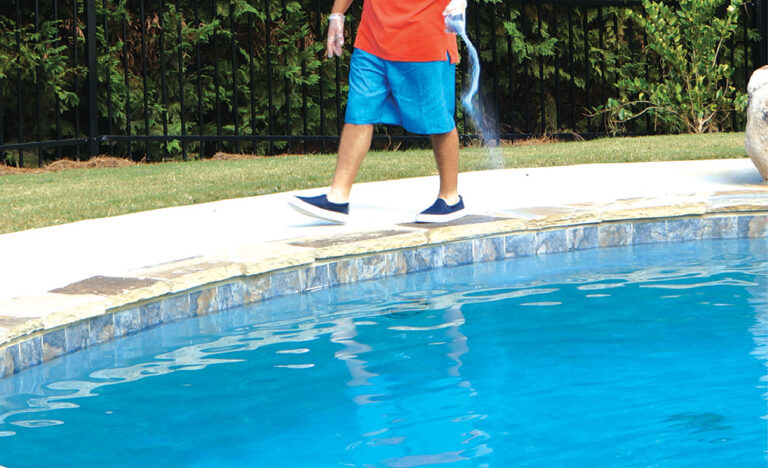
What Happens If You Never Shock Your Pool?
If you never shock your pool, your water will turn unsafe very quickly. Chlorine alone cannot keep up with the buildup of bacteria, algae, and

If you never shock your pool, your water will turn unsafe very quickly. Chlorine alone cannot keep up with the buildup of bacteria, algae, and
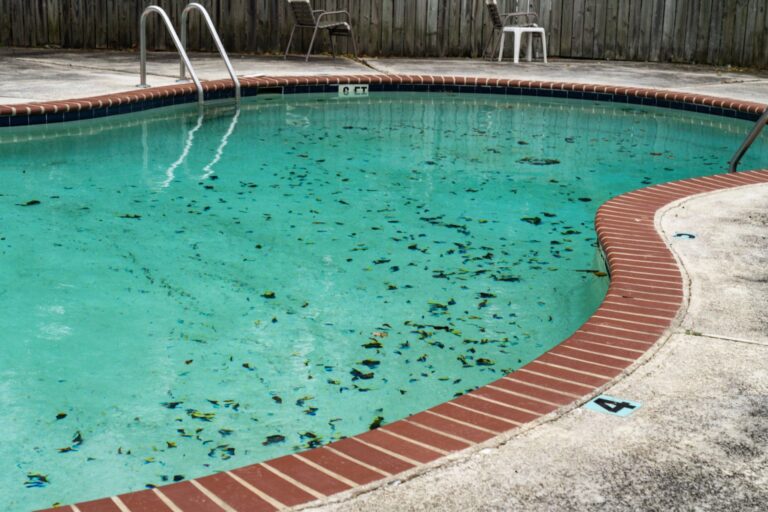
You can prevent pool stains on plaster walls by maintaining balanced water chemistry, brushing the pool regularly, removing debris quickly, using a sequestering agent to

The signs you need to replaster your swimming pool include rough or abrasive surfaces, persistent stains that will not come off, visible cracks, plaster flaking
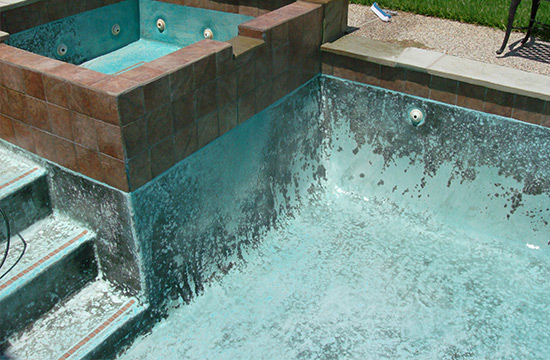
Pool resurfacing is the process of removing the old, worn interior finish of your pool and replacing it with a new surface material like plaster,
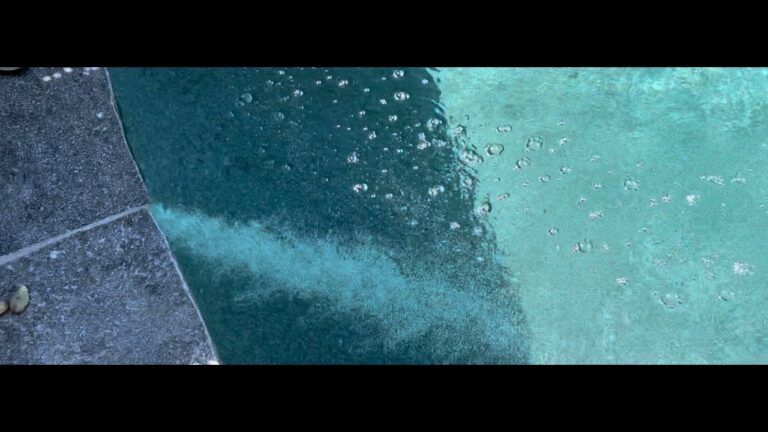
Air bubbles in your pool return lines almost always mean there is an air leak on the suction side of your pool pump. The fix
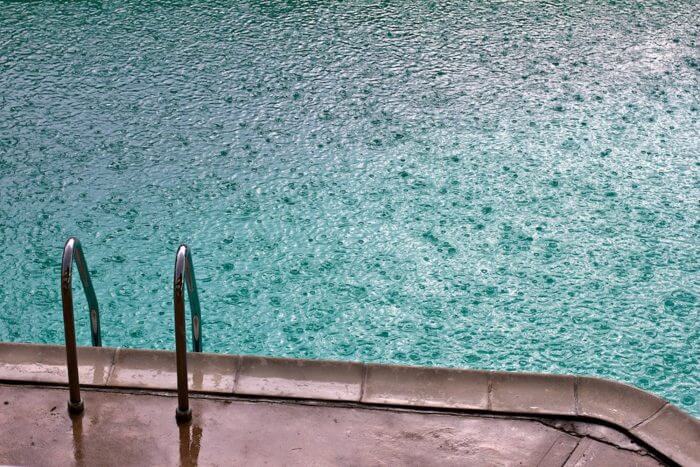
After a heavy rain hits your pool, you need to test the water chemistry, remove debris, lower the water level, and shock the pool to
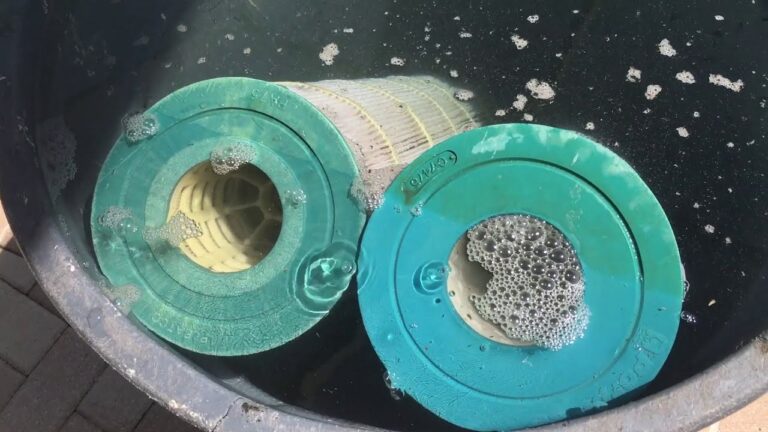
The best way to clean a cartridge pool filter at home is to remove it from the housing, rinse it with a garden hose at
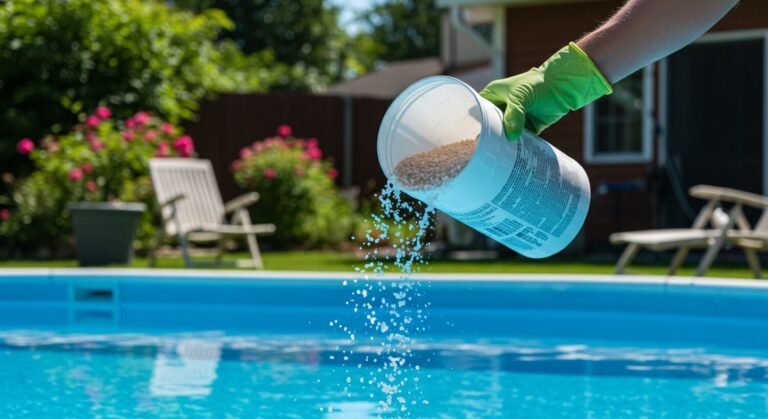
The fastest way to reduce chlorine levels in a pool is to add sodium thiosulfate (chlorine neutralizer) at a rate of 2 ounces per 10,000
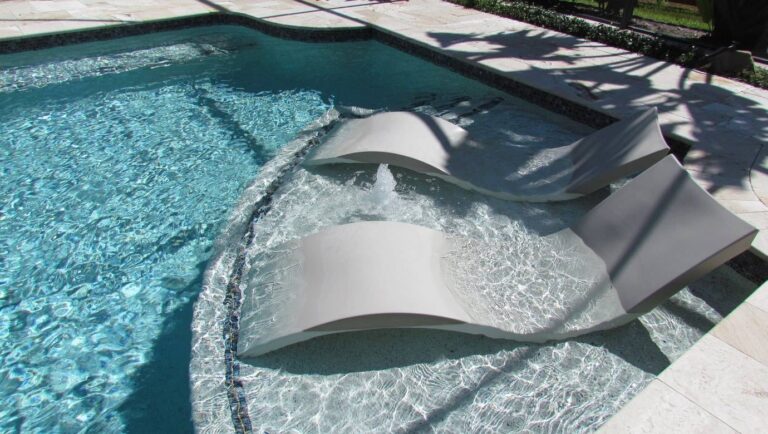
Preparing your pool for summer season involves removing and storing the winter cover, inspecting the pool and equipment for damage, cleaning debris from the water
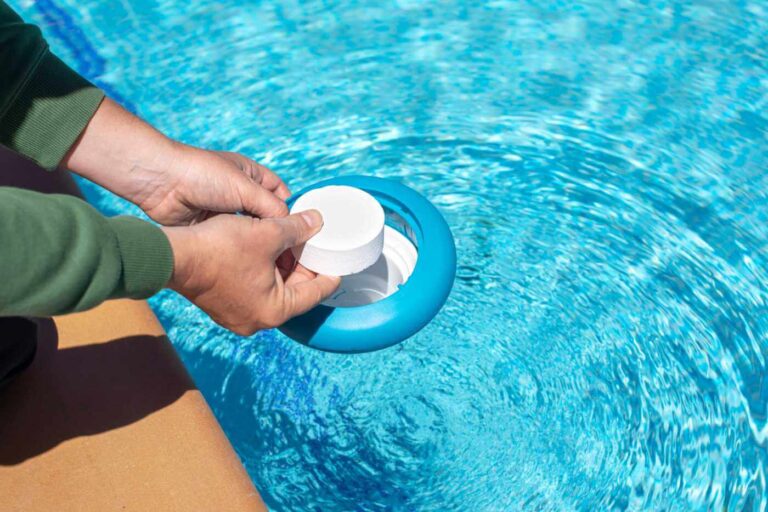
The most effective way to lower cyanuric acid (CYA) in your pool is to partially drain the water and refill with fresh water. CYA does
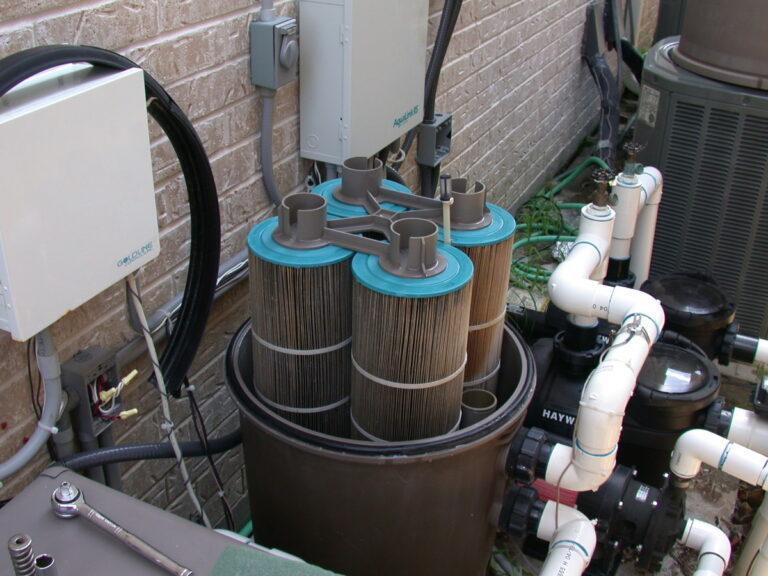
The three types of pool filters are sand filters, cartridge filters, and diatomaceous earth (D.E.) filters. Sand filters are the most affordable and easiest to
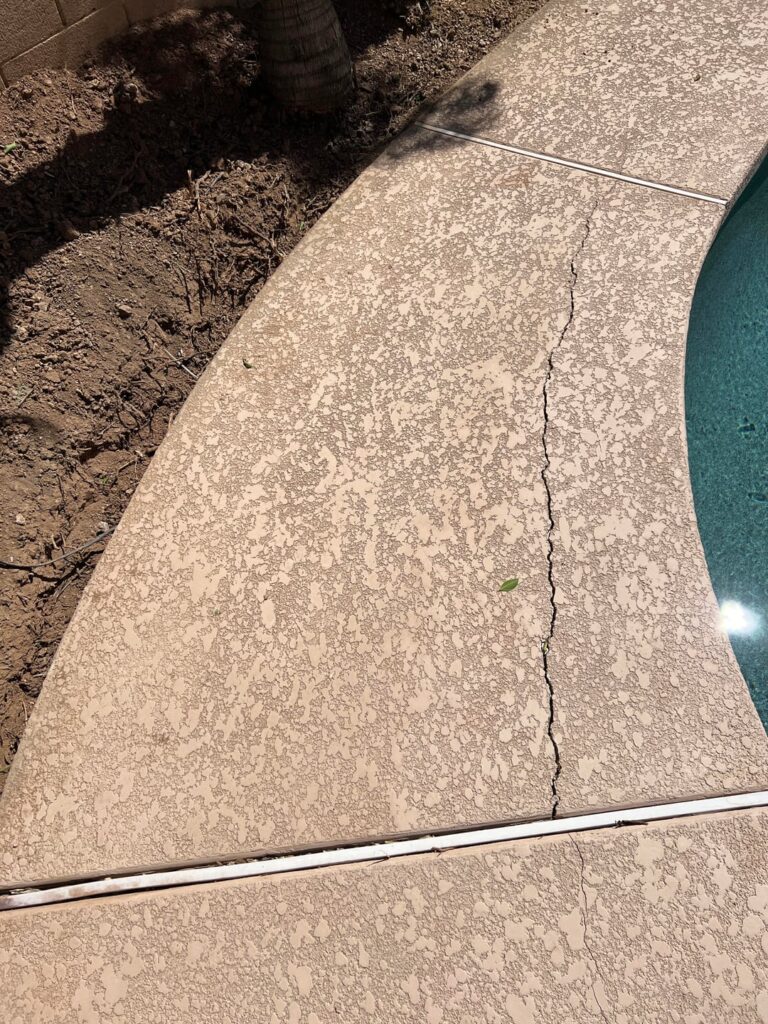
A crack in a concrete pool can be repaired with hydraulic cement or epoxy filler for surface cracks, epoxy injection for deeper cracks, and structural
