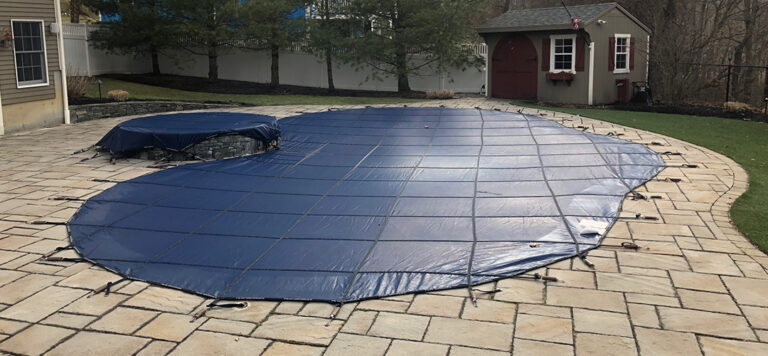
How to Winterize an Inground Pool Properly?
To winterize an inground pool properly, you need to clean the pool, balance the water chemistry, lower the water level, blow out the plumbing lines,

To winterize an inground pool properly, you need to clean the pool, balance the water chemistry, lower the water level, blow out the plumbing lines,
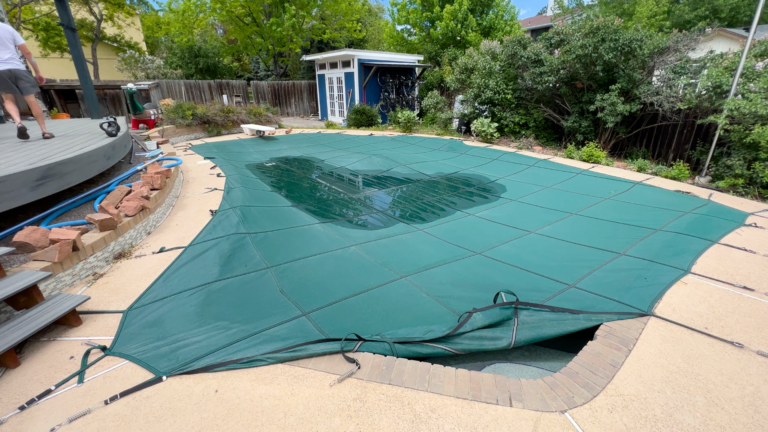
You open a pool for the first time by removing the winter cover, inspecting and reconnecting your equipment, filling the pool to the correct level,
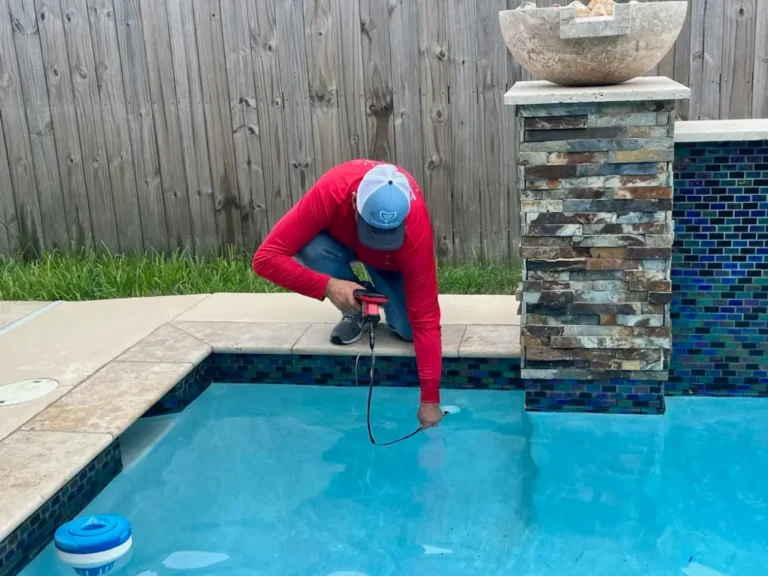
Yes, you can find a leak in your swimming pool by using two simple tests: the bucket test and the dye test. The bucket test
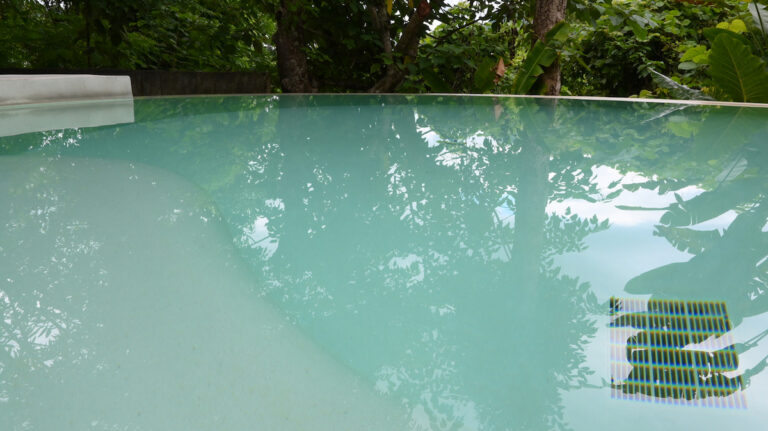
Yes, you can fix cloudy pool water quickly by testing your water chemistry, balancing pH and chlorine levels, running your filter for 24 hours, and
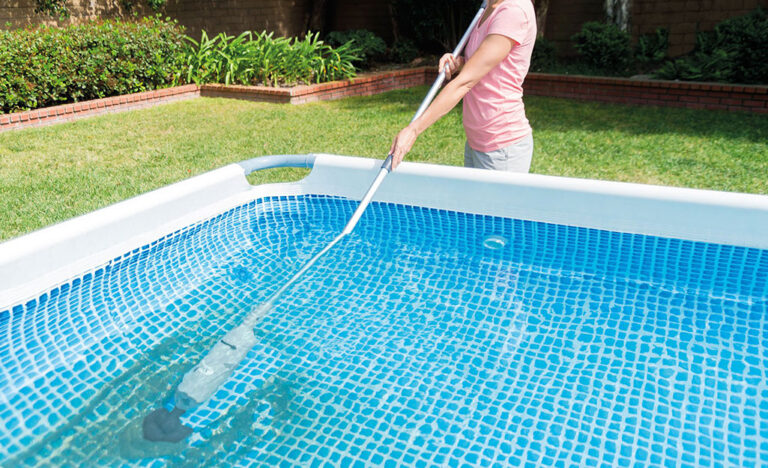
Yes, you can vacuum a pool without a skimmer by using a garden hose vacuum, a submersible pump, a siphon method, or a cordless robotic
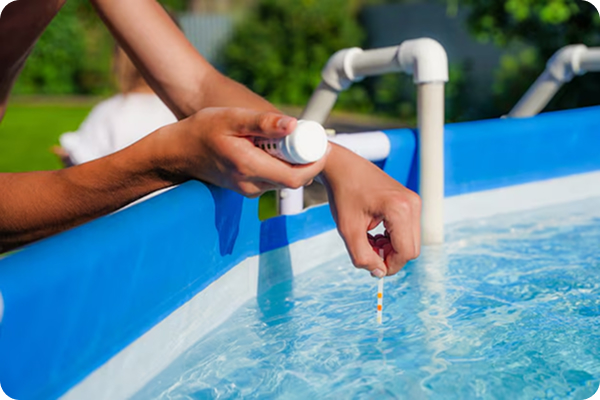
To raise pH in a pool safely, add soda ash (sodium carbonate) or baking soda (sodium bicarbonate) to the water while the pump is running.
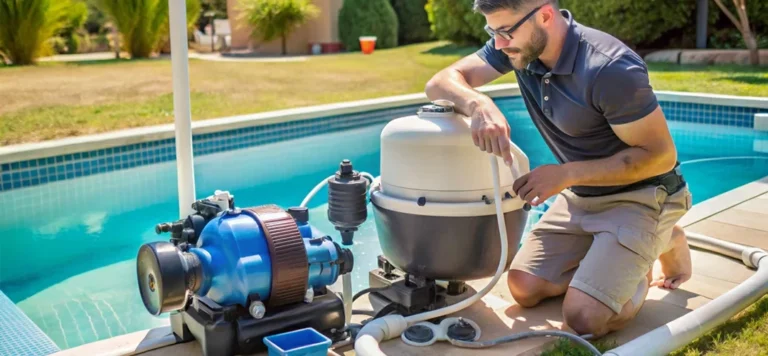
You should run a pool pump for about 8 hours per day during the summer to filter all the water in your pool at least
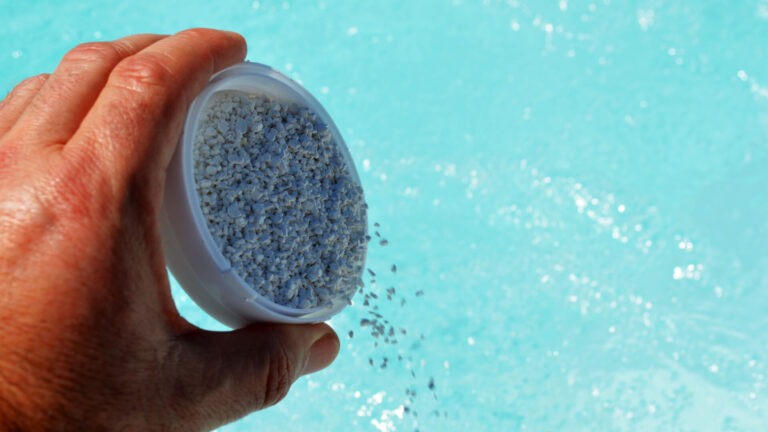
Shocking a pool means adding a large dose of chlorine or a non-chlorine oxidizer to the water to kill bacteria, destroy algae, and break down
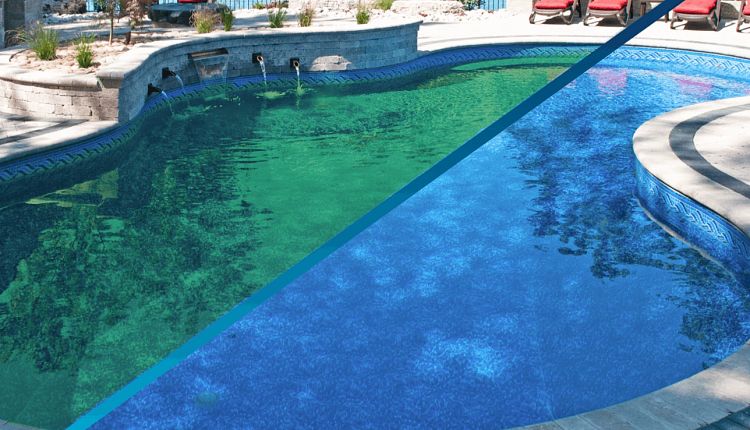
You get rid of algae in your pool by brushing the walls and floor, shocking the water with a high dose of chlorine, running the
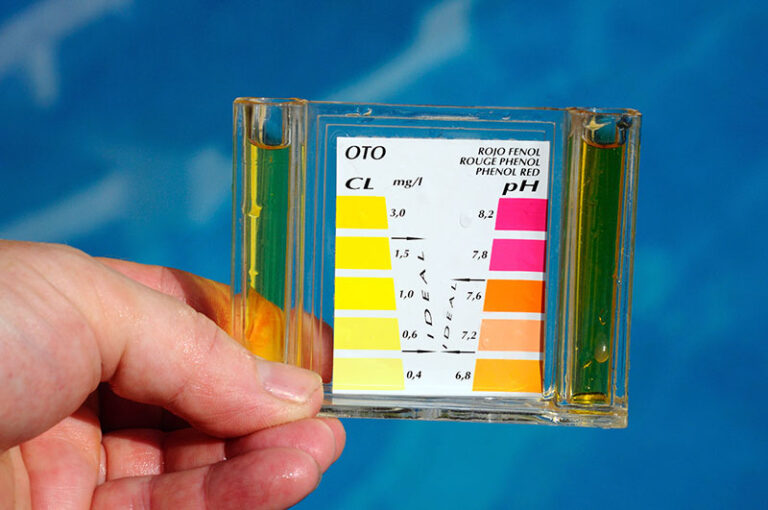
You lower pH in a pool by adding a pH decreaser, either muriatic acid or sodium bisulfate (dry acid), directly to the pool water. The
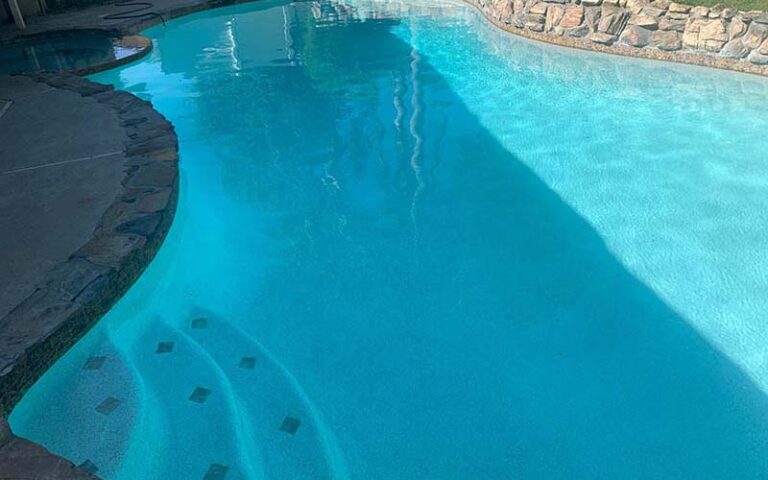
A saltwater pool and a chlorine pool both use chlorine to keep the water clean, but they do it in very different ways. A saltwater
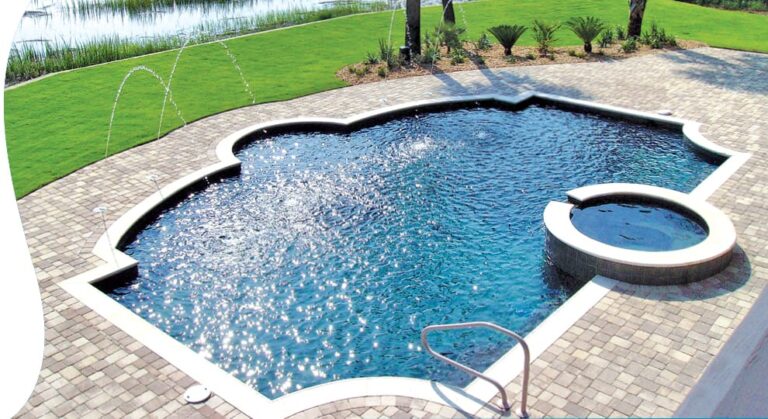
The cost to build a pool ranges from $35,000 to $120,000 for an inground pool, with most homeowners spending between $50,000 and $85,000 depending on
